





- sagi habasov
- •
- 8 Min Read
- •
- 1 hour ago
Key Points
- Global semiconductor stocks declined as renewed Middle East tensions pushed oil prices higher and increased concerns over inflation and economic uncertainty.
- Technology shares faced broader risk-off sentiment as investors reassessed exposure to high-growth sectors amid rising geopolitical risks.
- Energy markets became a key driver of global asset movements, with higher crude prices creating challenges for inflation-sensitive sectors and central bank policy expectations.
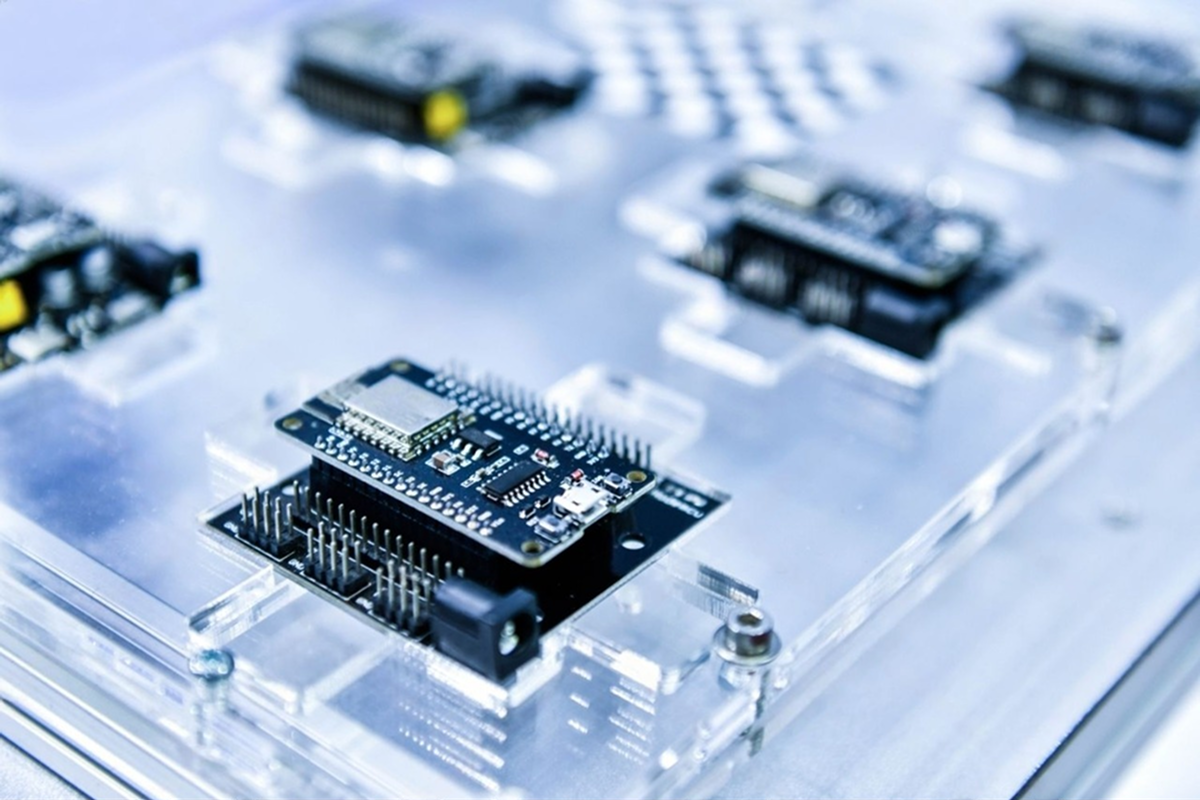
Global equity markets experienced renewed pressure as escalating Middle East tensions pushed oil prices higher and weighed on investor sentiment. According to Reuters, semiconductor stocks extended their decline as markets reacted to rising geopolitical uncertainty, stronger energy prices, and concerns that higher input costs could complicate the global economic outlook.
The latest market movement highlights the sensitivity of technology companies to changes in macroeconomic conditions. While artificial intelligence and semiconductor demand remain powerful long-term growth themes, investors have become increasingly focused on near-term risks, including inflation, interest rates, and geopolitical disruptions.
Semiconductor Sector Faces Risk-Off Pressure
Chip stocks came under renewed selling pressure as investors reduced exposure to technology shares following the increase in geopolitical risk. Semiconductor companies have been among the strongest performers in global equity markets due to demand for artificial intelligence infrastructure, advanced computing, and data center expansion.
However, technology valuations remain sensitive to shifts in interest rate expectations and broader risk appetite. Higher oil prices can contribute to inflationary pressures by increasing transportation and production costs, potentially limiting the ability of central banks to ease monetary policy.
The semiconductor industry is particularly exposed to global supply chains, with manufacturing networks spanning Asia, the United States, and Europe. Any disruption to energy markets, shipping routes, or geopolitical stability can influence investor expectations regarding production costs and demand conditions.
Major semiconductor companies, including producers of advanced chips and equipment suppliers, continue benefiting from long-term artificial intelligence investment trends. However, the latest market reaction demonstrates that even leading technology companies remain vulnerable to broader macroeconomic shocks.
Oil Prices Become a Major Market Driver
The rise in crude prices following renewed fighting in the Middle East created additional uncertainty across global markets. Energy prices remain a critical factor for investors because sustained increases can influence inflation, corporate margins, consumer spending, and monetary policy decisions.
Higher oil prices generally benefit energy producers and companies connected to the commodity sector, while creating challenges for industries with significant fuel exposure. Airlines, transportation companies, logistics providers, and some manufacturing businesses may face increased operating costs if energy prices remain elevated.
For equity markets, the impact has been reflected through sector rotation, with investors favoring defensive areas while reducing exposure to higher-growth segments such as technology. The shift highlights the continuing importance of energy markets as a major influence on global asset allocation decisions.
Global Investors Monitor Inflation and Policy Risks
The renewed market volatility comes as investors continue evaluating the future path of global monetary policy. Central banks have been closely monitoring inflation trends, and a sustained rise in energy prices could complicate expectations for future interest rate adjustments.
For technology companies, the challenge is balancing strong structural growth opportunities with short-term market pressures. Artificial intelligence remains a significant investment theme, but investors are increasingly demanding evidence of revenue growth, profitability, and efficient capital allocation.
For investors in Israel, developments in global semiconductor and energy markets remain particularly important. Israel’s technology sector has significant exposure to cybersecurity, semiconductor innovation, artificial intelligence, and global capital markets. Movements in U.S. technology shares and energy prices can influence investor sentiment toward Israeli technology companies and broader market valuations.
The latest market decline also reinforces the interconnected nature of global financial markets. A geopolitical event in one region can quickly influence commodities, currencies, equities, and interest rate expectations worldwide.
Outlook: Investors Await Clarity on Geopolitical and Economic Trends
Looking ahead, investors will closely monitor Middle East developments, oil price movements, inflation data, central bank communication, and semiconductor industry demand trends. The key question for markets will be whether the current pressure represents a temporary risk adjustment or the beginning of a broader shift in investor positioning. While artificial intelligence and semiconductor growth opportunities remain significant, global markets are likely to continue balancing long-term technology optimism with near-term geopolitical and macroeconomic risks throughout the second half of 2026.
Comparison, examination, and analysis between investment houses
Leave your details, and an expert from our team will get back to you as soon as possible
* This article, in whole or in part, does not contain any promise of investment returns, nor does it constitute professional advice to make investments in any particular field.
To read more about the full disclaimer, click here
- omer bar
- •
- 8 Min Read
- •
- ago 25 minutes
SKN | Apple Tests Chinese Memory Chips as Supply Chain Strategy Gains New Importance
Apple is reportedly testing memory chips produced by Chinese semiconductor manufacturer ChangXin Memory Technologies (CXMT) for devices intended for
- ago 25 minutes
- •
- 8 Min Read
Apple is reportedly testing memory chips produced by Chinese semiconductor manufacturer ChangXin Memory Technologies (CXMT) for devices intended for

- Lior mor
- •
- 7 Min Read
- •
- ago 49 minutes
SKN | Are Micron and Sandisk Still Worth Buying After Becoming 2026’s Hottest Tech Stocks?
Artificial intelligence has reshaped the semiconductor industry throughout 2026, and few companies have benefited more than memory chip manufacturers Micron
- ago 49 minutes
- •
- 7 Min Read
Artificial intelligence has reshaped the semiconductor industry throughout 2026, and few companies have benefited more than memory chip manufacturers Micron

- orshu
- •
- 7 Min Read
- •
- ago 1 hour
SKN | Rocket Lab Shares Slide as Investors Look to CEO Peter Beck for the Next Growth Catalyst
Rocket Lab USA (NASDAQ: RKLB) has experienced renewed selling pressure, raising questions about whether the recent decline reflects weakening
- ago 1 hour
- •
- 7 Min Read
Rocket Lab USA (NASDAQ: RKLB) has experienced renewed selling pressure, raising questions about whether the recent decline reflects weakening
- Lior mor
- •
- 8 Min Read
- •
- ago 3 hours
SKN | Palantir Share Sale Overshadows a Bigger Shift in the Artificial Intelligence Investment Landscape
The reported sale of Palantir Technologies shares by accounts associated with the Trump organization has attracted significant market attention,
- ago 3 hours
- •
- 8 Min Read

The reported sale of Palantir Technologies shares by accounts associated with the Trump organization has attracted significant market attention,


