





- orshu
- •
- 7 Min Read
- •
- 2 hours ago
Key Points
- Rocket Lab shares have come under pressure, prompting investors to reassess the company's long-term growth outlook despite continued expansion in the commercial space sector.
- CEO Peter Beck's execution strategy remains central to investor confidence as Rocket Lab advances its Neutron rocket program and expands its space systems business.
- The company's future valuation depends on successful launches, government contracts, and profitability rather than short-term share price volatility.
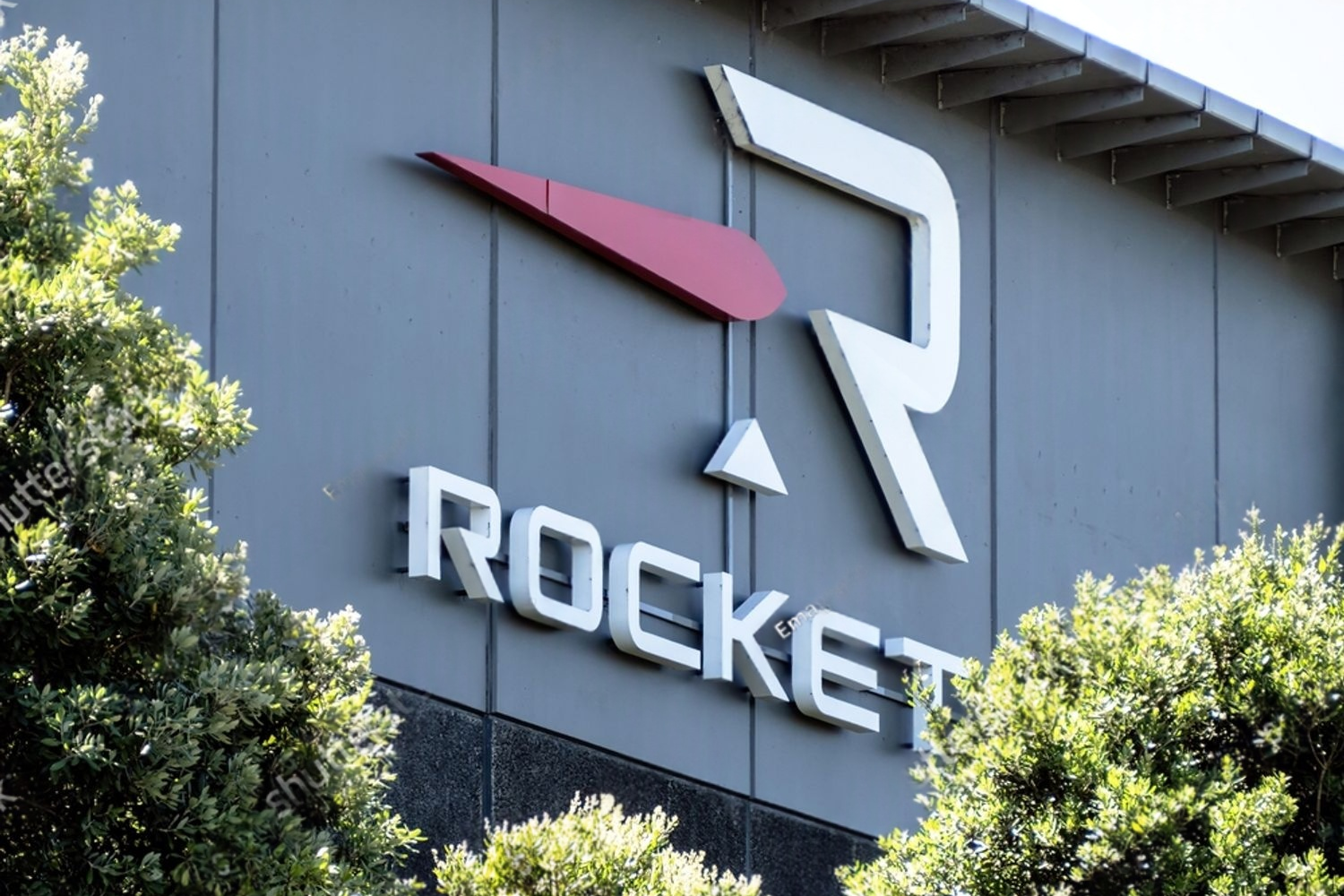
Rocket Lab USA (NASDAQ: RKLB) has experienced renewed selling pressure, raising questions about whether the recent decline reflects weakening fundamentals or simply a reset in investor expectations following an extended rally. While the stock’s performance has attracted attention across growth-focused portfolios, many market participants believe the company’s long-term investment case remains closely tied to the strategic vision and execution of its founder and Chief Executive Officer, Peter Beck.
The broader aerospace and defense sector continues benefiting from rising government spending, commercial satellite deployment, and increasing demand for launch services. However, investors have become increasingly selective, rewarding companies that demonstrate consistent execution while penalizing those facing delays, elevated capital expenditures, or uncertain timelines.
Rocket Lab’s Growth Strategy Extends Beyond Launch Services
Rocket Lab has steadily evolved from a small launch provider into a diversified space technology company. Alongside its Electron launch vehicle, the company has expanded into satellite manufacturing, spacecraft components, mission operations, and end-to-end space systems, creating multiple recurring revenue opportunities beyond rocket launches.
This diversification has helped reduce dependence on launch frequency alone while strengthening relationships with commercial customers, defense agencies, and government organizations. The strategy mirrors a broader industry trend in which space companies seek recurring service revenue rather than relying exclusively on launch contracts.
Management continues investing heavily in the development of the Neutron reusable medium-lift rocket, viewed as one of Rocket Lab’s most important long-term growth initiatives. Successful commercialization could significantly expand the company’s addressable market by enabling larger payloads and competing for higher-value government and commercial missions.
CEO Leadership Remains a Key Investment Factor
Investor attention has increasingly focused on CEO Peter Beck, whose leadership has shaped Rocket Lab’s transformation from a niche launch provider into an integrated aerospace company. His execution record has generally earned credibility within the industry, particularly through consistent Electron launch operations and strategic acquisitions that expanded the company’s capabilities.
Nevertheless, developing next-generation launch systems requires significant capital investment, engineering resources, and operational discipline. As a result, investors are closely monitoring whether management can deliver Neutron according to schedule while maintaining healthy liquidity and controlling development costs.
The recent share-price weakness highlights the market’s growing emphasis on execution rather than long-term potential alone. Delays in major programs, changing customer demand, or rising development expenses could continue influencing investor sentiment until new milestones are achieved.
Space Industry Fundamentals Continue to Strengthen
Despite near-term volatility, structural growth drivers across the global space industry remain intact. Governments continue increasing defense and national security spending, while commercial demand for satellite communications, Earth observation, broadband connectivity, and space infrastructure continues expanding.
Rocket Lab also benefits from growing demand for integrated space solutions, an area where satellite manufacturing, spacecraft components, and mission services can generate recurring revenue alongside launch operations. This diversification differentiates the company from launch-only competitors and may help moderate earnings volatility over time.
For global investors, including institutions in Israel, Rocket Lab’s progress reflects broader trends shaping the aerospace sector. Israel maintains a highly advanced defense and satellite technology ecosystem, and continued investment in commercial space infrastructure may create additional collaboration opportunities across launch services, satellite systems, cybersecurity, and advanced aerospace engineering.
Looking ahead, investors will closely monitor Neutron development milestones, Electron launch cadence, government contract awards, commercial satellite demand, revenue growth, and cash flow trends. Particular attention will also focus on management’s execution against development timelines and capital allocation priorities. While Rocket Lab’s recent share-price decline has renewed debate over valuation, the company’s long-term trajectory is likely to depend less on short-term market sentiment and more on its ability to consistently execute its strategic roadmap in an increasingly competitive global space industry.
Comparison, examination, and analysis between investment houses
Leave your details, and an expert from our team will get back to you as soon as possible
* This article, in whole or in part, does not contain any promise of investment returns, nor does it constitute professional advice to make investments in any particular field.
To read more about the full disclaimer, click here
- omer bar
- •
- 8 Min Read
- •
- ago 27 minutes
SKN | Apple Tests Chinese Memory Chips as Supply Chain Strategy Gains New Importance
Apple is reportedly testing memory chips produced by Chinese semiconductor manufacturer ChangXin Memory Technologies (CXMT) for devices intended for
- ago 27 minutes
- •
- 8 Min Read
Apple is reportedly testing memory chips produced by Chinese semiconductor manufacturer ChangXin Memory Technologies (CXMT) for devices intended for

- Lior mor
- •
- 7 Min Read
- •
- ago 52 minutes
SKN | Are Micron and Sandisk Still Worth Buying After Becoming 2026’s Hottest Tech Stocks?
Artificial intelligence has reshaped the semiconductor industry throughout 2026, and few companies have benefited more than memory chip manufacturers Micron
- ago 52 minutes
- •
- 7 Min Read
Artificial intelligence has reshaped the semiconductor industry throughout 2026, and few companies have benefited more than memory chip manufacturers Micron

- sagi habasov
- •
- 8 Min Read
- •
- ago 1 hour
SKN | Chip Stocks Face Renewed Pressure as Middle East Conflict Sends Oil Prices Higher
Global equity markets experienced renewed pressure as escalating Middle East tensions pushed oil prices higher and weighed on investor
- ago 1 hour
- •
- 8 Min Read
Global equity markets experienced renewed pressure as escalating Middle East tensions pushed oil prices higher and weighed on investor
- Lior mor
- •
- 8 Min Read
- •
- ago 3 hours
SKN | Palantir Share Sale Overshadows a Bigger Shift in the Artificial Intelligence Investment Landscape
The reported sale of Palantir Technologies shares by accounts associated with the Trump organization has attracted significant market attention,
- ago 3 hours
- •
- 8 Min Read

The reported sale of Palantir Technologies shares by accounts associated with the Trump organization has attracted significant market attention,


