





- Ronny Mor
- •
- 8 Min Read
- •
- 10 hours ago
Key Points
- Gold prices remained supported as investors sought protection from geopolitical uncertainty and awaited signals from the U.S. Federal Reserve.
- Renewed U.S.-Iran tensions boosted demand for safe-haven assets, while higher oil prices influenced inflation expectations and monetary policy outlooks.
- Federal Reserve meeting minutes became a key market focus as investors looked for clues regarding future interest rate decisions.
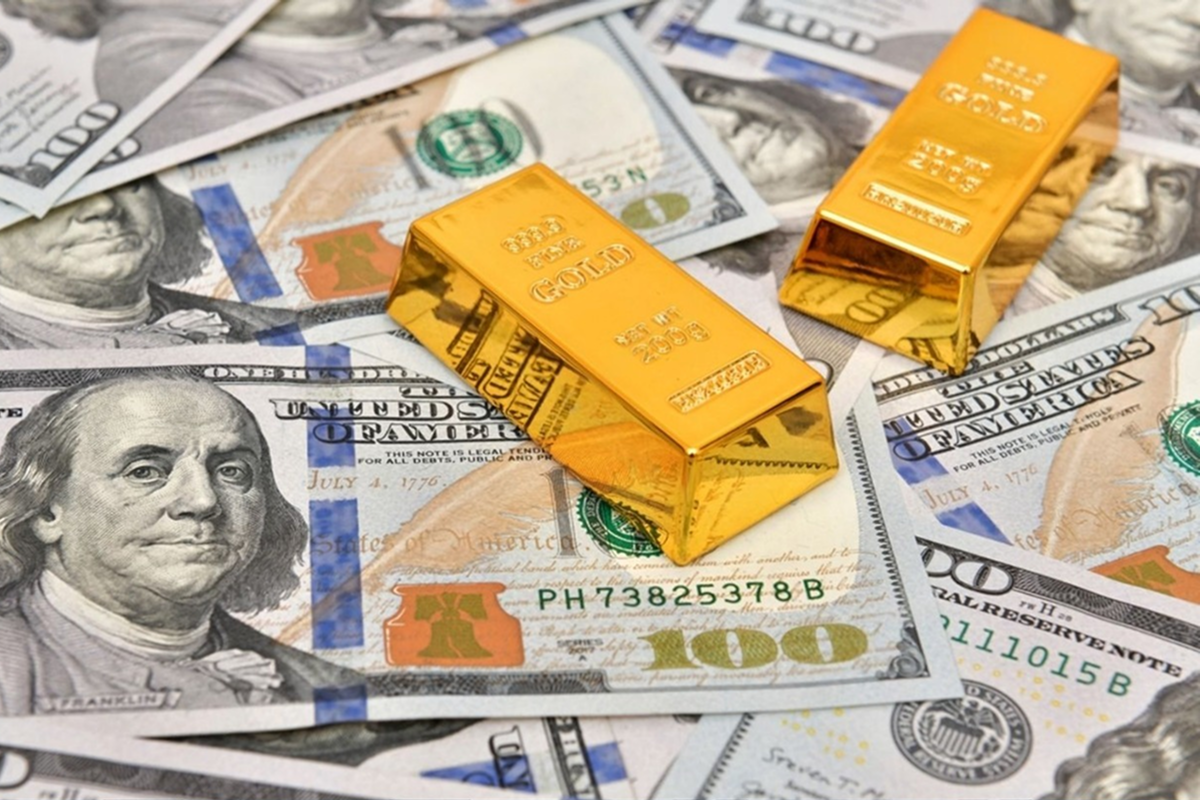
Gold markets remained resilient as investors balanced renewed geopolitical risks with expectations surrounding future U.S. monetary policy. According to Reuters, gold prices gained support from uncertainty surrounding renewed U.S.-Iran military tensions, although expectations of higher interest rates limited the pace of the advance.
The precious metal continues to attract attention as a traditional safe-haven asset during periods of geopolitical instability. However, the direction of gold prices remains closely tied to Federal Reserve policy expectations, U.S. dollar movements, and broader inflation trends that influence investor demand.
Geopolitical Uncertainty Supports Gold Demand
Renewed tensions between the United States and Iran provided support for gold prices as investors reassessed geopolitical risks in the Middle East. Escalating military activity increased demand for defensive assets, with gold benefiting from its historical role as a store of value during periods of uncertainty.
The latest developments also influenced energy markets, with oil prices rising as traders considered potential disruptions to regional supply chains. Higher energy prices can increase inflation concerns, creating additional complexity for central banks attempting to balance economic growth with price stability.
For investors, the relationship between geopolitical risk and gold remains a central market theme. While gold often performs well during periods of uncertainty, the strength and duration of the move typically depend on whether risks translate into broader economic disruption or remain contained.
Federal Reserve Policy Remains the Primary Market Driver
Despite support from geopolitical concerns, gold’s gains have remained limited as investors await the release of the Federal Reserve meeting minutes. The document is expected to provide additional insight into policymakers’ views on inflation, economic conditions, and the future path of interest rates.
Higher interest rates generally create pressure on gold because the metal does not generate income, making interest-bearing assets more attractive when yields rise. Conversely, expectations of future rate cuts can increase demand for gold by reducing the opportunity cost of holding non-yielding assets.
Market participants are therefore closely monitoring U.S. economic indicators, including inflation data, employment figures, and consumer spending trends, to assess whether monetary policy could become more supportive for precious metals later in the year.
The U.S. dollar also remains an important factor. A stronger dollar can make gold more expensive for international buyers, potentially limiting demand, while a weaker dollar typically provides additional support for commodity prices.
Gold’s Role in a Changing Global Investment Environment
The latest movement in gold reflects a broader shift in investor priorities as markets navigate geopolitical uncertainty, changing monetary policy expectations, and elevated volatility across asset classes.
Central banks globally have continued increasing their gold reserves in recent years, reinforcing the metal’s importance within official portfolios. Demand from institutional investors, sovereign buyers, and private investors has contributed to gold’s long-term appeal as a diversification tool.
For investors in Israel, gold remains particularly relevant given the country’s exposure to regional geopolitical developments and global financial markets. Changes in gold prices, currency movements, and energy markets can influence portfolio allocation decisions, especially during periods of increased uncertainty.
The relationship between gold and other asset classes also remains significant. Higher gold prices can reflect broader concerns about inflation, currency stability, or geopolitical risk, while equity and bond markets respond to the same underlying economic forces.
Outlook: Markets Watch Fed Signals and Geopolitical Developments
Looking ahead, investors will closely monitor Federal Reserve policy signals, U.S.-Iran developments, oil price movements, inflation data, and U.S. dollar trends for further direction in gold markets. A sustained escalation in geopolitical tensions could strengthen demand for safe-haven assets, while clearer indications of higher-for-longer interest rates may limit upside momentum. For global and Israeli investors, gold remains a key market indicator as participants balance the competing forces of monetary policy, inflation expectations, and geopolitical uncertainty throughout the second half of 2026.
Comparison, examination, and analysis between investment houses
Leave your details, and an expert from our team will get back to you as soon as possible
* This article, in whole or in part, does not contain any promise of investment returns, nor does it constitute professional advice to make investments in any particular field.
To read more about the full disclaimer, click here
- omer bar
- •
- 8 Min Read
- •
- ago 3 hours
SKN | Will Resurgent Geopolitical Risk Force the Fed to Recalibrate Its Path?
The relative calm that had characterized global bond markets in recent weeks evaporated on Wednesday morning, as geopolitical friction returned
- ago 3 hours
- •
- 8 Min Read

The relative calm that had characterized global bond markets in recent weeks evaporated on Wednesday morning, as geopolitical friction returned

- sagi habasov
- •
- 8 Min Read
- •
- ago 14 hours
SKN | Oil Prices Jump as U.S. Strikes on Iran Reignite Supply Fears Across Global Energy Markets
Global oil markets turned sharply higher after the United States launched military strikes against Iran, escalating tensions in the
- ago 14 hours
- •
- 8 Min Read
Global oil markets turned sharply higher after the United States launched military strikes against Iran, escalating tensions in the
- omer bar
- •
- 6 Min Read
- •
- ago 17 hours
SKN | Did Geopolitical Tensions Trigger a $440 Billion Precious Metals Selloff?
Gold and silver experienced a sudden and aggressive decline during a 30-minute trading window, highlighting how quickly sentiment can shift
- ago 17 hours
- •
- 6 Min Read

Gold and silver experienced a sudden and aggressive decline during a 30-minute trading window, highlighting how quickly sentiment can shift

- Arik Arkadi Sluzki
- •
- 6 Min Read
- •
- ago 1 day
SKN | Oil Returns to Pre-War Levels: How Global Markets Absorbed a Historic Supply Shock
The global oil market has moved from a period of extreme uncertainty back toward relative stability, with crude prices
- ago 1 day
- •
- 6 Min Read

The global oil market has moved from a period of extreme uncertainty back toward relative stability, with crude prices


