


- sagi habasov
- •
- 6 Min Read
- •
- 6 seconds ago
Key Points
- Oil markets turned volatile as escalating tensions between the United States and Iran raised concerns over potential supply disruptions.
- Investors are closely monitoring whether geopolitical friction in the Middle East could undermine ongoing ceasefire discussions and regional stability.
- Energy market uncertainty is adding pressure to inflation expectations and global risk sentiment, including in European and Israeli financial markets.

Global oil markets experienced heightened volatility as renewed friction between the United States and Iran injected fresh uncertainty into ceasefire negotiations across the Middle East. Traders weighed the risk of supply disruptions against broader concerns that prolonged geopolitical instability could ripple through inflation, shipping routes, and energy-sensitive sectors worldwide.
The renewed turbulence comes at a delicate moment for global markets, with investors already navigating elevated commodity price swings, cautious central bank policy expectations, and fragile geopolitical conditions. For Israeli investors, the developments carry particular significance given the region’s direct exposure to Middle East security dynamics and energy-market sentiment.
Energy Markets React to Escalating Geopolitical Risk
Oil prices moved sharply in both directions during trading sessions as headlines surrounding US-Iran tensions continued to shift market expectations. Traders focused on the possibility that any further escalation could affect crude exports, regional shipping lanes, or broader energy infrastructure across the Gulf.
The market reaction reflected a classic geopolitical risk premium, where uncertainty rather than confirmed supply losses drives price action. Analysts noted that even without immediate physical disruptions, heightened tensions alone can increase volatility across commodities, currencies, and global equity markets.
Ceasefire Uncertainty Adds Pressure to Global Inflation Outlook
The prospect of prolonged instability has also intensified concerns surrounding inflation, particularly in energy-importing economies. Rising oil prices can feed directly into transportation, manufacturing, and consumer fuel costs, potentially complicating the policy outlook for central banks already balancing slowing growth against persistent price pressures.
European markets remain especially sensitive to energy-related shocks following previous supply disruptions tied to geopolitical conflicts. Israeli financial markets are also likely to monitor the situation closely, particularly sectors linked to energy, defense, transportation, and industrial activity.
Investors Shift Toward Defensive Positioning
The volatility in crude markets contributed to a more cautious tone across broader financial assets, with investors reassessing exposure to risk-sensitive sectors. Energy producers and commodity-linked assets generally benefited from higher price expectations, while transportation and consumer-focused industries faced renewed cost concerns.
Currency markets and bond yields may also remain reactive as traders attempt to gauge whether the geopolitical developments represent a temporary shock or the beginning of a more sustained period of instability in the region.
Looking ahead, markets are expected to remain highly sensitive to diplomatic developments, military signals, and any indication of supply-chain disruptions tied to the Middle East conflict. Investors will closely monitor whether ceasefire negotiations regain momentum or whether escalating rhetoric between Washington and Tehran triggers a broader energy-market repricing. For global and Israeli markets alike, oil volatility is likely to remain a central driver of sentiment in the near term.
Comparison, examination, and analysis between investment houses
Leave your details, and an expert from our team will get back to you as soon as possible
* This article, in whole or in part, does not contain any promise of investment returns, nor does it constitute professional advice to make investments in any particular field.
To read more about the full disclaimer, click here
- omer bar
- •
- 8 Min Read
- •
- ago 2 hours
SKN | Oil Rebounds as New Iran Strikes Complicate Hopes for Strait of Hormuz Deal
Oil prices moved sharply higher on Tuesday after fresh U.S. military strikes in Iran reignited concerns over the stability of
- ago 2 hours
- •
- 8 Min Read

Oil prices moved sharply higher on Tuesday after fresh U.S. military strikes in Iran reignited concerns over the stability of

- sagi habasov
- •
- 7 Min Read
- •
- ago 2 hours
SKN | Brent Crude Jumps as U.S. Strikes on Iran Deepen Uncertainty Around Hormuz Peace Deal
Global oil markets returned to volatility on Tuesday after fresh U.S. military strikes inside Iran renewed concerns that a long-awaited
- ago 2 hours
- •
- 7 Min Read

Global oil markets returned to volatility on Tuesday after fresh U.S. military strikes inside Iran renewed concerns that a long-awaited

- Arik Arkadi Sluzki
- •
- 6 Min Read
- •
- ago 1 week
SKN | Iran and the “Hormuz Safe” Platform: How Sovereign-Level Crypto Infrastructure Alters Maritime Risk Pricing
Geopolitical Friction and Infrastructure Transition The deployment of the "Hormuz Safe" platform by Iran introduces a decentralized mechanism into global
- ago 1 week
- •
- 6 Min Read

Geopolitical Friction and Infrastructure Transition The deployment of the "Hormuz Safe" platform by Iran introduces a decentralized mechanism into global

- Ronny Mor
- •
- 7 Min Read
- •
- ago 2 weeks
SKN | Oil Prices Climb as Middle East Tensions Intensify and Hormuz Closure Deepens Supply Concerns
Oil Extends Rally Amid Rising Geopolitical Risks Global oil prices moved sharply higher on Tuesday as investors reacted to renewed
- ago 2 weeks
- •
- 7 Min Read
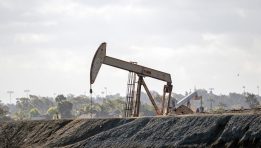
Oil Extends Rally Amid Rising Geopolitical Risks Global oil prices moved sharply higher on Tuesday as investors reacted to renewed


