


- Arik Arkadi Sluzki
- •
- 6 Min Read
- •
- 12 seconds ago
Key Points
- Iran's Bitcoin-settled maritime insurance system establishes an unprecedented sovereign financial infrastructure during geopolitical conflicts.
- Bypassing fiat-pegged stablecoins removes centralized third-party control and restructures international trade settlements.
- State-backed decentralized insurance shifts regulatory pressure from traditional banking to un-hostable wallet networks.
Geopolitical Friction and Infrastructure Transition
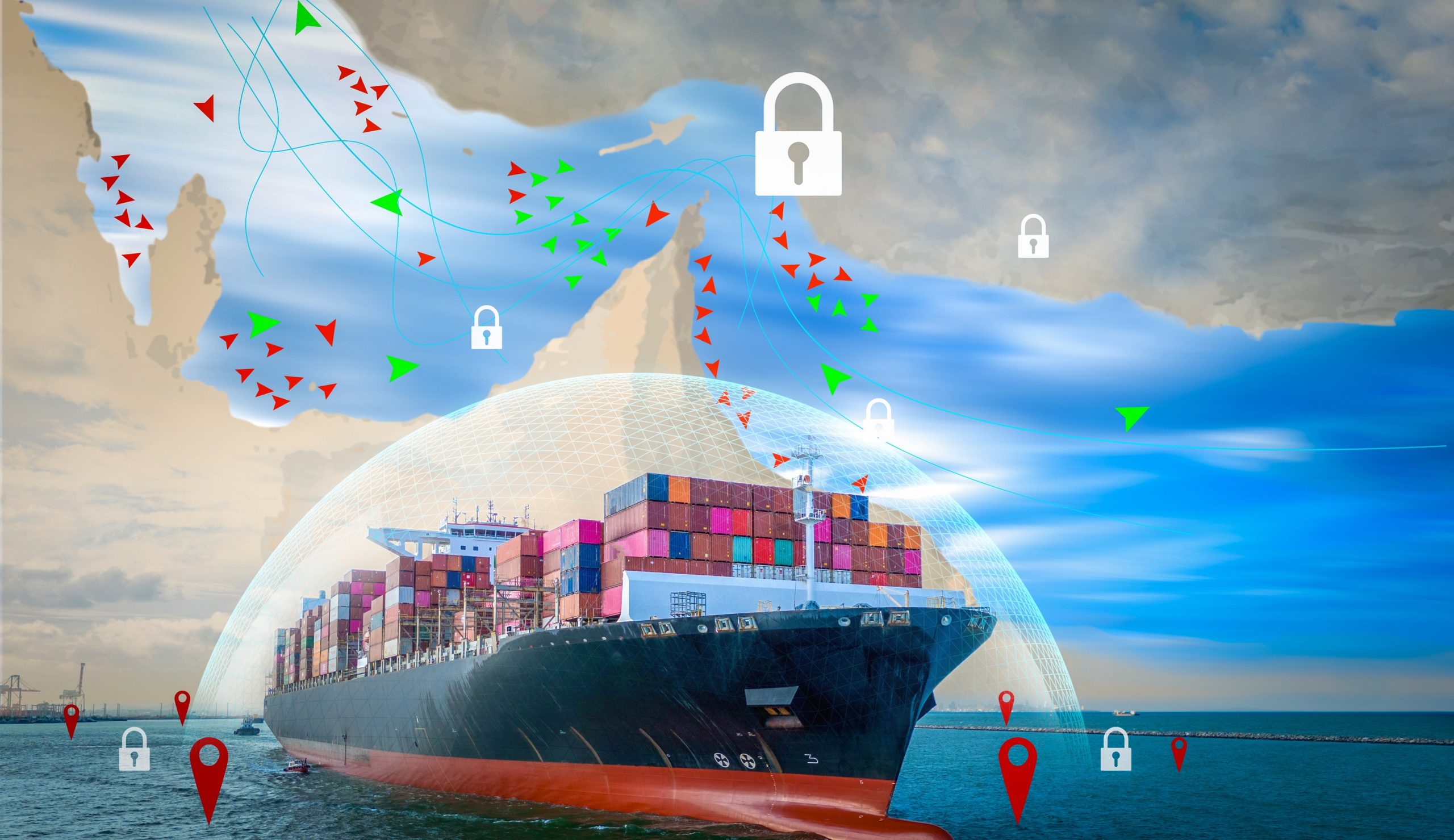
The deployment of the “Hormuz Safe” platform by Iran introduces a decentralized mechanism into global trade logistics by using Bitcoin for maritime risk management. Bypassing centralized networks after the U.S. seizure of $344 million in USDT stablecoins, this initiative establishes an isolated financial loop. The framework is engineered specifically to manage transit risk across the Strait of Hormuz, which controls nearly 20% of global petroleum distribution.
Counterparty Elimination and Capital Flow Mechanics
Unlike conventional maritime insurance schemes underwritten by global syndicates such as Lloyd’s of London, Hormuz Safe shifts liability issuance to a cryptographically verifiable network. Shipping operators transiting the Persian Gulf are required to submit insurance premiums in native Bitcoin, receiving encrypted digital verification and automated liability certificates upon on-chain transaction confirmation. This model fundamentally alters traditional capital flows by substituting bank-mediated clearing houses with immutable blockchain smart contracts. The structural divergence here is absolute; by eliminating tokenized dollars like USDT, which carry centralized freeze functions managed by issuers like Tether, the sovereign entity insulates its cross-border revenue streams from foreign asset forfeitures and traditional banking blockades.
Risk Premium Calibration and Shipping Incentives
The financial implications of this model extend deeply into global supply chain economics and corporate risk premium calculations. State media projections estimate that the mandatory Bitcoin-settled insurance program could generate up to $10 billion in annual sovereign revenue. However, for international logistics firms, this mechanism creates a severe operational dilemma. Standard maritime insurance contracts typically feature exclusion clauses regarding sanctioned state entities. By enforcing a state-backed, crypto-exclusive insurance mandate, the platform forces commercial shipping lines to choose between absorbing un-hedged operational risks or engaging directly with decentralized protocols that complicate their compliance frameworks with Western regulators.
The Feedback Loop of Volatility and Energy Valuation
The integration of a highly volatile digital asset into the underwriting process introduces secondary structural risks to the pricing of maritime freight. Because Bitcoin lacks a stable fiat peg, the cost-per-transit for cargo owners will fluctuate heavily based on the asset’s real-time spot price, decoupling insurance overhead from actual physical transit risks. This dynamic injects an entirely new layer of volatility into energy markets, as the underlying cost of transporting crude oil through the world’s most critical maritime bottleneck becomes structurally tied to the intraday price action of the digital asset market.
From Regulatory Arbitrage to Sovereign Autonomy
Global regulatory frameworks will inevitably adapt to monitor this shift toward un-sanctionable sovereign ledger utilization. Market participants must monitor the compliance responses of non-Western shipping conglomerates operating outside the U.S. legal perimeter. This platform will serve as an unalterable benchmark for how highly sanctioned states exploit decentralized asset structures to neutralize traditional economic leverage.
Comparison, examination, and analysis between investment houses
Leave your details, and an expert from our team will get back to you as soon as possible
* This article, in whole or in part, does not contain any promise of investment returns, nor does it constitute professional advice to make investments in any particular field.
To read more about the full disclaimer, click here
- Ronny Mor
- •
- 7 Min Read
- •
- ago 6 days
SKN | Oil Prices Climb as Middle East Tensions Intensify and Hormuz Closure Deepens Supply Concerns
Oil Extends Rally Amid Rising Geopolitical Risks Global oil prices moved sharply higher on Tuesday as investors reacted to renewed
- ago 6 days
- •
- 7 Min Read
Oil Extends Rally Amid Rising Geopolitical Risks Global oil prices moved sharply higher on Tuesday as investors reacted to renewed

- Lior mor
- •
- 7 Min Read
- •
- ago 2 weeks
SKN | Oil Prices Swing Lower as US and Iran Weigh Hormuz Reopening Deal
Oil Extends Volatile Pullback Oil prices moved sharply lower on Thursday as traders reacted to growing diplomatic momentum between the
- ago 2 weeks
- •
- 7 Min Read
Oil Extends Volatile Pullback Oil prices moved sharply lower on Thursday as traders reacted to growing diplomatic momentum between the

- sagi habasov
- •
- 5 Min Read
- •
- ago 2 months
SKN | US Crude Inventories Surge as Fuel Stock Draw Signals Strong Demand
U.S. crude oil inventories posted a significant increase for the week ending March 13, rising by 6.16 million barrels to
- ago 2 months
- •
- 5 Min Read

U.S. crude oil inventories posted a significant increase for the week ending March 13, rising by 6.16 million barrels to
- Ronny Mor
- •
- 6 Min Read
- •
- ago 2 months
SKN | Could Oil Surge Beyond $100? Crude Climbs Past $86 as Middle East Tensions Disrupt Global Supply
Oil Rally Reflects Rising Geopolitical Risk Premium Crude oil markets surged sharply this week as geopolitical tensions intensified across the
- ago 2 months
- •
- 6 Min Read

Oil Rally Reflects Rising Geopolitical Risk Premium Crude oil markets surged sharply this week as geopolitical tensions intensified across the

