


- sagi habasov
- •
- 7 Min Read
- •
- 39 seconds ago
Key Points
- Brent crude climbed more than 2% after renewed U.S. military strikes on Iran intensified geopolitical uncertainty.
- Markets remain highly focused on negotiations surrounding the reopening of the Strait of Hormuz.
- Oil traders continue balancing hopes for a peace agreement against risks of another breakdown in diplomacy.

Global oil markets returned to volatility on Tuesday after fresh U.S. military strikes inside Iran renewed concerns that a long-awaited agreement to reopen the Strait of Hormuz may still be vulnerable to collapse. Brent crude rebounded sharply after suffering one of its steepest single-session declines of the year, highlighting how sensitive energy markets remain to every geopolitical headline emerging from the Middle East conflict.
Military Escalation Revives Energy Market Anxiety
Brent crude futures rose more than 2.5% to approximately $98.50 per barrel during early European trading after the United States carried out what Washington described as defensive strikes in southern Iran. The rebound followed a dramatic 7% decline in Brent prices during the previous session, when investors initially grew optimistic that negotiations between Washington and Tehran could soon deliver a breakthrough.
U.S. West Texas Intermediate crude traded near $91.95 per barrel, though the spread between Brent and WTI widened as geopolitical risks remained concentrated around Middle Eastern export routes. Analysts noted that Brent prices remain more directly exposed to disruptions involving the Strait of Hormuz, through which roughly one-fifth of global oil and liquefied natural gas flows normally pass.
The latest escalation came as Iran’s top negotiator and foreign minister held discussions in Doha with Qatar’s prime minister regarding a potential framework agreement with the United States. Although both sides acknowledged progress toward a temporary memorandum designed to halt the conflict and extend negotiations for 60 days, markets reacted cautiously after U.S. Secretary of State Marco Rubio warned that finalizing a deal could still “take a few days.”
Hormuz Reopening Remains Central to Global Oil Outlook
The Strait of Hormuz remains the single most important variable for global energy markets. Since the conflict began, Iran has effectively halted most non-Iranian commercial shipping through the region, disrupting oil exports and contributing to one of the largest supply shocks in recent years.
According to reports cited by Nikkei, a potential agreement may include Iran clearing naval mines from the strait within a 30-day period while restoring safe passage for international shipping. Tehran would also reportedly end transit fee collections imposed during the conflict.
These developments have encouraged some traders to position for a normalization in oil flows. Recent ship-tracking data already showed several liquefied natural gas tankers successfully moving through the region toward China, Pakistan, and India, alongside a supertanker carrying Iraqi crude that had remained stranded for nearly three months.
Still, market participants remain deeply skeptical that the conflict has truly entered its final stages. Investors remember multiple previous negotiation attempts that ultimately failed, often triggering sharp rebounds in energy prices after periods of temporary optimism.
Markets Brace for Continued Volatility and Inflation Pressure
The renewed surge in crude prices adds further pressure to already fragile global inflation expectations. Central banks across Europe and North America are closely monitoring energy markets, particularly as elevated oil prices threaten to prolong inflationary pressures across transportation, manufacturing, and consumer goods sectors.
Investor psychology remains highly reactive, with markets rapidly alternating between optimism surrounding diplomacy and fear of further escalation. Analysts warn that even if a preliminary agreement is reached, restoring full energy infrastructure capacity and commercial shipping volumes could take months.
Going forward, oil traders will likely remain focused on diplomatic developments in Doha, military activity across the region, and official statements from Washington and Tehran. Any indication that negotiations are deteriorating again could quickly reverse recent price declines and intensify broader inflation concerns across global financial markets.
Comparison, examination, and analysis between investment houses
Leave your details, and an expert from our team will get back to you as soon as possible
* This article, in whole or in part, does not contain any promise of investment returns, nor does it constitute professional advice to make investments in any particular field.
To read more about the full disclaimer, click here
- Arik Arkadi Sluzki
- •
- 6 Min Read
- •
- ago 1 week
SKN | Iran and the “Hormuz Safe” Platform: How Sovereign-Level Crypto Infrastructure Alters Maritime Risk Pricing
Geopolitical Friction and Infrastructure Transition The deployment of the "Hormuz Safe" platform by Iran introduces a decentralized mechanism into global
- ago 1 week
- •
- 6 Min Read

Geopolitical Friction and Infrastructure Transition The deployment of the "Hormuz Safe" platform by Iran introduces a decentralized mechanism into global

- Ronny Mor
- •
- 7 Min Read
- •
- ago 2 weeks
SKN | Oil Prices Climb as Middle East Tensions Intensify and Hormuz Closure Deepens Supply Concerns
Oil Extends Rally Amid Rising Geopolitical Risks Global oil prices moved sharply higher on Tuesday as investors reacted to renewed
- ago 2 weeks
- •
- 7 Min Read
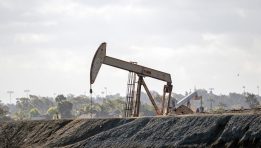
Oil Extends Rally Amid Rising Geopolitical Risks Global oil prices moved sharply higher on Tuesday as investors reacted to renewed

- Lior mor
- •
- 7 Min Read
- •
- ago 3 weeks
SKN | Oil Prices Swing Lower as US and Iran Weigh Hormuz Reopening Deal
Oil Extends Volatile Pullback Oil prices moved sharply lower on Thursday as traders reacted to growing diplomatic momentum between the
- ago 3 weeks
- •
- 7 Min Read
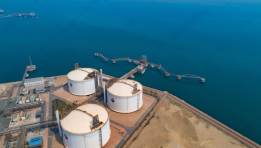
Oil Extends Volatile Pullback Oil prices moved sharply lower on Thursday as traders reacted to growing diplomatic momentum between the

- sagi habasov
- •
- 5 Min Read
- •
- ago 2 months
SKN | US Crude Inventories Surge as Fuel Stock Draw Signals Strong Demand
U.S. crude oil inventories posted a significant increase for the week ending March 13, rising by 6.16 million barrels to
- ago 2 months
- •
- 5 Min Read

U.S. crude oil inventories posted a significant increase for the week ending March 13, rising by 6.16 million barrels to


