


- Lior mor
- •
- 9 Min Read
- •
- 14 seconds ago
Key Points
- The Trump administration announced a $1.8 billion compensation fund tied to claims involving alleged politically motivated IRS enforcement actions.
- The initiative is expected to settle ongoing legal disputes while intensifying debate surrounding government accountability and regulatory oversight.
- Financial and political analysts are closely monitoring the fiscal, legal, and institutional implications of the unprecedented settlement structure.
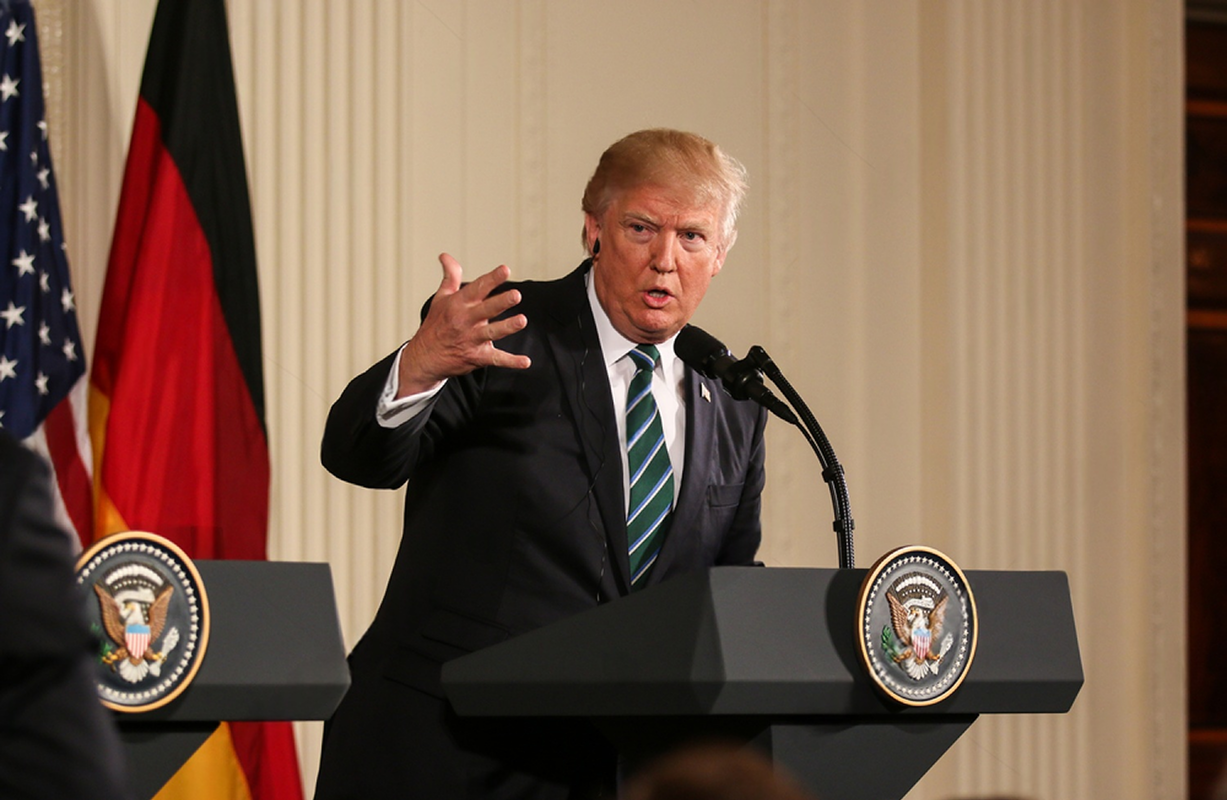
The Trump administration introduced a $1.8 billion fund intended to compensate individuals and entities claiming they were harmed by what officials described as politically motivated legal and tax enforcement actions. The initiative, which has been characterized as a “lawfare victims fund,” is reportedly linked to efforts to resolve ongoing litigation involving the Internal Revenue Service (IRS) and allegations of selective targeting.
The move immediately attracted attention across political, legal, and financial circles due to both the scale of the fund and its potential implications for government accountability, fiscal policy, and institutional trust. Market participants are also evaluating whether the development could influence regulatory expectations and broader political risk perceptions ahead of future elections.
Settlement Fund Signals Major Legal and Political Development
The proposed $1.8 billion compensation structure represents one of the largest government-backed legal settlement initiatives connected to alleged regulatory misconduct in recent years. According to reports surrounding the matter, the fund is intended to resolve lawsuits involving claims that individuals and organizations faced unfair scrutiny or enforcement actions tied to political affiliation or activism.
The administration argued that the initiative is designed to restore confidence in federal institutions while addressing long-running accusations of politicized regulatory behavior. Supporters of the move described the fund as a corrective measure aimed at rebuilding public trust in tax enforcement agencies and legal oversight processes.
Critics, however, questioned both the legal framework and financial precedent associated with such a large-scale settlement mechanism. Some legal analysts warned that the initiative could encourage future politically driven litigation against federal agencies, potentially increasing institutional pressure on regulators and enforcement bodies.
The IRS itself has remained under heightened scrutiny in recent years amid broader debates regarding tax enforcement authority, political neutrality, and regulatory transparency. The latest development may further intensify congressional and judicial attention toward federal oversight agencies.
Financial markets generally avoid reacting strongly to individual legal disputes involving government agencies, but broader concerns surrounding institutional credibility and fiscal discipline can influence investor confidence over time.
Fiscal and Regulatory Implications Draw Investor Attention
The announcement also raised questions regarding fiscal management and the long-term financial implications of politically sensitive settlement programs. While the direct economic impact of the $1.8 billion fund may remain relatively limited within the broader scale of U.S. federal spending, investors continue monitoring signals surrounding fiscal priorities and government liabilities.
Institutional investors are increasingly focused on how political developments may influence regulatory policy, taxation frameworks, and enforcement standards across multiple industries. Periods of heightened political uncertainty often contribute to increased market volatility and shifting capital-allocation strategies.
The development may also affect perceptions surrounding the independence of federal agencies. Investors typically favor stable and predictable regulatory environments because uncertainty tied to enforcement practices can affect corporate planning, compliance costs, and broader business confidence.
At the same time, some analysts believe the settlement initiative may reduce legal uncertainty tied to ongoing lawsuits, potentially limiting prolonged courtroom battles and associated political tensions.
For global investors, including institutional participants in Israel and Europe, developments involving U.S. political institutions remain particularly important due to the central role of the American economy within global financial markets. Regulatory credibility and institutional stability are often viewed as critical pillars supporting long-term investment confidence.
Political Risk and Institutional Trust Remain Key Market Themes
The broader political environment in the United States continues playing an increasingly significant role in shaping investor sentiment. Regulatory disputes, legal proceedings, and policy debates have become more closely intertwined with market expectations, particularly in sectors heavily dependent on government oversight.
Investors are also monitoring whether the “lawfare” narrative gains additional political momentum ahead of future election cycles. Political rhetoric surrounding federal institutions, tax enforcement, and judicial independence may continue influencing public debate and regulatory policy discussions.
Legal experts note that the settlement structure itself could face additional scrutiny or legal challenges depending on how compensation eligibility and oversight mechanisms are ultimately implemented. Questions surrounding funding sources, administrative authority, and judicial review may remain unresolved for some time.
Meanwhile, broader concerns regarding U.S. fiscal deficits, government spending, and debt sustainability continue influencing Treasury markets and long-term economic outlooks. Political developments that affect institutional trust or regulatory predictability can indirectly shape investor positioning across equities, currencies, and fixed-income markets.
Looking ahead, investors will likely monitor congressional responses, court developments, and broader regulatory reforms tied to the settlement initiative. The implementation process surrounding the $1.8 billion fund may become an important test of how political institutions manage accountability disputes involving federal agencies. While the immediate market impact appears relatively contained, ongoing legal and political developments could continue influencing investor sentiment, regulatory expectations, and perceptions surrounding institutional stability in the United States over the coming months.
Comparison, examination, and analysis between investment houses
Leave your details, and an expert from our team will get back to you as soon as possible
* This article, in whole or in part, does not contain any promise of investment returns, nor does it constitute professional advice to make investments in any particular field.
To read more about the full disclaimer, click here
- sagi habasov
- •
- 8 Min Read
- •
- ago 36 minutes
SKN | Elon Musk Loses High-Stakes Court Battle Against OpenAI as AI Industry Rivalry Intensifies
A federal jury in Oakland, California ruled against Elon Musk in his lawsuit against OpenAI, marking a significant legal
- ago 36 minutes
- •
- 8 Min Read

A federal jury in Oakland, California ruled against Elon Musk in his lawsuit against OpenAI, marking a significant legal

- omer bar
- •
- 8 Min Read
- •
- ago 10 hours
SKN | Can the New U.S.-China Farm Deal Signal a Broader Economic Reset Between Washington and Beijing?
The United States and China appear to be entering a new phase of economic coordination after both governments unveiled details
- ago 10 hours
- •
- 8 Min Read

The United States and China appear to be entering a new phase of economic coordination after both governments unveiled details

- Arik Arkadi Sluzki
- •
- 8 Min Read
- •
- ago 3 days
SKN | Oil Prices Rebound as Xi-Trump Summit Fails to Deliver Major Trade Breakthrough
Global oil markets moved higher after the latest summit between Chinese President Xi Jinping and U.S. President Donald Trump
- ago 3 days
- •
- 8 Min Read

Global oil markets moved higher after the latest summit between Chinese President Xi Jinping and U.S. President Donald Trump
- omer bar
- •
- 8 Min Read
- •
- ago 3 days
SKN | Russia’s Wartime Economy Contracts for First Time Since 2023 as Sanctions and Inflation Press Growth
Russia’s wartime economy contracted for the first time since 2023, highlighting growing strains on an economic system that had
- ago 3 days
- •
- 8 Min Read

Russia’s wartime economy contracted for the first time since 2023, highlighting growing strains on an economic system that had

