


- omer bar
- •
- 8 Min Read
- •
- 20 seconds ago
Key Points
- Russia’s economy recorded its first contraction since 2023, signaling mounting pressure on the country’s wartime economic model.
- Persistent inflation, labor shortages, and international sanctions are increasingly weighing on industrial output and consumer activity.
- Global markets are closely monitoring the economic slowdown for its implications on energy prices, trade flows, and geopolitical stability.

Russia’s wartime economy contracted for the first time since 2023, highlighting growing strains on an economic system that had previously demonstrated resilience despite sweeping international sanctions and prolonged military spending. The slowdown reflects rising inflationary pressures, labor-market imbalances, and weakening industrial momentum as the costs of sustaining wartime production continue mounting.
The economic contraction comes at a critical time for global markets, with investors monitoring how Russia’s slowdown could affect energy exports, commodity markets, and broader geopolitical risks. The shift also raises new questions about the long-term sustainability of Russia’s heavily militarized economic strategy.
Economic Slowdown Signals Pressure on Wartime Growth Model
Russia’s economy had largely avoided recessionary conditions throughout much of the conflict period due to aggressive state spending, energy export revenues, and increased military-industrial production. Government expenditure tied to defense manufacturing helped offset weakness in other sectors while supporting employment and industrial activity.
However, recent economic data suggests that growth momentum has begun weakening. Analysts point to slowing manufacturing activity, reduced private-sector investment, and softer consumer demand as key factors contributing to the contraction. Elevated inflation and higher borrowing costs have also started pressuring businesses and households across the Russian economy.
The Russian central bank has maintained relatively high interest rates in an effort to stabilize inflation and defend the ruble. While tighter monetary policy may help contain price pressures, it also increases financing costs and limits broader economic expansion.
Labor shortages have become another significant challenge. Large-scale military mobilization, emigration of skilled workers, and demographic pressures have reduced labor availability across several industries, including construction, manufacturing, and technology.
Economists increasingly warn that Russia’s wartime economic structure may face growing inefficiencies as government spending becomes more concentrated around military production rather than broader productivity-enhancing sectors.
Sanctions and Energy Market Shifts Continue Reshaping Russia’s Economy
International sanctions imposed by the United States, European Union, and allied economies continue affecting Russia’s access to global capital markets, advanced technology, and foreign investment. Although Russia has managed to redirect portions of its trade toward Asia and alternative markets, sanctions have significantly altered the country’s long-term economic trajectory.
Energy exports remain one of Russia’s primary economic lifelines, but shifting global energy flows and pricing dynamics have created additional uncertainty. European nations have substantially reduced dependence on Russian energy supplies since 2022, forcing Moscow to deepen trade relationships with China, India, and other non-Western markets.
At the same time, discounts on Russian oil exports and logistical costs associated with rerouted trade have reduced revenue efficiency compared with pre-war conditions. Commodity market participants continue monitoring whether weaker Russian economic activity could influence future global energy supply trends.
The slowdown also carries implications for international inflation and commodity pricing. Russia remains a major exporter of oil, natural gas, metals, fertilizers, and agricultural products. Any disruptions to production capacity, transportation networks, or export flows could affect global markets and supply chains.
Global Investors Monitor Geopolitical and Financial Risks
The contraction in Russia’s economy is drawing attention from institutional investors and policymakers worldwide due to its broader geopolitical implications. Financial markets continue evaluating how prolonged economic strain may influence Russia’s fiscal position, domestic stability, and international economic relationships.
For Israeli and global investors, the developments highlight the ongoing intersection between geopolitics and financial markets. Israel’s technology and defense sectors remain closely tied to broader regional and global security dynamics, while energy-market volatility continues affecting inflation expectations and investment strategies internationally.
Currency markets are also watching the Russian ruble closely as economic conditions weaken. Persistent inflation, reduced foreign investment, and trade restrictions may continue creating pressure on Russia’s financial system over the coming quarters.
Despite the slowdown, Russia still maintains substantial natural resource capacity and government spending flexibility, factors that could partially cushion deeper economic weakness in the near term. However, long-term structural challenges tied to demographics, sanctions, productivity, and international isolation remain significant concerns.
Looking ahead, investors and policymakers will closely monitor Russia’s inflation trends, fiscal spending, energy export revenues, and central bank policy decisions for signs of whether the economic contraction deepens or stabilizes. Future developments surrounding sanctions enforcement, geopolitical negotiations, and commodity-market conditions may also shape the trajectory of Russia’s economy and its broader impact on global financial markets in the months ahead.
Comparison, examination, and analysis between investment houses
Leave your details, and an expert from our team will get back to you as soon as possible
* This article, in whole or in part, does not contain any promise of investment returns, nor does it constitute professional advice to make investments in any particular field.
To read more about the full disclaimer, click here
- Ronny Mor
- •
- 8 Min Read
- •
- ago 14 minutes
SKN | Stocks Retreat as Treasury Yields Surge and Inflation Concerns Shake Global Markets
Global stock markets moved lower as Treasury yields climbed sharply amid renewed concerns that inflation may remain elevated longer
- ago 14 minutes
- •
- 8 Min Read

Global stock markets moved lower as Treasury yields climbed sharply amid renewed concerns that inflation may remain elevated longer

- Lior mor
- •
- 10 Min Read
- •
- ago 15 hours
SKN | Xi Revives ‘Thucydides Trap’ Warning During High-Stakes Summit With Trump
During his meeting with President Donald Trump in Beijing, Chinese leader Xi Jinping revived one of the most closely watched
- ago 15 hours
- •
- 10 Min Read
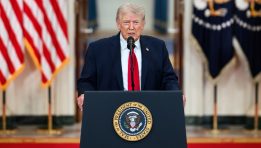
During his meeting with President Donald Trump in Beijing, Chinese leader Xi Jinping revived one of the most closely watched

- omer bar
- •
- 8 Min Read
- •
- ago 17 hours
SKN | Should Investors Expect a Fed Policy Shift After Williams Signals Rates Are on Hold?
Federal Reserve Bank of New York President John Williams signaled that there is currently no need to adjust US monetary
- ago 17 hours
- •
- 8 Min Read

Federal Reserve Bank of New York President John Williams signaled that there is currently no need to adjust US monetary
- Ronny Mor
- •
- 8 Min Read
- •
- ago 18 hours
SKN | Will Japan’s Energy-Driven Wholesale Inflation Push the Bank of Japan Toward a June Rate Hike?
Japan’s wholesale inflation accelerated more than expected, driven largely by higher energy prices and renewed cost pressure across manufacturing and
- ago 18 hours
- •
- 8 Min Read

Japan’s wholesale inflation accelerated more than expected, driven largely by higher energy prices and renewed cost pressure across manufacturing and

