


- Ronny Mor
- •
- 8 Min Read
- •
- 15 minutes ago
Key Points
- China pledged to purchase at least $17 billion annually in U.S. agricultural products through 2028.
- The agreement could support American farmers and stabilize portions of the global food supply chain.
- Investors remain cautious as broader geopolitical and trade tensions between Washington and Beijing continue lingering beneath the surface.
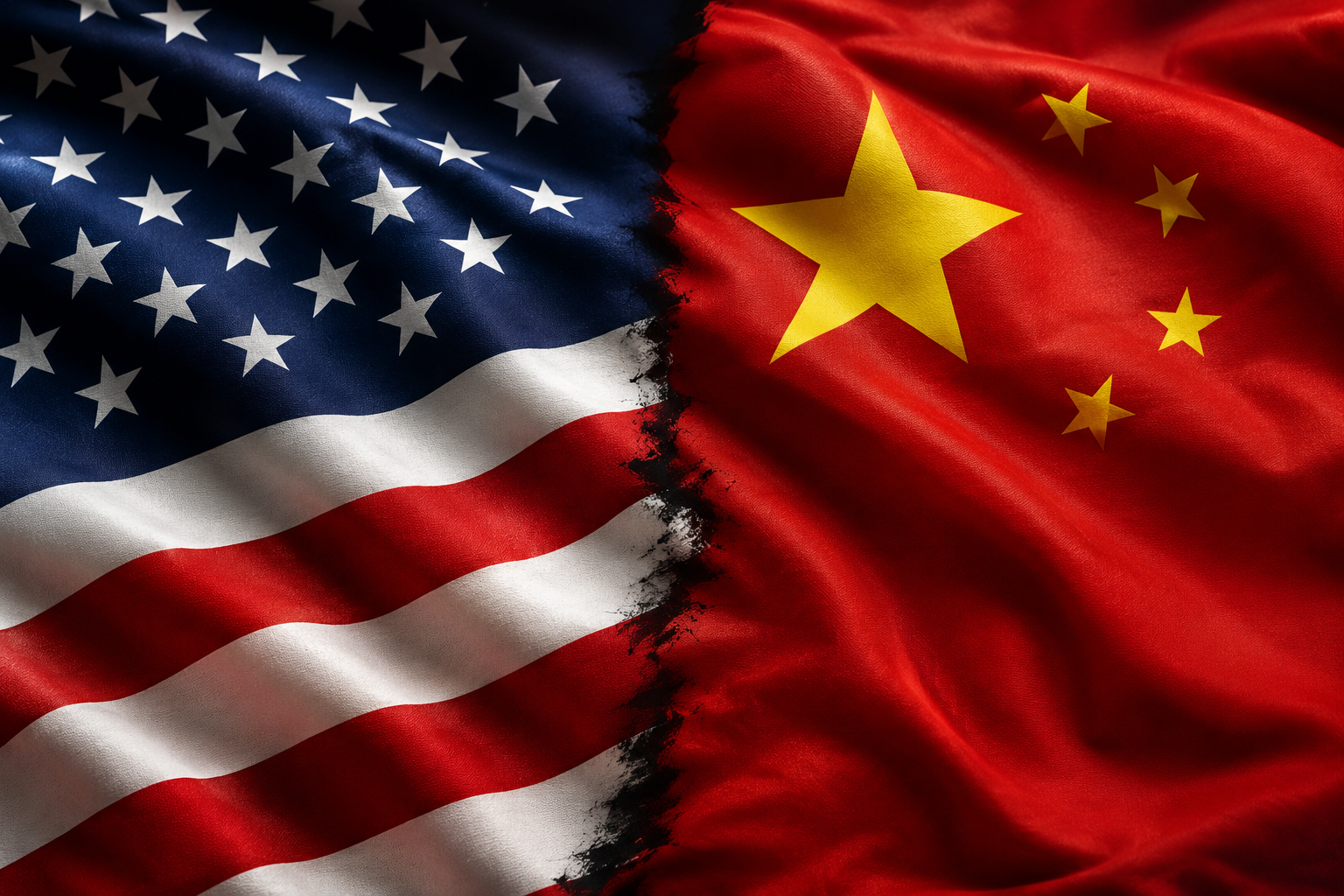
The United States and China appear to be entering a new phase of economic cooperation after the White House confirmed that Beijing has committed to purchasing at least $17 billion worth of American agricultural products annually through 2028. The agreement, reached during last week’s summit between President Donald Trump and Chinese President Xi Jinping, signals a potentially important shift in trade relations at a time when global markets remain highly sensitive to inflation pressures, supply chain disruptions, and geopolitical uncertainty. Investors are now evaluating whether the agricultural commitment represents a temporary diplomatic breakthrough or the beginning of a broader economic stabilization effort between the world’s two largest economies.
U.S.-China Trade Relations Show Signs of Stabilization
The agricultural purchase commitment marks one of the clearest signs yet that Washington and Beijing may be attempting to reduce economic tensions following years of tariff disputes, technology restrictions, and geopolitical friction.
According to the White House, China agreed to purchase a minimum of $17 billion in American agricultural goods annually across 2026, 2027, and 2028. While specific products were not fully detailed, analysts expect major beneficiaries to include soybean producers, corn exporters, beef suppliers, and other large-scale U.S. agricultural industries.
The agreement also arrives at a critical moment for American farmers, many of whom have faced volatile export demand, elevated input costs, and uncertainty tied to global commodity markets. China has historically been one of the largest buyers of U.S. agricultural products, making renewed trade commitments highly significant for rural economic activity and broader export growth.
For financial markets, the announcement offers a temporary signal that both governments may be seeking areas of economic cooperation even as tensions continue surrounding technology, Taiwan, artificial intelligence, and national security.
Agriculture Becomes a Strategic Economic Lever
Agriculture has increasingly become one of the most politically and economically strategic sectors within the broader U.S.-China relationship.
China remains heavily dependent on imported food and feed supplies to support its population and industrial livestock production, while the United States continues relying on agricultural exports as a major contributor to trade activity and domestic employment.
The timing of the agreement is also notable given rising global food inflation and ongoing supply chain disruptions affecting agricultural commodities worldwide. Elevated fertilizer costs, energy market volatility, and climate-related production risks have increased pressure across global food systems throughout 2026.
By securing larger agricultural purchases from the United States, Beijing may also be attempting to stabilize domestic food prices while diversifying supply sources amid growing geopolitical instability in other regions.
Meanwhile, U.S. agricultural producers could benefit from stronger long-term visibility on export demand, potentially supporting investment decisions and easing concerns surrounding inventory management and commodity price volatility.
Markets Watch for Broader Economic Implications
While the agricultural agreement has been welcomed by many market participants, investors remain cautious about assuming that broader tensions between Washington and Beijing have fully eased.
Recent years have demonstrated how rapidly trade negotiations can shift amid political disputes, sanctions, and competing strategic priorities. Investors are therefore likely to focus less on the headline commitment itself and more on whether both sides follow through with consistent implementation.
Commodity markets are expected to react closely to any confirmation of increased Chinese purchases, particularly across soybeans, corn, beef, and other export-sensitive agricultural products. Transportation, logistics, and fertilizer companies may also benefit indirectly from stronger export activity.
At the same time, analysts note that the agreement could help reduce some inflationary pressure within global food markets if larger and more stable trade flows improve supply visibility across agricultural supply chains.
Investors Now Look Beyond the Headline Deal
Looking ahead, markets will closely monitor whether the agricultural agreement evolves into a broader framework for economic cooperation between the United States and China. Investors are particularly focused on whether future negotiations expand into areas such as energy, technology access, manufacturing, or financial market coordination.
For now, the deal offers a rare moment of constructive engagement between two economic superpowers whose relationship has increasingly shaped global inflation trends, commodity prices, and investor sentiment. However, the durability of the agreement will ultimately depend on political stability, continued diplomatic communication, and both nations’ willingness to separate economic cooperation from broader strategic rivalry.
Comparison, examination, and analysis between investment houses
Leave your details, and an expert from our team will get back to you as soon as possible
* This article, in whole or in part, does not contain any promise of investment returns, nor does it constitute professional advice to make investments in any particular field.
To read more about the full disclaimer, click here
- sagi habasov
- •
- 9 Min Read
- •
- ago 1 hour
SKN | Why Are Food Prices Still Climbing in America? CEOs Warn Beef, Coffee, and Produce Inflation Is Far From Over
American consumers continue facing mounting pressure at grocery stores and restaurants as food inflation remains stubbornly elevated across key household
- ago 1 hour
- •
- 9 Min Read

American consumers continue facing mounting pressure at grocery stores and restaurants as food inflation remains stubbornly elevated across key household

- omer bar
- •
- 8 Min Read
- •
- ago 2 days
SKN | Russia’s Wartime Economy Contracts for First Time Since 2023 as Sanctions and Inflation Press Growth
Russia’s wartime economy contracted for the first time since 2023, highlighting growing strains on an economic system that had
- ago 2 days
- •
- 8 Min Read

Russia’s wartime economy contracted for the first time since 2023, highlighting growing strains on an economic system that had

- Ronny Mor
- •
- 8 Min Read
- •
- ago 2 days
SKN | Stocks Retreat as Treasury Yields Surge and Inflation Concerns Shake Global Markets
Global stock markets moved lower as Treasury yields climbed sharply amid renewed concerns that inflation may remain elevated longer
- ago 2 days
- •
- 8 Min Read

Global stock markets moved lower as Treasury yields climbed sharply amid renewed concerns that inflation may remain elevated longer
- omer bar
- •
- 8 Min Read
- •
- ago 3 days
SKN | Should Investors Expect a Fed Policy Shift After Williams Signals Rates Are on Hold?
Federal Reserve Bank of New York President John Williams signaled that there is currently no need to adjust US monetary
- ago 3 days
- •
- 8 Min Read

Federal Reserve Bank of New York President John Williams signaled that there is currently no need to adjust US monetary

