


- Ronny Mor
- •
- 8 Min Read
- •
- 18 hours ago
Key Points
- Oil prices remained relatively steady as investors monitored the fragile US-Iran ceasefire and the closely watched summit between Donald Trump and Xi Jinping in Beijing.
- US crude oil inventories fell more sharply than expected, reinforcing concerns about tightening global energy supplies.
- Persistent disruptions in the Strait of Hormuz and elevated inflation pressures continue supporting expectations for higher-for-longer interest rates.

Oil Prices Hold Steady Amid Geopolitical Uncertainty
Oil prices were little changed on Wednesday as traders balanced tightening US inventories against ongoing geopolitical risks in the Middle East and the start of a high-profile summit between US President Donald Trump and Chinese President Xi Jinping in Beijing.
Brent crude futures slipped slightly to around $107.62 per barrel, while West Texas Intermediate crude futures rose toward $103 per barrel.
Despite modest day-to-day movements, oil markets remain highly volatile as investors continue assessing the durability of the fragile ceasefire between the United States and Iran.
US Oil Inventories Fall More Than Expected
Fresh inventory data from the US Energy Information Administration provided additional support to oil markets.
US crude oil stockpiles declined by approximately 4.3 million barrels last week, significantly exceeding analyst expectations for a draw of roughly 2.1 million barrels.
Gasoline inventories also posted a larger-than-expected decline, falling by about 4.1 million barrels.
The larger inventory drawdowns suggest strong fuel consumption and tightening supply conditions despite concerns about slowing global economic growth.
Meanwhile, distillate inventories, including diesel and heating oil, rose modestly against expectations for a larger decline.
Oil futures briefly extended gains following the release of the inventory report.
Hormuz Disruptions Continue Driving Market Anxiety
The Strait of Hormuz remains at the center of global energy market concerns.
The strategic waterway, which normally handles roughly one-fifth of global oil and liquefied natural gas flows, continues experiencing major disruptions as tensions between Washington and Tehran persist.
Earlier hopes for a longer-term ceasefire weakened after recent diplomatic negotiations showed little progress toward a broader peace agreement.
Iran has continued tightening restrictions around shipping access in the region, contributing to persistent fears surrounding supply shortages.
Analysts noted that even without further escalation, ongoing disruptions are likely to maintain structural tightness in global oil markets throughout much of the year.
Trump-Xi Summit Draws Investor Attention
Market participants are also closely watching developments from the Trump-Xi summit in Beijing.
Trump previously stated he does not believe China’s assistance is necessary to end the Iran conflict, though investors continue viewing Beijing as an important geopolitical player because of its economic relationship with Iran.
China remains one of the largest buyers of Iranian crude oil despite ongoing sanctions pressure from Washington.
Investors are monitoring whether discussions between the two leaders could influence trade relations, energy diplomacy, or broader geopolitical stability.
OPEC and IEA Offer Mixed Market Signals
Global energy agencies delivered mixed assessments of the oil market outlook.
OPEC lowered its forecast for global oil demand growth in 2026, signaling concerns that elevated prices and slowing economic activity may reduce consumption.
At the same time, the International Energy Agency warned that global supply may still fail to meet total demand this year because of ongoing production disruptions tied to the Middle East conflict.
These conflicting signals continue adding volatility to commodity markets.
Inflation and Demand Concerns Remain in Focus
Higher oil prices are also increasingly affecting broader economic conditions.
Recent US inflation data showed consumer prices rising sharply for a second consecutive month, driven largely by elevated energy costs.
The inflation surge has reinforced expectations that the Federal Reserve may keep interest rates elevated for an extended period.
Higher borrowing costs could eventually weaken consumer spending and industrial demand, creating concerns about potential demand destruction in energy markets.
Analysts at BOK Financial noted that traders remain focused on balancing immediate supply tightness against the longer-term economic impact of persistently high energy prices.
Markets Brace for Continued Volatility
With supply disruptions ongoing, inventories tightening, and geopolitical tensions unresolved, analysts expect oil markets to remain highly reactive in the coming months.
Rystad Energy analysts warned that the market rebalancing process could take several months depending on the outcome of negotiations surrounding the Iran conflict and shipping access through the Strait of Hormuz.
As a result, many investors continue positioning for elevated energy prices and persistent market volatility throughout the remainder of 2026.
Comparison, examination, and analysis between investment houses
Leave your details, and an expert from our team will get back to you as soon as possible
* This article, in whole or in part, does not contain any promise of investment returns, nor does it constitute professional advice to make investments in any particular field.
To read more about the full disclaimer, click here
- Lior mor
- •
- 8 Min Read
- •
- ago 5 hours
SKN | Does China’s $3 Billion US Clean Tech Exit Signal a Structural Shift in Global Investment Strategy?
China’s reported exit from approximately $3 billion in US clean technology investments marks a notable shift in cross-border capital allocation
- ago 5 hours
- •
- 8 Min Read

China’s reported exit from approximately $3 billion in US clean technology investments marks a notable shift in cross-border capital allocation

- Ronny Mor
- •
- 7 Min Read
- •
- ago 7 hours
SKN | Can Trump–Xi Trade Talks Stabilize Global Markets as Iran Conflict Uncertainty Lingers?
The arrival of US President Donald Trump in China for a high-level trade summit with President Xi Jinping comes at
- ago 7 hours
- •
- 7 Min Read
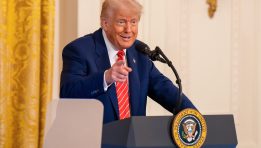
The arrival of US President Donald Trump in China for a high-level trade summit with President Xi Jinping comes at

- sagi habasov
- •
- 8 Min Read
- •
- ago 7 hours
SKN | Can Oil Markets Stay Stable as Trump-Xi Talks and Iran Tensions Shape Global Energy Risk?
Oil markets are trading in a relatively narrow range as investors evaluate the potential implications of anticipated talks involving US
- ago 7 hours
- •
- 8 Min Read

Oil markets are trading in a relatively narrow range as investors evaluate the potential implications of anticipated talks involving US
- Ronny Mor
- •
- 8 Min Read
- •
- ago 1 day
SKN | Oil Prices Edge Lower as Iran Ceasefire Uncertainty Grows While Trump Prepares China Visit
Global oil markets are trading slightly lower as investors reassess geopolitical risk premiums following uncertainty surrounding the Iran ceasefire, while
- ago 1 day
- •
- 8 Min Read

Global oil markets are trading slightly lower as investors reassess geopolitical risk premiums following uncertainty surrounding the Iran ceasefire, while


