


- omer bar
- •
- 7 Min Read
- •
- 19 seconds ago
Key Points
- Federal Reserve officials are expected to keep interest rates unchanged amid geopolitical uncertainty.
- Rising oil prices are complicating the inflation outlook without yet fully impacting core prices.
- Markets remain divided on whether rate cuts will come later this year or be delayed further.
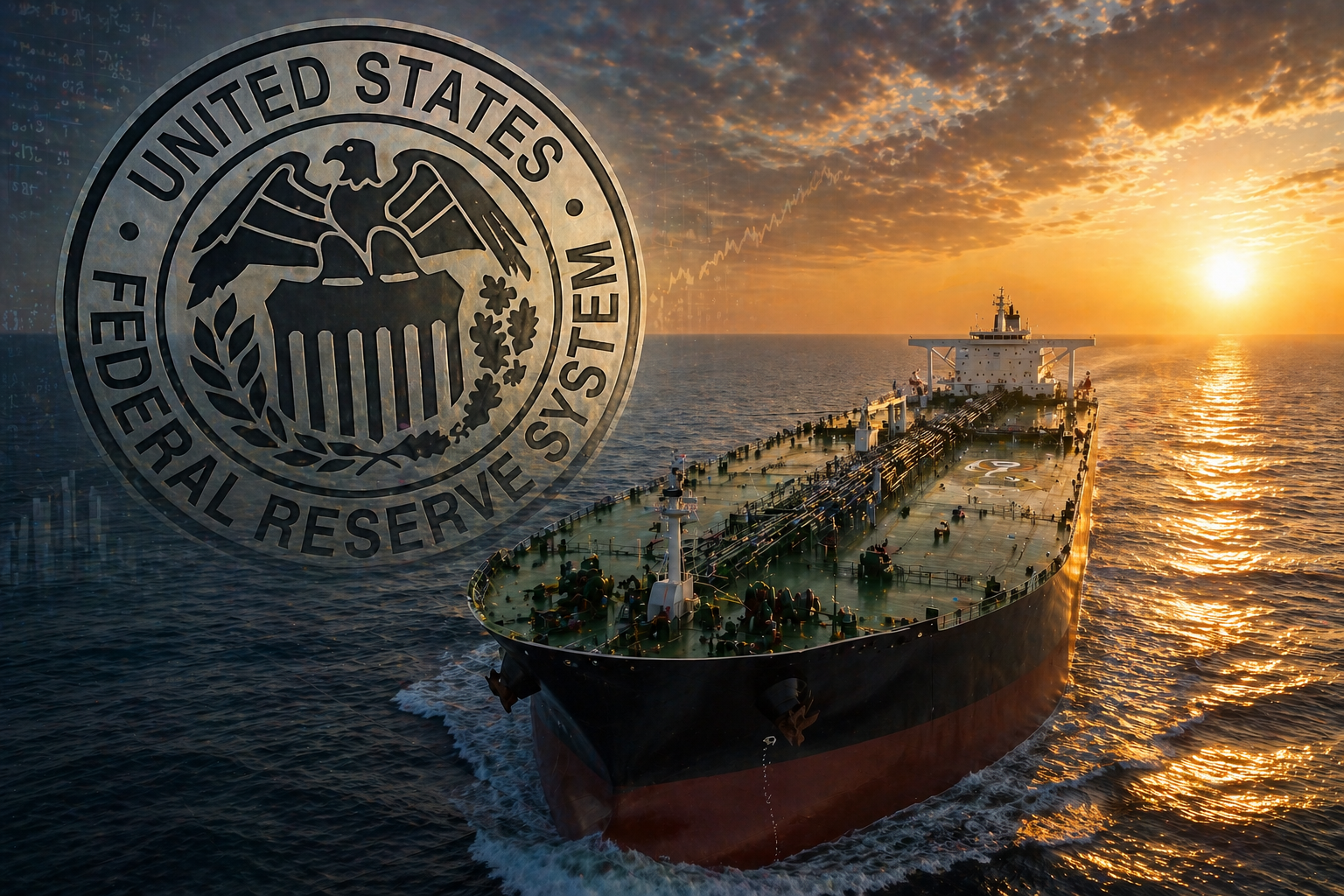
The Federal Reserve is widely expected to leave interest rates unchanged at its upcoming meeting, as policymakers grapple with a complex mix of geopolitical risk, inflation uncertainty, and slowing economic momentum. With the Iran conflict entering its second month and energy prices remaining elevated, the central bank is adopting a cautious stance—waiting for clearer signals before adjusting policy. This pause reflects not indecision, but a deliberate strategy to avoid missteps in an increasingly unpredictable environment.
Geopolitical Uncertainty Keeps the Fed on Hold
The ongoing conflict in the Middle East has introduced a new layer of complexity to the Fed’s decision-making process. Oil prices have surged and remain well above pre-conflict levels, raising concerns about inflation while simultaneously threatening economic growth.
Former policymakers such as Loretta Mester and Esther George have emphasized that the full economic impact of the conflict may take months to materialize. This lag effect makes it difficult for the Fed to act preemptively, reinforcing the case for maintaining current policy until more data becomes available.
Inflation Risks Are Rising—but Not Yet Broad-Based
While headline inflation has increased due to higher gasoline prices, there is limited evidence so far that these pressures have spread across the broader economy. This distinction is critical for policymakers, who are more concerned about sustained, broad-based inflation than temporary price spikes driven by energy.
The Fed is closely monitoring whether rising fuel costs begin to influence wages, consumer behavior, and core inflation metrics. If the impact remains contained, officials may be willing to “look through” the increase. However, if inflation becomes more persistent, the central bank may be forced to reconsider its policy path.
This uncertainty highlights a key challenge: distinguishing between temporary shocks and structural inflation trends in real time.
Growth Concerns Strengthen the Case for Future Cuts
At the same time, there are growing signs that higher energy prices could weigh on economic activity. Increased fuel costs act as a drag on consumer spending, effectively reducing disposable income and limiting demand across the economy.
Some economists argue that this dynamic could ultimately lead to lower inflation, as weaker demand forces businesses to moderate price increases. This scenario would support the case for rate cuts later in the year, particularly if labor market conditions begin to deteriorate.
However, the timing remains uncertain. Policymakers are wary of easing too soon, especially given that inflation has remained above the Fed’s 2% target for an extended period.
Policy Outlook: Patience with a Bias Toward Flexibility
The Fed’s current stance can best be described as “on hold, but not neutral.” While officials have not abandoned the prospect of rate cuts, they are clearly prioritizing flexibility over commitment. This approach allows the central bank to respond quickly to changing conditions without locking itself into a predetermined path.
Looking ahead, the trajectory of oil prices, inflation data, and labor market trends will be critical in shaping policy decisions. If inflation pressures ease and growth slows, rate cuts could begin as early as the second half of the year. Conversely, if inflation proves more persistent, the Fed may extend its pause—or even reconsider tightening.
In this environment, uncertainty remains the dominant theme. For investors, the key takeaway is that the Fed is unlikely to act decisively until the economic impact of current shocks becomes clearer, ensuring that policy remains responsive rather than reactive.
Comparison, examination, and analysis between investment houses
Leave your details, and an expert from our team will get back to you as soon as possible
* This article, in whole or in part, does not contain any promise of investment returns, nor does it constitute professional advice to make investments in any particular field.
To read more about the full disclaimer, click here
- sagi habasov
- •
- 9 Min Read
- •
- ago 3 hours
SKN | Is AI Driving a Structural Shift in China’s Trade Balance as Imports Surge Ahead of Exports?
China’s trade dynamics are undergoing a notable transformation as economists revise forecasts to reflect a surge in imports driven largely
- ago 3 hours
- •
- 9 Min Read

China’s trade dynamics are undergoing a notable transformation as economists revise forecasts to reflect a surge in imports driven largely
- Ronny Mor
- •
- 7 Min Read
- •
- ago 6 days
SKN | Will Fed Independence Hold as Kevin Warsh Faces Senate Confirmation Pressure
Kevin Warsh began his confirmation hearing before the Senate Banking Committee at a pivotal moment for U.S. monetary policy, with
- ago 6 days
- •
- 7 Min Read
Kevin Warsh began his confirmation hearing before the Senate Banking Committee at a pivotal moment for U.S. monetary policy, with
- Ronny Mor
- •
- 9 Min Read
- •
- ago 6 days
SKN | Can the Fed Shrink Its Balance Sheet Without Disrupting Markets? A New Framework Emerges
As scrutiny intensifies ahead of a key confirmation hearing, debate is accelerating around how the Federal Reserve might reduce its
- ago 6 days
- •
- 9 Min Read
As scrutiny intensifies ahead of a key confirmation hearing, debate is accelerating around how the Federal Reserve might reduce its
- sagi habasov
- •
- 7 Min Read
- •
- ago 1 week
SKN | Is the Fed Drawing a Line on Bank Capital Rules as Industry Pushback Fades
The U.S. Federal Reserve appears to be shifting its tone toward large financial institutions, signaling that the era of aggressive
- ago 1 week
- •
- 7 Min Read
The U.S. Federal Reserve appears to be shifting its tone toward large financial institutions, signaling that the era of aggressive

