


- sagi habasov
- •
- 7 Min Read
- •
- 15 seconds ago
Key Points
- Federal Reserve signals banks should avoid aggressive lobbying against new capital rules
- Revised Basel III proposals would reduce capital requirements by about 4.8 percent
- Uneven impact across banks raises tensions despite overall regulatory easing
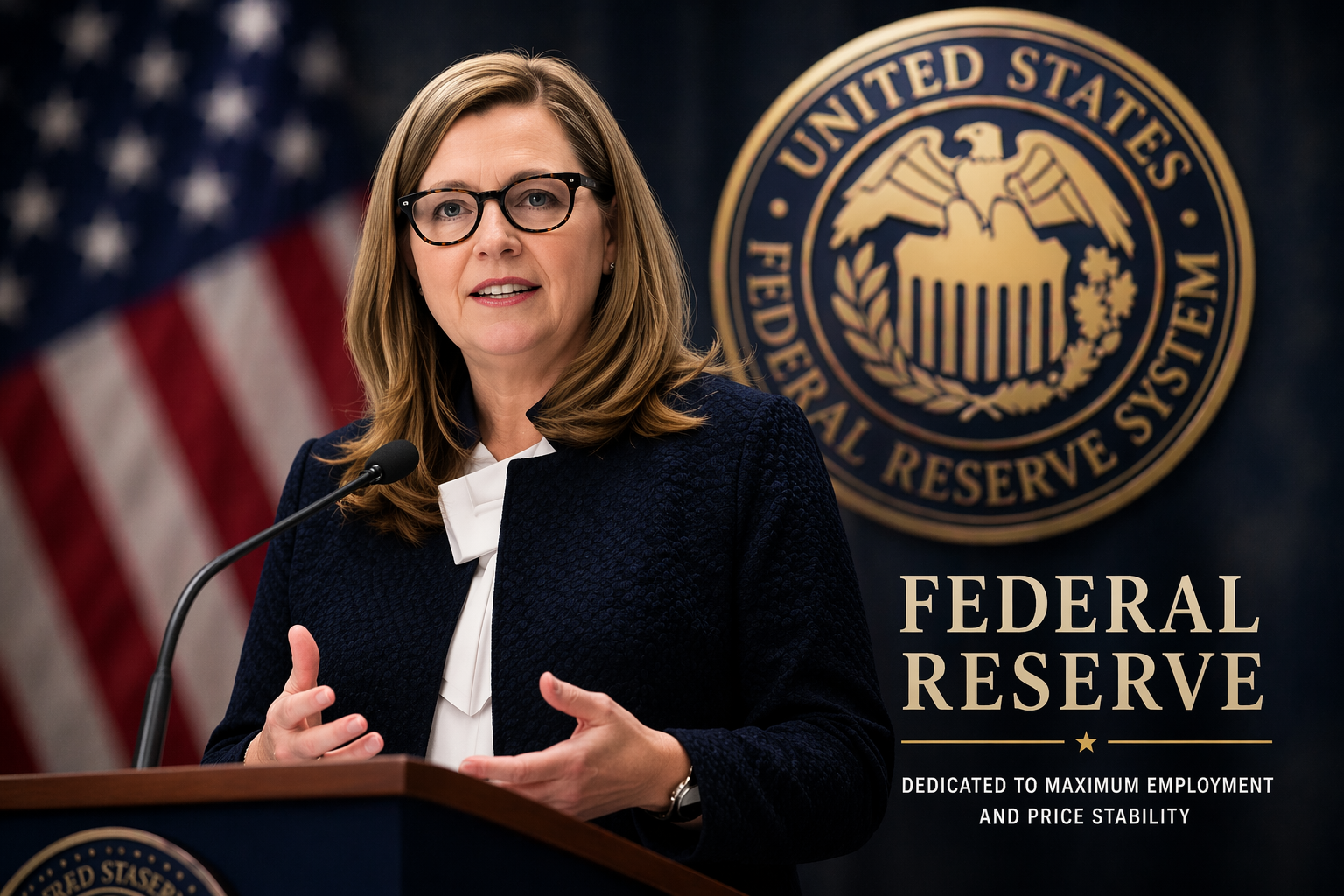
The U.S. Federal Reserve appears to be shifting its tone toward large financial institutions, signaling that the era of aggressive lobbying against capital requirements may be coming to an end. According to individuals familiar with recent discussions, Fed Vice Chair for Supervision Michelle Bowman has indicated that regulators expect a more measured response from banks as new capital rules move toward finalization. The message comes at a critical moment for financial markets, where regulatory clarity plays a key role in shaping lending conditions, risk appetite, and overall economic momentum.
Regulatory Reset After Years of Conflict
The Fed’s updated proposals for Basel III and the Global Systemically Important Bank surcharge represent a notable shift from earlier, more stringent plans. Regulators now estimate that capital requirements for major U.S. banks could decline by approximately 4.8 percent under the revised framework. This marks a significant reversal from the 2023 proposal, which had projected capital increases of roughly 20 percent and triggered one of the most coordinated lobbying campaigns in recent banking history.
That earlier pushback saw banks deploy a wide range of tactics, from direct engagement with lawmakers to public advertising campaigns and even legal threats. The intensity of that response highlighted how critical capital rules are to bank profitability and lending capacity. By contrast, the Fed’s current stance suggests policymakers believe they have already made sufficient concessions and are seeking to avoid another prolonged confrontation.
Uneven Outcomes Create New Frictions
Despite the overall easing, the benefits of the revised rules are not evenly distributed across the banking sector. JPMorgan Chase, the largest U.S. bank, has indicated that its capital requirements could actually increase by around 4 percent under the new framework. CEO Jamie Dimon has publicly criticized aspects of the proposal, describing them as flawed and raising concerns about competitiveness.
This divergence highlights a key challenge for regulators. While the aggregate impact may appear supportive for the industry, individual institutions face different outcomes depending on their size, business mix, and systemic importance. As a result, some banks may still seek targeted adjustments during the formal comment period, even if a broad-based campaign is unlikely.
Balancing Growth and Financial Stability
The Fed’s approach reflects a broader balancing act between supporting economic growth and maintaining financial system resilience. Policymakers, including Jerome Powell, have faced criticism from both sides, with some arguing that stricter rules are necessary to prevent future crises, while others warn that excessive capital requirements could constrain lending and slow the economy.
Bowman and other officials have emphasized that the revised framework is designed to be more risk-sensitive, aligning capital levels more closely with actual exposures. At the same time, they have signaled a desire to finalize the rules within the year, partly to avoid political uncertainty ahead of upcoming elections that could shift the regulatory landscape.
Outlook Hinges on Final Negotiations and Market Response
As the 90-day comment period unfolds, the focus will turn to how banks navigate the Fed’s call for restrained feedback. The outcome will likely influence not only capital allocation decisions but also broader market sentiment toward the financial sector.
Investors will be watching closely for signs of compromise or renewed tension, particularly given the uneven distribution of benefits. While the Fed appears determined to close this chapter of regulatory debate, the final shape of the rules will ultimately determine whether the balance between growth and stability has truly been achieved.
Comparison, examination, and analysis between investment houses
Leave your details, and an expert from our team will get back to you as soon as possible
* This article, in whole or in part, does not contain any promise of investment returns, nor does it constitute professional advice to make investments in any particular field.
To read more about the full disclaimer, click here
- sagi habasov
- •
- 7 Min Read
- •
- ago 2 hours
SKN | Can Israel’s Economy Rebound Quickly if Peace Holds in the Middle East?
Israel’s economic outlook has entered a critical phase as policymakers navigate the immediate shock of regional conflict alongside the possibility
- ago 2 hours
- •
- 7 Min Read

Israel’s economic outlook has entered a critical phase as policymakers navigate the immediate shock of regional conflict alongside the possibility
- sagi habasov
- •
- 8 Min Read
- •
- ago 18 hours
SKN | IMF and World Bank Reopen Engagement With Venezuela as Global Financial Recalibration Gains Pace
The International Monetary Fund and the World Bank have resumed official engagement with Venezuela, marking a significant shift in international
- ago 18 hours
- •
- 8 Min Read

The International Monetary Fund and the World Bank have resumed official engagement with Venezuela, marking a significant shift in international
- sagi habasov
- •
- 7 Min Read
- •
- ago 1 day
SKN | Is the Fed Turning More Hawkish or Still Preparing to Cut Rates Despite Sticky Inflation?
The Federal Reserve’s policy outlook is becoming increasingly complex as conflicting signals from inflation and economic growth reshape expectations. Stephen
- ago 1 day
- •
- 7 Min Read
The Federal Reserve’s policy outlook is becoming increasingly complex as conflicting signals from inflation and economic growth reshape expectations. Stephen

- omer bar
- •
- 7 Min Read
- •
- ago 1 day
SKN | Is the Iran War Pushing the U.S. Economy Toward Stagflation?
Geopolitical Shock Begins to Impact the Economy Concerns about the economic fallout from the Iran conflict are intensifying, as John
- ago 1 day
- •
- 7 Min Read

Geopolitical Shock Begins to Impact the Economy Concerns about the economic fallout from the Iran conflict are intensifying, as John

