


- sagi habasov
- •
- 8 Min Read
- •
- 17 seconds ago
Key Points
- The IMF and World Bank have resumed formal dealings with Venezuela after a multi-year suspension
- The move signals a broader shift toward reintegration of Venezuela into the international financial system
- Investors are watching potential implications for debt restructuring, capital flows, and sovereign risk pricing
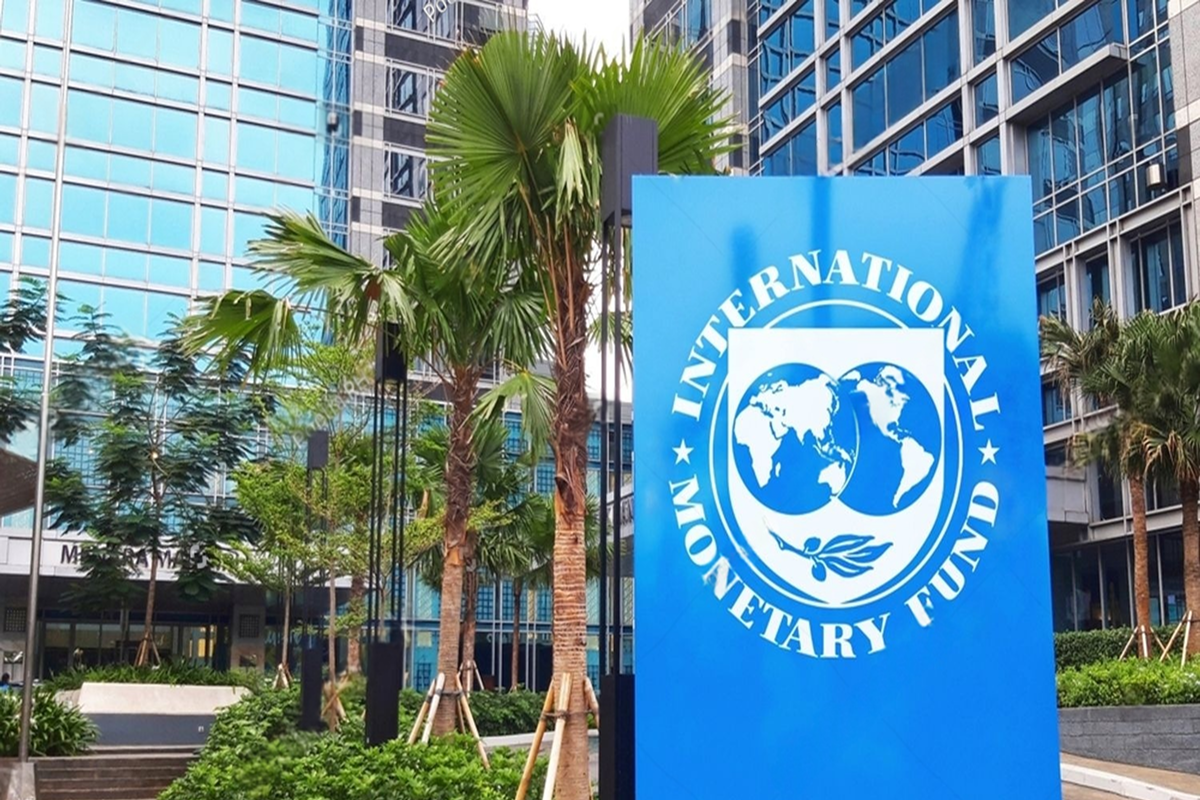
The International Monetary Fund and the World Bank have resumed official engagement with Venezuela, marking a significant shift in international financial relations with the sanctioned and long-isolated South American economy. The decision comes after years of suspended dealings and reflects changing geopolitical conditions as global institutions reassess their approach to fragile and conflict-affected economies. For global markets, the move introduces renewed attention to Venezuela’s sovereign debt profile, economic stabilization prospects, and long-term reintegration potential.
Re-engagement Signals Shift in Multilateral Policy Approach
The renewed involvement by the IMF and World Bank represents a structural change in policy stance after engagement with Venezuela was largely frozen since 2019. During the suspension period, international financial institutions were unable to conduct formal surveillance or provide lending support, largely due to governance recognition disputes and lack of reliable economic data.
The current decision is based on support from a majority of IMF member states, enabling technical-level engagement and data collection to restart. This step is critical because Venezuela has not undergone a full Article IV consultation since 2004, leaving major gaps in the international understanding of its economic conditions.
Recent estimates suggest Venezuela continues to face severe macroeconomic distortions, including hyperinflation, currency instability, and deeply constrained fiscal capacity. External debt is widely believed to remain in distress, with significant portions in default and unresolved restructuring negotiations. The resumption of institutional engagement is therefore viewed as a prerequisite for any future stabilization framework.
Debt Restructuring Prospects and Capital Market Implications
Market participants are closely monitoring whether renewed multilateral engagement could pave the way for sovereign debt restructuring discussions. Venezuela is estimated to hold tens of billions of dollars in defaulted obligations, with unresolved creditor claims spanning bonds issued under multiple jurisdictions.
Historically, IMF involvement has served as a catalyst for sovereign restructuring processes by providing macroeconomic assessments and policy frameworks that guide negotiations between governments and creditors. However, any meaningful progress will depend on sustained political stability, improved data transparency, and agreement among major international stakeholders.
From a capital markets perspective, even incremental progress in engagement can influence risk sentiment across emerging market sovereign debt. Venezuelan assets, which trade in distressed territory, could experience heightened volatility as investors reassess recovery scenarios and probability-weighted outcomes.
Geopolitical Alignment and Institutional Coordination
The return of IMF and World Bank engagement also reflects broader geopolitical alignment shifts among major economies regarding Venezuela’s financial reintegration. Recent developments suggest increased coordination between multilateral institutions and key global policymakers aimed at restoring limited financial normalization pathways.
The World Bank’s parallel re-engagement is particularly significant, as the institution has not provided new lending to Venezuela in decades. Any future involvement would likely focus on technical assistance, institutional rebuilding, and long-term development support rather than immediate large-scale financing.
At the same time, Venezuela’s economic outlook remains highly uncertain. Structural challenges, including weak institutional capacity, dependence on oil revenues, and long-standing inflationary pressures, continue to constrain recovery potential even in the event of external support.
Outlook: Gradual Reintegration With High Execution Risk
Looking ahead, the trajectory of Venezuela’s reintegration into global financial institutions will depend on the pace of technical cooperation, political developments, and creditor engagement. Early-stage steps such as data collection and economic assessment will be critical in determining whether a formal stabilization program becomes feasible.
Risks remain elevated, including policy reversals, data limitations, and unresolved debt disputes that could delay or complicate restructuring efforts. However, the resumption of IMF and World Bank engagement introduces a potential pathway toward gradual normalization of Venezuela’s financial relations with the global system.
Market participants are likely to closely monitor institutional communications, sovereign credit developments, and geopolitical signals for indications of whether this initial re-engagement evolves into a structured economic recovery framework.
Comparison, examination, and analysis between investment houses
Leave your details, and an expert from our team will get back to you as soon as possible
* This article, in whole or in part, does not contain any promise of investment returns, nor does it constitute professional advice to make investments in any particular field.
To read more about the full disclaimer, click here
- sagi habasov
- •
- 7 Min Read
- •
- ago 8 hours
SKN | Is the Fed Turning More Hawkish or Still Preparing to Cut Rates Despite Sticky Inflation?
The Federal Reserve’s policy outlook is becoming increasingly complex as conflicting signals from inflation and economic growth reshape expectations. Stephen
- ago 8 hours
- •
- 7 Min Read
The Federal Reserve’s policy outlook is becoming increasingly complex as conflicting signals from inflation and economic growth reshape expectations. Stephen

- omer bar
- •
- 7 Min Read
- •
- ago 14 hours
SKN | Is the Iran War Pushing the U.S. Economy Toward Stagflation?
Geopolitical Shock Begins to Impact the Economy Concerns about the economic fallout from the Iran conflict are intensifying, as John
- ago 14 hours
- •
- 7 Min Read

Geopolitical Shock Begins to Impact the Economy Concerns about the economic fallout from the Iran conflict are intensifying, as John
- omer bar
- •
- 8 Min Read
- •
- ago 21 hours
SKN | Can China’s Economy Sustain Growth Near 5% Despite Rising Global Geopolitical Tensions?
China’s economy has shown unexpected resilience, with growth hovering around the 5% mark despite heightened geopolitical tensions and an increasingly
- ago 21 hours
- •
- 8 Min Read

China’s economy has shown unexpected resilience, with growth hovering around the 5% mark despite heightened geopolitical tensions and an increasingly
- sagi habasov
- •
- 7 Min Read
- •
- ago 2 days
SKN | Will Persistent Inflation Trigger a Wave of Restaurant Closures Across Global Markets?
Rising inflation is placing increasing strain on the global restaurant industry, with prominent restaurateur José Andrés warning that continued cost
- ago 2 days
- •
- 7 Min Read

Rising inflation is placing increasing strain on the global restaurant industry, with prominent restaurateur José Andrés warning that continued cost


