




- Lior mor
- •
- 6 Min Read
- •
- 1 year ago



Highlights:
– U.S. tariffs could push inflation to 3.5–4% and unemployment to 4.5–5% in 2025.
– OECD forecasts U.S. GDP growth to slow to 2.2% in 2025 and 1.6% in 2026 due to tariff impacts.
– Federal Reserve officials express concerns over tariffs’ effects on inflation and economic growth.
President Donald Trump’s implementation of sweeping tariffs on imports is raising concerns among economists and policymakers about the potential for stagflation—a combination of stagnant economic growth and high inflation. The tariffs, which have affected trade relations with major partners like China, Canada, and Mexico, are anticipated to have significant economic repercussions.
Inflationary Pressures Intensify
Federal Reserve officials, including President John Williams, have warned that the tariffs could drive inflation up to between 3.5% and 4% in 2025, compared to 2.5% in February. This increase is attributed to higher import costs and reduced competition in the domestic market. Williams noted that these inflationary pressures, coupled with reduced immigration and increased economic uncertainty, could slow real GDP growth to below 1% and increase unemployment from 4.2% to 4.5%-5%.
Economic Growth Faces Downward Pressure
The Organisation for Economic Co-operation and Development (OECD) has projected that the U.S. economy will experience a slowdown, with GDP growth decreasing to 2.2% in 2025 and 1.6% in 2026 due to the impact of tariff hikes. The OECD also forecasts that Canada’s growth will slow to 0.7%, and Mexico’s economy will contract by 1.3% in 2025 and 0.6% in 2026. These projections highlight the broader regional economic challenges stemming from the trade tensions.
Market Volatility and Consumer Sentiment
The announcement of new tariffs has led to significant market volatility, with stock markets experiencing sharp declines. For instance, the S\&P 500 Financial Index had its worst day in years following tariff announcements. Additionally, consumer confidence has taken a hit, with sentiment reaching its lowest level in four years, driven by concerns over higher prices and the uncertainty surrounding the trade policies.
In response to the economic challenges posed by the tariffs, the Federal Reserve faces a delicate balancing act. While some market participants anticipate potential rate cuts to stimulate the economy, officials like Williams emphasize the importance of maintaining long-term inflation expectations around the 2% target. The upcoming Federal Open Market Committee (FOMC) meeting in mid-September will be closely watched for any policy adjustments.
The Supreme Court’s decision to review the legality of Trump’s tariffs, set for November, adds another layer of uncertainty to the economic landscape. The outcome could have significant implications for U.S. trade policy and presidential authority in economic matters.
As the situation develops, stakeholders across the economy—from consumers to investors—will need to monitor the evolving trade policies and their impacts on inflation, employment, and economic growth. The interplay between these factors will be crucial in determining the trajectory of the U.S. economy in the coming months.
Comparison, examination, and analysis between investment houses
Leave your details, and an expert from our team will get back to you as soon as possible
* This article, in whole or in part, does not contain any promise of investment returns, nor does it constitute professional advice to make investments in any particular field.
To read more about the full disclaimer, click here
- orshu
- •
- 7 Min Read
- •
- ago 25 minutes
SKN | Global Markets Navigate Transatlantic PMI Telemetry and Retail Earnings Wave Amid Widespread Asian Holiday Closures
Global capital markets enter the trading week of September 21, 2026, balancing flash economic sentiment prints against important retail sector
- ago 25 minutes
- •
- 7 Min Read

Global capital markets enter the trading week of September 21, 2026, balancing flash economic sentiment prints against important retail sector

- omer bar
- •
- 6 Min Read
- •
- ago 1 hour
SKN | Fed’s Kashkari Warns Inflation Remains Too High Across the US Economy
Minneapolis Federal Reserve President Neel Kashkari said inflation remains too high across the U.S. economy, arguing that price pressures extend
- ago 1 hour
- •
- 6 Min Read
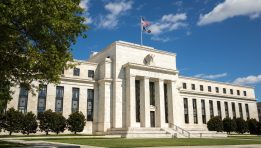
Minneapolis Federal Reserve President Neel Kashkari said inflation remains too high across the U.S. economy, arguing that price pressures extend

- Lior mor
- •
- 6 Min Read
- •
- ago 1 hour
SKN | Yen Volatility Puts Japan Back on Intervention Watch as Global Currencies Steady
The yen has returned to the center of global currency markets after a sharp decline last week revived speculation that
- ago 1 hour
- •
- 6 Min Read

The yen has returned to the center of global currency markets after a sharp decline last week revived speculation that

- Ronny Mor
- •
- 6 Min Read
- •
- ago 2 hours
SKN | US-China Talks Bring AI, Trade and Critical Minerals to the Forefront
The United States and China are widening their economic dialogue beyond the traditional dispute over tariffs, with artificial intelligence, critical
- ago 2 hours
- •
- 6 Min Read

The United States and China are widening their economic dialogue beyond the traditional dispute over tariffs, with artificial intelligence, critical
