





- Ronny Mor
- •
- 7 Min Read
- •
- 5 hours ago
Key Points
- Renewed Middle East tensions pushed oil prices higher as investors priced in greater risks to global energy supplies through the Strait of Hormuz.
- Asian equity markets showed resilience, supported by strong Chinese export growth and continued optimism surrounding artificial intelligence investment.
- Investors will closely monitor corporate earnings, inflation trends, and geopolitical developments as key drivers of market direction during the weeks ahead.

Global financial markets entered a more cautious phase as escalating conflict between the United States and Iran reignited concerns over energy supplies through the Strait of Hormuz. Crude oil prices extended their recent rally, while Asian equity markets delivered mixed performances as investors assessed the growing geopolitical uncertainty alongside encouraging economic data from China. With U.S. banks preparing to report quarterly earnings and inflation risks resurfacing, market participants are increasingly weighing whether geopolitical events could become the dominant driver of financial markets during the second half of the year.
Oil Markets React to Escalating Geopolitical Risks
Energy markets remained firmly focused on developments in the Middle East after renewed military action increased uncertainty surrounding one of the world’s most important energy corridors. Brent crude advanced above $85 per barrel after surging nearly 10% during the previous trading session, while West Texas Intermediate climbed above $80 per barrel.
Although prices remain well below the highs reached during earlier stages of the regional conflict, traders continue assigning a sizeable geopolitical risk premium as shipping activity through the Strait of Hormuz faces renewed disruption. The strategic waterway handles roughly one-fifth of global crude exports, making any interruption significant for international energy markets.
Higher oil prices also threaten to revive inflationary pressures at a time when many central banks remain cautious about monetary policy, potentially delaying expectations for future interest-rate reductions.
Asian Markets Balance Economic Strength Against Rising Uncertainty
Equity performance across Asia reflected cautious optimism despite the geopolitical backdrop. Japan’s Nikkei 225 and South Korea’s Kospi both recovered from early weakness, supported by selective buying in technology shares. SoftBank gained after Chairman Masayoshi Son reaffirmed his confidence that artificial intelligence investment remains far from a speculative bubble, reinforcing optimism surrounding long-term AI infrastructure spending.
Chinese equities also advanced after export data significantly exceeded expectations. China’s exports increased 27% year over year in June, supported by robust demand for semiconductors, artificial intelligence hardware, and advanced technology products. Investors are now turning their attention to China’s upcoming quarterly economic growth figures for further evidence regarding the country’s broader economic recovery.
The resilience of Chinese exports highlights continued global investment in technology despite increasing geopolitical uncertainty and slower growth across several developed economies.
Corporate Earnings and Inflation Become the Next Market Test
While geopolitical developments dominate short-term market sentiment, investors are simultaneously preparing for one of the most closely watched corporate earnings seasons in recent years. Major U.S. financial institutions, including JPMorgan Chase, Goldman Sachs, Bank of America, Citigroup, and Wells Fargo, are scheduled to release quarterly results that will offer important insights into economic activity, lending conditions, and business confidence.
Analysts currently expect S&P 500 companies to deliver earnings growth exceeding 20% compared with the previous year. Those expectations remain elevated after significant equity gains driven largely by artificial intelligence-related companies. Recent weakness among semiconductor stocks suggests investors are becoming increasingly selective as valuations reach historically high levels.
If oil prices remain elevated, stronger inflation could place additional pressure on corporate margins while complicating the Federal Reserve’s policy outlook. Investors will therefore monitor not only earnings performance but also management guidance regarding consumer demand, capital spending, and inflation expectations.
Market sentiment over the coming weeks is likely to depend on whether geopolitical tensions stabilize or continue disrupting global energy markets. Combined with corporate earnings and central bank expectations, developments in the Middle East could significantly influence asset prices across equities, commodities, and currencies as investors reassess both growth prospects and inflation risks.
Comparison, examination, and analysis between investment houses
Leave your details, and an expert from our team will get back to you as soon as possible
* This article, in whole or in part, does not contain any promise of investment returns, nor does it constitute professional advice to make investments in any particular field.
To read more about the full disclaimer, click here
- omer bar
- •
- 5 Min Read
- •
- ago 2 hours
SKN | Jim Cramer’s Top 10 Market Themes for Tuesday: What Investors Should Be Watching
Wall Street enters Tuesday's trading session with investors balancing optimism surrounding artificial intelligence and corporate earnings against persistent uncertainty
- ago 2 hours
- •
- 5 Min Read

Wall Street enters Tuesday's trading session with investors balancing optimism surrounding artificial intelligence and corporate earnings against persistent uncertainty

- orshu
- •
- 7 Min Read
- •
- ago 2 hours
SKN | U.S. Stocks Trade Higher as Weaker Dollar Supports Risk Appetite Ahead of Earnings Season
U.S. equity markets traded higher during Tuesday's session as investors positioned portfolios ahead of a wave of second-quarter earnings
- ago 2 hours
- •
- 7 Min Read
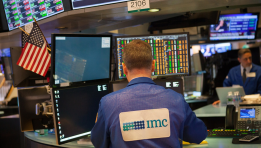
U.S. equity markets traded higher during Tuesday's session as investors positioned portfolios ahead of a wave of second-quarter earnings
- orshu
- •
- 6 Min Read
- •
- ago 6 hours
SKN | Global Shipping Industry Warns Trump’s Proposed Hormuz Toll Could Disrupt Energy Trade
The global shipping industry is pushing back against former U.S. President Donald Trump's proposal to impose tolls on commercial
- ago 6 hours
- •
- 6 Min Read

The global shipping industry is pushing back against former U.S. President Donald Trump's proposal to impose tolls on commercial
- orshu
- •
- 8 Min Read
- •
- ago 8 hours
SKN | Tel Aviv Equities Rebound as TA-35 Leads Recovery While Market Breadth Remains Mixed
Tel Aviv financial markets are trading higher following recent selling pressure, with large-cap equities leading a selective recovery across the
- ago 8 hours
- •
- 8 Min Read

Tel Aviv financial markets are trading higher following recent selling pressure, with large-cap equities leading a selective recovery across the


