





- orshu
- •
- 7 Min Read
- •
- 1 hour ago
Key Points
- Major U.S. equity indexes traded higher as investors maintained a positive outlook heading into a busy week of second-quarter corporate earnings.
- The U.S. Dollar Index fell by 0.59%, supporting risk assets and improving sentiment across global equity markets.
- Small-cap stocks continued to outperform, signaling broader participation in the market rally beyond large-cap technology companies.
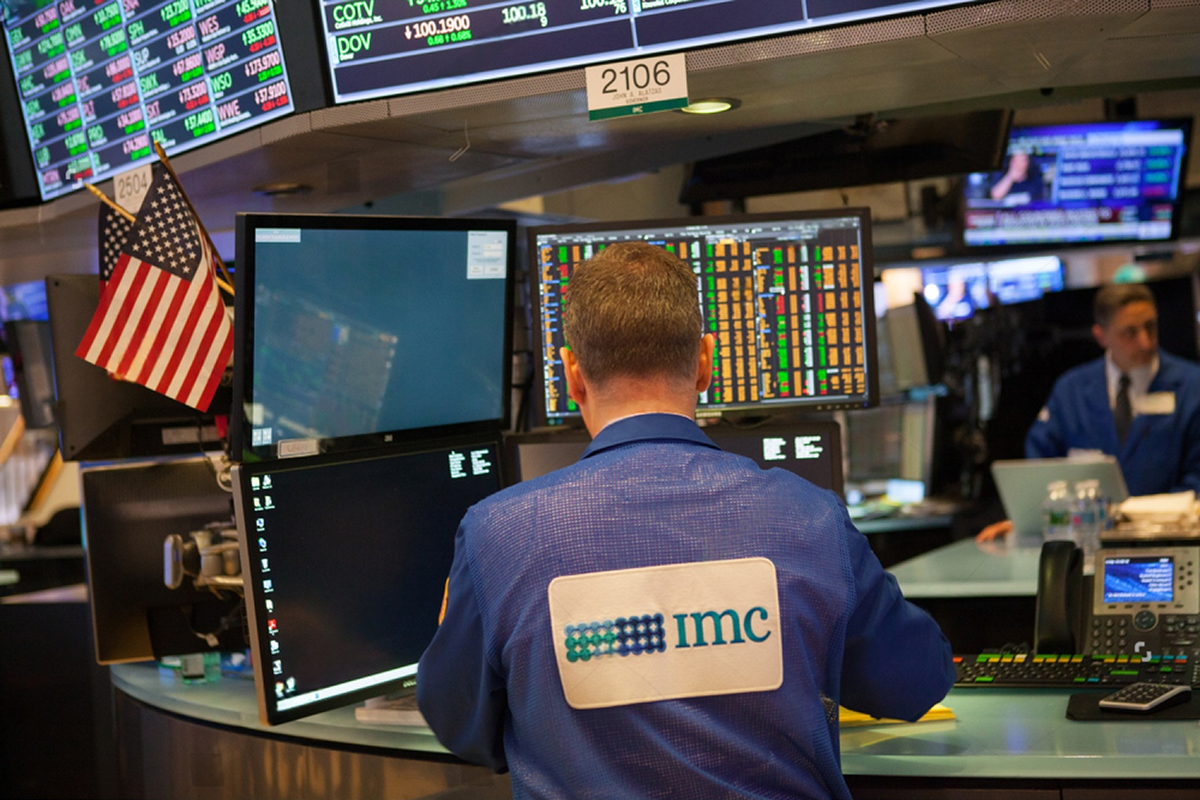
U.S. equity markets traded higher during Tuesday’s session as investors positioned portfolios ahead of a wave of second-quarter earnings reports and additional economic data releases. A softer U.S. dollar, combined with steady gains across major indexes, reflected improving investor confidence despite lingering concerns surrounding interest rates, inflation, and global growth.
The broad-based advance suggested that investors remain willing to increase exposure to equities while awaiting fresh corporate guidance. Markets are increasingly looking for confirmation that earnings growth can continue supporting elevated valuations across several sectors.
Broad Market Gains Extend Positive Momentum
The S&P 500 advanced by 0.17%, maintaining its upward trend as institutional investors continued allocating capital toward high-quality large-cap companies. The Nasdaq gained 0.40%, supported by ongoing strength in technology and artificial intelligence-related companies, which continue to dominate market leadership.
The Dow Jones Industrial Average rose by 0.14%, reflecting moderate gains across industrial, healthcare, and financial stocks. Meanwhile, the Russell 2000 climbed by 0.58%, outperforming the broader market as investors showed renewed confidence in domestically focused small-cap companies that could benefit from improving economic activity.
Elsewhere in the Americas, Brazil’s IBOVESPA gained by 0.68%, while Canada’s S&P/TSX Composite Index increased by 0.42%. The positive performance across regional markets highlighted continued investor willingness to maintain exposure to both developed and emerging market equities.
Weaker Dollar Supports Global Market Sentiment
The U.S. Dollar Index fell by 0.59%, extending recent weakness in the currency. A softer dollar often benefits multinational corporations by improving export competitiveness while also supporting commodity prices, including gold, oil, and industrial metals that are typically priced in U.S. dollars.
Currency movements remain closely watched because they influence corporate earnings, inflation trends, and international capital flows. For global investors, a weaker dollar can improve returns on overseas investments while easing financial conditions for companies with significant international operations.
The decline in the dollar also reinforced the broader positive tone across financial markets, encouraging investors to continue allocating capital toward equities despite ongoing macroeconomic uncertainty.
Earnings Season Now Takes Center Stage
Attention is rapidly shifting toward the upcoming second-quarter earnings season, which is expected to provide important insight into corporate profitability and management expectations for the remainder of the year. Investors will closely evaluate revenue growth, operating margins, capital spending, and forward guidance across multiple sectors.
Technology companies remain central to market leadership, but financial institutions, industrial manufacturers, consumer businesses, and healthcare companies will also play a significant role in determining whether the current rally broadens further. Strong earnings could reinforce confidence in equity valuations, while disappointing results may trigger greater market volatility.
For Israeli investors with exposure to U.S. markets, the current environment highlights the importance of monitoring both company fundamentals and macroeconomic indicators. Currency movements, interest rate expectations, and global capital flows continue influencing portfolio positioning across international markets.
Looking ahead, investors will closely monitor corporate earnings reports, inflation data, and Federal Reserve commentary for additional direction. Continued earnings resilience could support further market gains, while weaker-than-expected guidance or renewed inflation concerns may increase volatility. The performance of the U.S. dollar, Treasury yields, and corporate outlooks will remain key indicators as markets navigate the remainder of July and the broader second half of 2026.
Comparison, examination, and analysis between investment houses
Leave your details, and an expert from our team will get back to you as soon as possible
* This article, in whole or in part, does not contain any promise of investment returns, nor does it constitute professional advice to make investments in any particular field.
To read more about the full disclaimer, click here
- omer bar
- •
- 5 Min Read
- •
- ago 54 minutes
SKN | Jim Cramer’s Top 10 Market Themes for Tuesday: What Investors Should Be Watching
Wall Street enters Tuesday's trading session with investors balancing optimism surrounding artificial intelligence and corporate earnings against persistent uncertainty
- ago 54 minutes
- •
- 5 Min Read

Wall Street enters Tuesday's trading session with investors balancing optimism surrounding artificial intelligence and corporate earnings against persistent uncertainty

- Ronny Mor
- •
- 7 Min Read
- •
- ago 4 hours
SKN | Will Middle East Tensions Push Oil Even Higher? Markets Brace for Supply Risks and Earnings Season
Global financial markets entered a more cautious phase as escalating conflict between the United States and Iran reignited concerns over
- ago 4 hours
- •
- 7 Min Read

Global financial markets entered a more cautious phase as escalating conflict between the United States and Iran reignited concerns over

- orshu
- •
- 6 Min Read
- •
- ago 5 hours
SKN | Global Shipping Industry Warns Trump’s Proposed Hormuz Toll Could Disrupt Energy Trade
The global shipping industry is pushing back against former U.S. President Donald Trump's proposal to impose tolls on commercial
- ago 5 hours
- •
- 6 Min Read

The global shipping industry is pushing back against former U.S. President Donald Trump's proposal to impose tolls on commercial
- orshu
- •
- 6 Min Read
- •
- ago 6 hours
SKN | Asia Markets Mostly Lower on July 14, 2026 as China Leads Regional Declines Despite South Korea Rebound
Asian markets closed mostly lower on July 14, 2026, as renewed selling pressure weighed on regional equities. Mainland China
- ago 6 hours
- •
- 6 Min Read

Asian markets closed mostly lower on July 14, 2026, as renewed selling pressure weighed on regional equities. Mainland China


