





- orshu
- •
- 6 Min Read
- •
- 6 hours ago
Key Points
- Global shipping organizations have raised concerns that a proposed U.S. toll on vessels transiting the Strait of Hormuz could increase transportation costs and disrupt global energy markets.
- The Strait of Hormuz remains one of the world's most strategically important maritime chokepoints, handling roughly one-fifth of global oil consumption and significant volumes of liquefied natural gas (LNG).
- Israeli investors should monitor the potential impact on oil prices, inflation expectations, shipping costs, and energy-sensitive sectors if geopolitical tensions escalate.
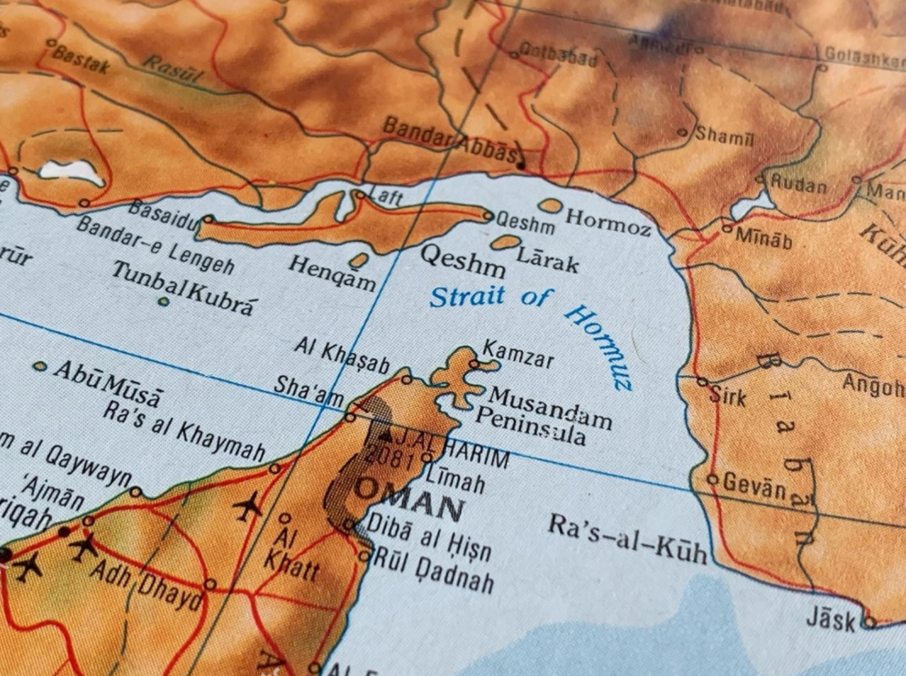
The global shipping industry is pushing back against former U.S. President Donald Trump’s proposal to impose tolls on commercial vessels passing through the Strait of Hormuz, warning that such a move could add uncertainty to one of the world’s most critical energy corridors. Industry groups argue that introducing additional transit charges during an already fragile geopolitical environment risks increasing freight costs, disrupting supply chains, and amplifying volatility across global commodity markets.
The proposal arrives as investors continue to monitor elevated tensions in the Middle East, where concerns over maritime security have already supported a geopolitical premium in crude oil prices.
Shipping Industry Sees Higher Costs and Greater Uncertainty
Shipping executives and maritime organizations argue that any unilateral toll imposed on vessels using the Strait of Hormuz could significantly increase operating expenses for tanker operators and commercial shipping companies. Those additional costs would likely be passed through the supply chain, affecting refiners, manufacturers, importers, and ultimately consumers.
The Strait of Hormuz is widely regarded as one of the world’s most important maritime chokepoints, connecting Persian Gulf producers with customers across Asia, Europe, and North America. Even relatively modest disruptions or increases in transportation costs can influence global pricing for crude oil, refined fuels, and LNG.
Energy Markets Could Face Additional Volatility
Financial markets remain highly sensitive to developments affecting global energy infrastructure. While the proposed toll has not been implemented and its legal or political feasibility remains uncertain, investors have increasingly incorporated geopolitical risk into energy pricing whenever concerns surrounding Hormuz intensify.
For energy-importing economies, including Israel, sustained increases in shipping costs or crude prices could place renewed pressure on inflation while raising operating costs across transportation, aviation, industrial manufacturing, and logistics sectors. Conversely, higher oil prices may provide temporary support for energy producers and companies with upstream exposure.
Investors Focus on Policy, Diplomacy, and Maritime Security
Beyond its immediate impact on shipping companies, the proposal highlights the growing intersection between geopolitics and financial markets. Institutional investors continue evaluating how political decisions could reshape trade flows, insurance premiums, freight rates, and commodity pricing.
Shipping insurers and logistics providers are also likely to monitor whether heightened political rhetoric translates into operational changes or whether diplomatic negotiations reduce regional tensions. Until greater clarity emerges, companies with significant exposure to international shipping may continue to price in elevated risk premiums.
Outlook: The outlook remains highly dependent on geopolitical developments rather than economic fundamentals alone. Investors should closely monitor any official policy announcements regarding maritime transit, developments in Middle East security, and reactions from major oil-producing nations. While the proposal may ultimately remain a negotiating position, any measure that alters the economics of the Strait of Hormuz could have meaningful implications for global energy markets, inflation expectations, shipping companies, and financial assets. For Israeli investors, continued vigilance is warranted as energy price volatility, currency fluctuations, and regional geopolitical dynamics remain closely interconnected.
Comparison, examination, and analysis between investment houses
Leave your details, and an expert from our team will get back to you as soon as possible
* This article, in whole or in part, does not contain any promise of investment returns, nor does it constitute professional advice to make investments in any particular field.
To read more about the full disclaimer, click here
- omer bar
- •
- 5 Min Read
- •
- ago 2 hours
SKN | Jim Cramer’s Top 10 Market Themes for Tuesday: What Investors Should Be Watching
Wall Street enters Tuesday's trading session with investors balancing optimism surrounding artificial intelligence and corporate earnings against persistent uncertainty
- ago 2 hours
- •
- 5 Min Read

Wall Street enters Tuesday's trading session with investors balancing optimism surrounding artificial intelligence and corporate earnings against persistent uncertainty

- orshu
- •
- 7 Min Read
- •
- ago 2 hours
SKN | U.S. Stocks Trade Higher as Weaker Dollar Supports Risk Appetite Ahead of Earnings Season
U.S. equity markets traded higher during Tuesday's session as investors positioned portfolios ahead of a wave of second-quarter earnings
- ago 2 hours
- •
- 7 Min Read
U.S. equity markets traded higher during Tuesday's session as investors positioned portfolios ahead of a wave of second-quarter earnings

- Ronny Mor
- •
- 7 Min Read
- •
- ago 5 hours
SKN | Will Middle East Tensions Push Oil Even Higher? Markets Brace for Supply Risks and Earnings Season
Global financial markets entered a more cautious phase as escalating conflict between the United States and Iran reignited concerns over
- ago 5 hours
- •
- 7 Min Read

Global financial markets entered a more cautious phase as escalating conflict between the United States and Iran reignited concerns over
- orshu
- •
- 8 Min Read
- •
- ago 8 hours
SKN | Tel Aviv Equities Rebound as TA-35 Leads Recovery While Market Breadth Remains Mixed
Tel Aviv financial markets are trading higher following recent selling pressure, with large-cap equities leading a selective recovery across the
- ago 8 hours
- •
- 8 Min Read

Tel Aviv financial markets are trading higher following recent selling pressure, with large-cap equities leading a selective recovery across the


