


- sagi habasov
- •
- 7 Min Read
- •
- 17 seconds ago
Key Points
- Gold has surged above $4,700, driven by geopolitical tensions and inflation concerns.
- Some forecasts see prices reaching $6,000+, but timelines vary widely.
- Volatility is rising, making gold both an opportunity and a risk asset.

Gold’s explosive rally has reignited one of the biggest questions in markets today: how high can it go—and how fast? With prices already surpassing $4,700 per ounce and up sharply over the past year, bullish forecasts are becoming increasingly aggressive. Yet while the long-term case for gold remains strong, expectations of a near-term surge to $6,000 may require a more nuanced analysis of macroeconomic forces and investor behavior.
What’s Driving Gold’s Current Surge?
Gold’s rally is rooted in a convergence of macro factors rather than a single catalyst. Inflation remains a key driver, as persistent price pressures erode purchasing power and push investors toward scarce assets. Historically, periods of elevated inflation have coincided with strong gold performance, reinforcing its role as a monetary hedge.
Geopolitical instability is adding another layer of demand. Ongoing conflict in the Middle East, alongside broader global tensions, has increased the appeal of safe-haven assets. At the same time, volatility in equities and rising energy prices are prompting portfolio reallocation toward defensive assets like gold.
Central bank buying is also playing a critical role. Continued accumulation by sovereign institutions signals a structural shift in reserve management, providing a steady demand base that supports higher price levels.
Can Gold Reach $6,000 in 2026?
Some of the most bullish projections suggest gold could exceed $6,000, with estimates as high as $6,300 in 2026. However, such targets are typically based on scenarios involving sustained inflation, prolonged geopolitical instability, and potential currency devaluation.
For gold to reach $6,000 within a short timeframe, multiple conditions would likely need to align simultaneously. These include a weakening U.S. dollar, aggressive monetary easing, and continued disruptions in global markets. Without these factors, the path to such levels may be more gradual than headline forecasts suggest.
From a market psychology perspective, extreme price targets often emerge during strong rallies, reflecting momentum-driven sentiment. While not impossible, they should be viewed within the context of broader macro dependencies rather than as base-case expectations.
Why Mining Stocks Could Amplify the Opportunity
As gold prices rise, mining stocks often act as leveraged plays on the underlying commodity. Companies such as major gold producers tend to experience disproportionate gains when prices increase, due to relatively fixed production costs.
This dynamic can create attractive opportunities for investors seeking higher returns—but it also introduces greater volatility. When gold prices correct, mining equities typically decline more sharply, reflecting their operational and cost sensitivities.
In the current environment, where gold remains elevated but volatile, mining stocks may appeal to investors with a higher risk tolerance and a longer investment horizon.
Rising Volatility Changes the Investment Playbook
One of the most notable shifts in the gold market is the increase in price volatility. Rapid swings—such as double-digit percentage moves within days—highlight how sensitive gold has become to macro headlines and shifting expectations.
This evolution challenges the traditional perception of gold as a stable store of value. While it remains a hedge over the long term, short-term price action is increasingly influenced by speculative flows and rapid sentiment changes.
Looking ahead, gold’s trajectory will depend on a delicate balance of inflation trends, central bank policy, and geopolitical developments. While the long-term outlook remains constructive, the path forward is unlikely to be linear. Investors should be prepared for continued volatility, recognizing that while $6,000 is within the realm of possibility, the timing—and the journey—will be far less predictable.
Comparison, examination, and analysis between investment houses
Leave your details, and an expert from our team will get back to you as soon as possible
* This article, in whole or in part, does not contain any promise of investment returns, nor does it constitute professional advice to make investments in any particular field.
To read more about the full disclaimer, click here
- sagi habasov
- •
- 6 Min Read
- •
- ago 6 hours
SKN | Iran’s Crypto Transit Proposal in Hormuz: Strategic Shift or Escalation Risk for Global Trade?
Iran has reportedly introduced a proposal to impose cryptocurrency-based fees on ships transiting the Strait of Hormuz during a
- ago 6 hours
- •
- 6 Min Read

Iran has reportedly introduced a proposal to impose cryptocurrency-based fees on ships transiting the Strait of Hormuz during a
- sagi habasov
- •
- 5 Min Read
- •
- ago 15 hours
SKN | Trump Announces Two-Week Ceasefire as Iran Commits to Safe Passage Through Strait of Hormuz
The announcement of a temporary ceasefire between the U.S. and Iran marks a notable de-escalation in the Gulf region, signaling
- ago 15 hours
- •
- 5 Min Read
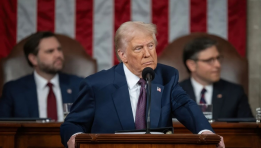
The announcement of a temporary ceasefire between the U.S. and Iran marks a notable de-escalation in the Gulf region, signaling

- Lior mor
- •
- 5 Min Read
- •
- ago 17 hours
SKN | Gold Prices Surge After Trump Announces Two-Week Ceasefire in Iran
Gold prices rose notably after former U.S. President Donald Trump agreed to a two-week ceasefire with Iran, easing immediate geopolitical
- ago 17 hours
- •
- 5 Min Read

Gold prices rose notably after former U.S. President Donald Trump agreed to a two-week ceasefire with Iran, easing immediate geopolitical

- omer bar
- •
- 7 Min Read
- •
- ago 18 hours
SKN | Oil Falls Below $100 After Trump Announces Two-Week Ceasefire — What It Signals for Energy Markets
Oil prices retreated below the psychologically important $100-per-barrel threshold after former U.S. President Donald Trump announced a proposed two-week ceasefire
- ago 18 hours
- •
- 7 Min Read

Oil prices retreated below the psychologically important $100-per-barrel threshold after former U.S. President Donald Trump announced a proposed two-week ceasefire


