





- omer bar
- •
- 7 Min Read
- •
- 1 day ago
Key Points
- SpaceX has launched its first-ever senior unsecured bond offering shortly after completing a record-breaking IPO.
- The company disclosed approximately $100.8 billion in cash while seeking additional capital to refinance bridge loans and support expansion plans.
- Investors are closely watching whether SpaceX's aggressive AI and space infrastructure ambitions can justify its rapidly growing valuation.
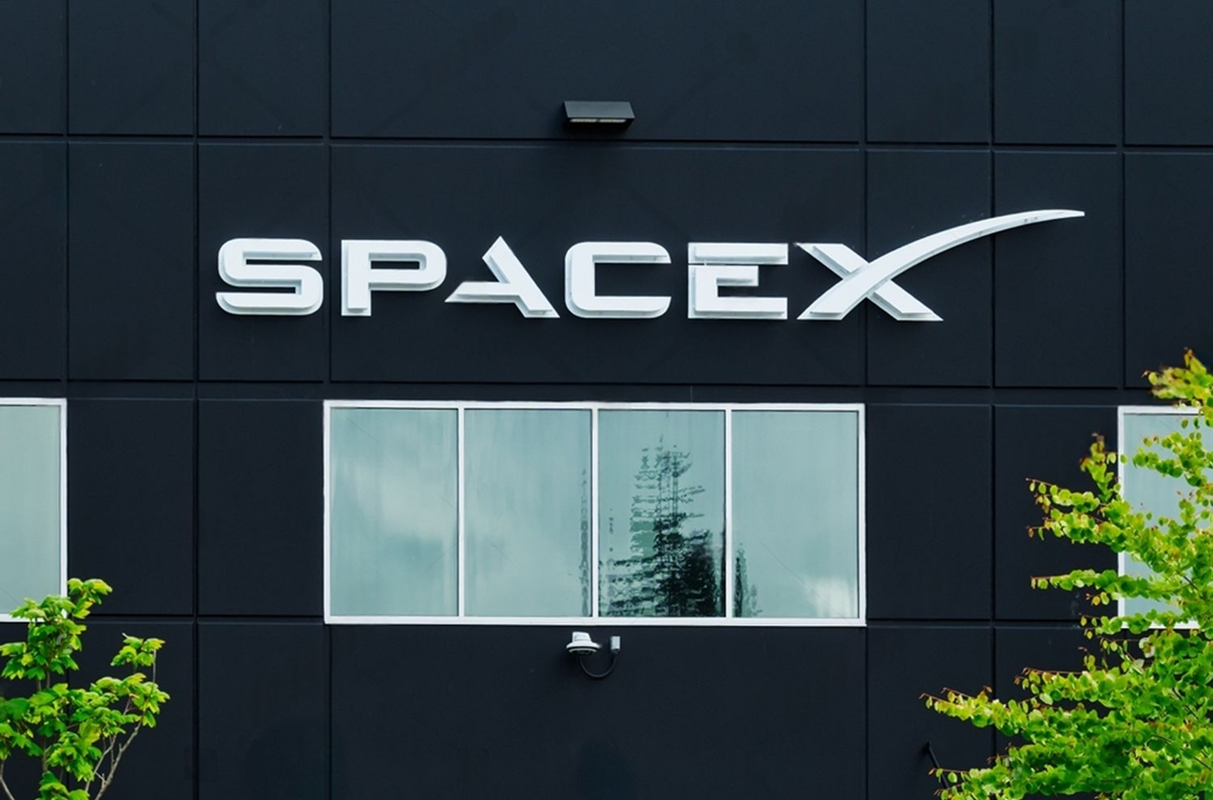
Days after completing the largest initial public offering in market history, SpaceX has returned to capital markets with its inaugural bond sale, highlighting the extraordinary scale of its long-term ambitions. While the company revealed that it holds approximately $100.8 billion in cash, management is simultaneously seeking additional financing through a senior unsecured notes offering. The move underscores a growing trend among technology giants: preserving liquidity while aggressively funding next-generation infrastructure projects that could require hundreds of billions of dollars over the coming decade.
Why SpaceX Is Returning to Capital Markets
According to company disclosures, proceeds from the bond offering will primarily be used to repay bridge financing and support general corporate purposes. While raising debt despite holding a substantial cash position may appear counterintuitive, it reflects a common strategy among large growth companies seeking to optimize capital allocation while maintaining financial flexibility.
Following its blockbuster IPO, SpaceX briefly surpassed several of the world’s largest publicly traded companies in market value, including major technology and industrial firms. The company’s ability to access both equity and debt markets provides management with multiple financing channels as it pursues capital-intensive projects. By refinancing short-term bridge loans with longer-duration debt, SpaceX can reduce financing uncertainty while preserving cash reserves for strategic investments.
Investors often view such actions as a signal that management expects significant future capital requirements, particularly when large-scale infrastructure deployment remains a central component of the growth strategy.
The AI Infrastructure Race Requires Massive Capital
The bond offering arrives as SpaceX accelerates one of the most ambitious artificial intelligence buildout programs in the technology sector. The company has been investing heavily in AI computing infrastructure, data centers, and advanced machine learning capabilities designed to support future applications across multiple business segments.
Unlike software-driven AI companies that rely largely on cloud providers, SpaceX is pursuing a vertically integrated model that requires enormous physical infrastructure investments. These projects involve high-performance computing systems, advanced semiconductor procurement, energy-intensive facilities, and long-term research initiatives that can consume capital at an unprecedented pace.
Adding to the complexity are structural bottlenecks across the broader AI ecosystem. Regional power grid limitations, semiconductor supply constraints, and lengthy data center construction timelines continue to slow deployment across the industry. These physical limitations may delay the pace of AI adoption while simultaneously increasing the value of companies capable of securing infrastructure capacity ahead of competitors.
Balancing Investor Expectations and Long-Term Vision
Despite its strong market debut, SpaceX shares declined approximately 8% following news of the bond offering, suggesting some investors remain cautious about the company’s spending trajectory. The market’s reaction highlights a growing debate surrounding high-growth technology firms: whether future opportunities justify substantial capital expenditures before profits fully materialize.
At the same time, SpaceX’s strategy extends beyond conventional terrestrial infrastructure. The company has discussed long-term plans involving space-based data centers, a concept that could redefine how AI computing resources are deployed globally. While such initiatives remain speculative and technically challenging, they reinforce the company’s reputation for pursuing projects that operate on multi-decade time horizons rather than quarterly earnings cycles.
Looking ahead, investors will closely monitor how effectively SpaceX converts its vast financial resources into sustainable competitive advantages. The company’s success may ultimately depend not only on technological innovation but also on its ability to navigate infrastructure bottlenecks, secure computing capacity, and deliver measurable returns on one of the largest capital deployment programs ever undertaken by a public technology company.
Comparison, examination, and analysis between investment houses
Leave your details, and an expert from our team will get back to you as soon as possible
* This article, in whole or in part, does not contain any promise of investment returns, nor does it constitute professional advice to make investments in any particular field.
To read more about the full disclaimer, click here
- sagi habasov
- •
- 7 Min Read
- •
- ago 32 minutes
SKN | Health Catalyst’s Q1 Results Highlight Opportunities and Challenges Across the Data Analytics Sector
The first-quarter earnings season provided fresh insight into the evolving landscape of data analytics companies, with Health Catalyst (NASDAQ:
- ago 32 minutes
- •
- 7 Min Read

The first-quarter earnings season provided fresh insight into the evolving landscape of data analytics companies, with Health Catalyst (NASDAQ:

- Ronny Mor
- •
- 7 Min Read
- •
- ago 37 minutes
SKN | Nvidia Expands Into Biomedical AI — Could Healthcare Become the Next Major Growth Engine?
Nvidia is deepening its presence in one of artificial intelligence’s most promising frontiers: biomedical research. The company announced the BioNeMo
- ago 37 minutes
- •
- 7 Min Read
Nvidia is deepening its presence in one of artificial intelligence’s most promising frontiers: biomedical research. The company announced the BioNeMo
- Ronny Mor
- •
- 7 Min Read
- •
- ago 50 minutes
SKN | AI Trade Pauses as Nvidia, AMD, and Micron Lead Technology Sector Pullback
After dominating equity market performance for much of the past year, the artificial intelligence investment theme faced a notable
- ago 50 minutes
- •
- 7 Min Read

After dominating equity market performance for much of the past year, the artificial intelligence investment theme faced a notable
- sagi habasov
- •
- 7 Min Read
- •
- ago 3 hours
SKN | Oracle Cuts 21,000 Jobs as AI Spending Surges — Is the Tech Industry Entering a New Workforce Era?
Oracle’s latest workforce reduction highlights a growing transformation unfolding across the technology sector as companies redirect resources toward artificial intelligence
- ago 3 hours
- •
- 7 Min Read

Oracle’s latest workforce reduction highlights a growing transformation unfolding across the technology sector as companies redirect resources toward artificial intelligence


