





- sagi habasov
- •
- 7 Min Read
- •
- 13 seconds ago


Key Points
- Oil prices edged higher for a fourth consecutive session as uncertainty over crude exports through the Strait of Hormuz continued to support prices.
- Brent crude rose to around $91.28 a barrel, while West Texas Intermediate traded near $85.31 as markets assessed conflicting signals over shipping conditions.
- Investors are monitoring regional diplomacy, tanker traffic, alternative export routes and global oil demand as the disruption continues to influence energy markets and inflation expectations.
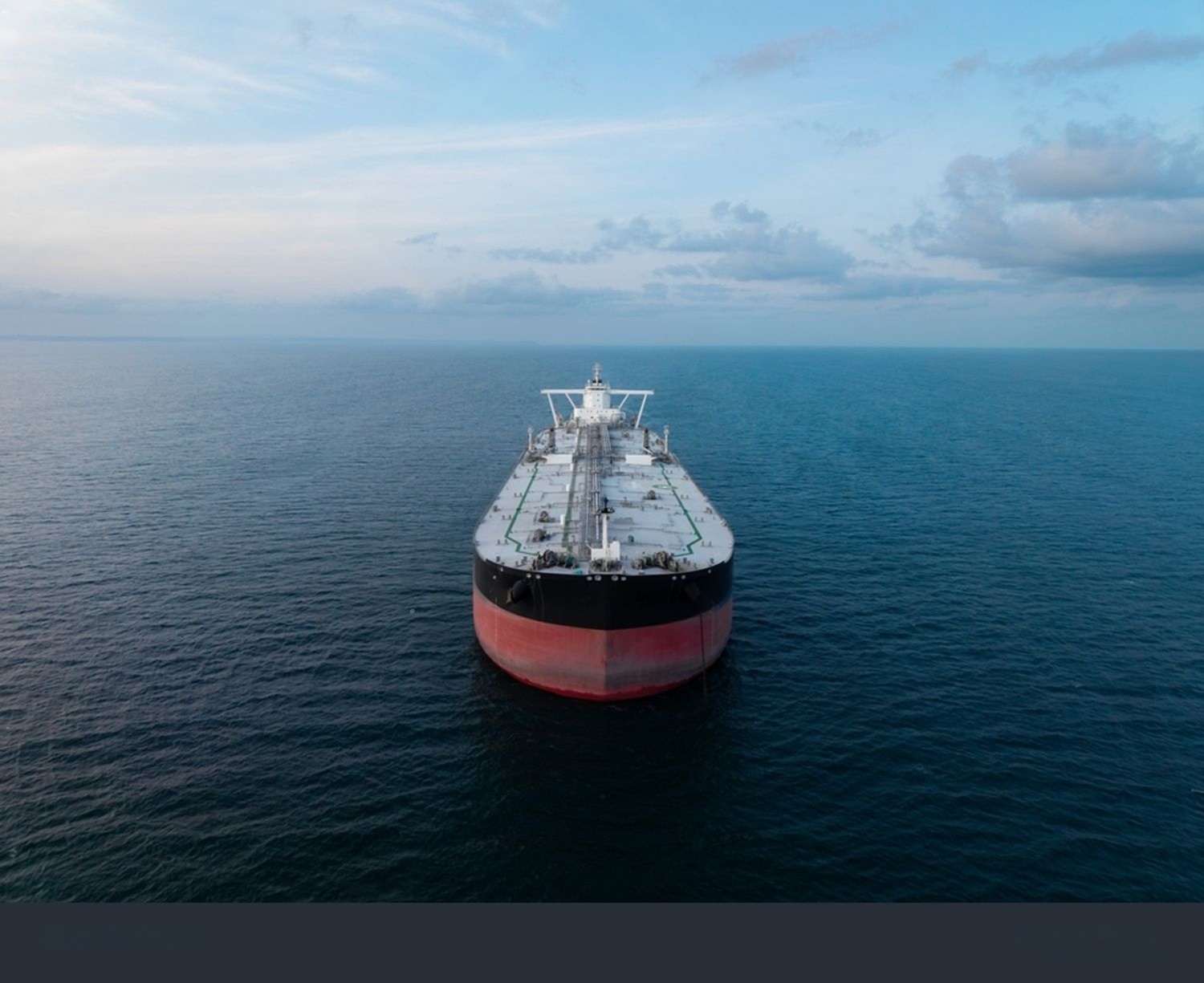
Oil prices moved modestly higher as uncertainty over crude exports through the Strait of Hormuz kept supply concerns at the forefront of global energy markets. The latest gains reflect conflicting signals regarding whether the strategic waterway is operating normally, leaving traders to balance the risk of prolonged disruptions against weaker global demand expectations.
Hormuz Uncertainty Keeps a Geopolitical Premium in Oil
Brent crude futures rose 26 cents, or 0.29%, to approximately $91.28 a barrel, while U.S. West Texas Intermediate crude gained 37 cents, or 0.44%, to about $85.31. The increase marked a fourth consecutive session of gains as investors assessed uncertainty surrounding shipping through the Strait of Hormuz.
The waterway is a critical route for global energy supplies, making any sustained reduction in tanker traffic significant for crude markets. Recent shipping data has shown activity remaining well below normal levels, with only a limited number of commodity vessels passing through the strait. The uncertainty itself can support prices by encouraging traders to factor a higher geopolitical risk premium into crude contracts.
Alternative Export Routes Offer Only Partial Relief
Oil producers and governments in the region have been exploring alternative methods of moving crude as restrictions on Hormuz traffic continue. Saudi Arabia has resumed some crude loadings inside the strait and has also used ship-to-ship transfers near the United Arab Emirates, while other producers have considered routes that bypass the waterway.
These alternatives can reduce some of the pressure on global supply, but they cannot fully replace the capacity and efficiency of normal Hormuz operations. Longer shipping distances, higher freight costs and limited pipeline capacity can restrict the amount of crude that can be redirected.
For Israeli investors following global commodities markets, the situation illustrates how a disruption at a strategically important energy chokepoint can affect asset prices well beyond the Middle East. Oil prices influence transportation costs, industrial activity, inflation expectations and monetary-policy considerations across major economies.
Demand Outlook Creates a Counterweight to Supply Risks
Supply concerns are developing alongside a more complicated global demand outlook. The International Energy Agency has lowered its expectations for global oil demand growth, with higher energy costs and weaker economic activity potentially limiting consumption. This creates a counterweight to the supply risks generated by reduced shipping through Hormuz.
The balance between these forces will be important for prices. A prolonged disruption could tighten physical crude availability and push prices higher, while weaker economic growth could eventually reduce consumption and limit the upside. Refining margins and fuel prices will also provide important signals because disruptions to transportation can affect refined products even when crude inventories remain relatively adequate.
For global markets, sustained higher oil prices could also complicate the inflation outlook. Energy costs feed into transportation and production expenses, potentially influencing central-bank decisions and financial-market expectations.
Going forward, investors will focus on tanker traffic through the Strait of Hormuz, regional export volumes, diplomatic developments and the availability of alternative supply routes. A sustained improvement in shipping activity could reduce the geopolitical premium in crude, while further disruptions could tighten supplies and push prices higher. The direction of global demand, inventories and refined-fuel markets will determine whether the current rise in oil prices develops into a broader trend or remains primarily driven by geopolitical uncertainty.
Comparison, examination, and analysis between investment houses
Leave your details, and an expert from our team will get back to you as soon as possible
* This article, in whole or in part, does not contain any promise of investment returns, nor does it constitute professional advice to make investments in any particular field.
To read more about the full disclaimer, click here
- Lior mor
- •
- 6 Min Read
- •
- ago 36 minutes
SKN | Gold Edges Higher as Investors Await Fed Minutes for Rate-Cut Signals
Gold prices edged higher as investors turned their attention to the Federal Reserve’s meeting minutes, seeking further clues about the
- ago 36 minutes
- •
- 6 Min Read

Gold prices edged higher as investors turned their attention to the Federal Reserve’s meeting minutes, seeking further clues about the

- Arik Arkadi Sluzki
- •
- 6 Min Read
- •
- ago 5 hours
SKN | Oil Prices Reach Three-Week High as US-Iran Tensions Increase Supply Risks
Oil prices climbed to their highest level in more than three weeks on Tuesday as fading expectations for a
- ago 5 hours
- •
- 6 Min Read

Oil prices climbed to their highest level in more than three weeks on Tuesday as fading expectations for a

- omer bar
- •
- 6 Min Read
- •
- ago 1 day
SKN | Oil Prices Rise as U.S.-Iran Peace Hopes Fade and Supply Risks Mount
Oil prices moved higher as deteriorating prospects for a U.S.-Iran peace agreement renewed concerns about global energy supplies. The latest
- ago 1 day
- •
- 6 Min Read

Oil prices moved higher as deteriorating prospects for a U.S.-Iran peace agreement renewed concerns about global energy supplies. The latest
- omer bar
- •
- 6 Min Read
- •
- ago 1 day
SKN | China’s Oil Throughput Shows First Monthly Recovery Since Iran War, but Demand Remains Weak
China’s crude oil processing activity showed a modest recovery in July, providing an early sign that the world’s largest
- ago 1 day
- •
- 6 Min Read
China’s crude oil processing activity showed a modest recovery in July, providing an early sign that the world’s largest

