





- omer bar
- •
- 6 Min Read
- •
- 19 hours ago


Key Points
- Oil prices climbed as prospects for a lasting U.S.-Iran peace agreement weakened, increasing concerns over prolonged supply disruptions.
- Brent crude rose to around $91 a barrel, while WTI approached $85 as shipping activity through the Strait of Hormuz remained severely constrained.
- The renewed geopolitical risk could affect inflation, transportation costs and monetary-policy expectations if disruptions to global energy flows persist.
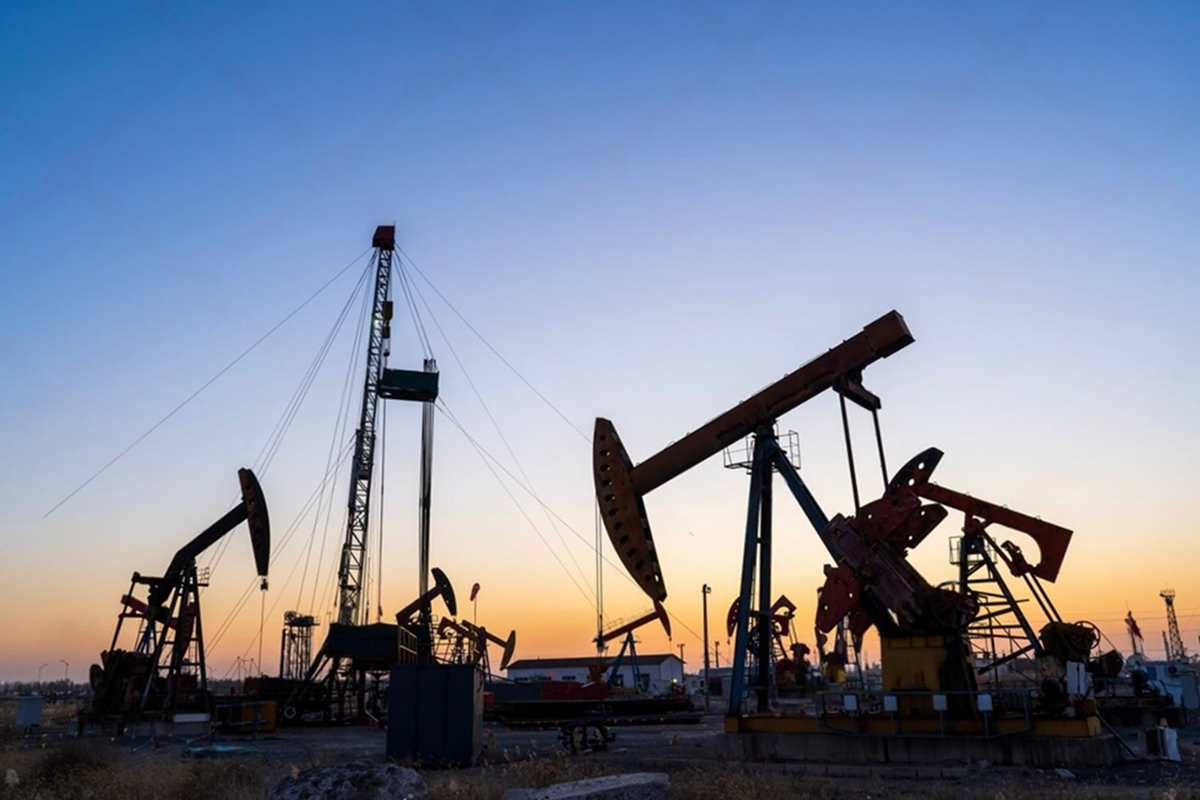
Oil prices moved higher as deteriorating prospects for a U.S.-Iran peace agreement renewed concerns about global energy supplies. The latest move highlights the sensitivity of commodities markets to geopolitical developments, particularly when uncertainty surrounds the Strait of Hormuz, a critical route for international oil shipments.
Fading Peace Hopes Put Supply Back in Focus
The latest gains followed a sharp deterioration in diplomatic expectations between Washington and Tehran. Iran announced that it would adopt a fully offensive military posture after negotiations failed to produce a lasting agreement, while the United States declined to extend a temporary ceasefire.
The lack of diplomatic progress has increased expectations that disruptions to regional energy flows could continue. For oil markets, the concern is not only whether production facilities are affected, but also whether crude can be transported efficiently from the Middle East to international buyers.
Brent crude reached approximately $91.14 a barrel, while U.S. West Texas Intermediate crude climbed to around $85.04. Both benchmarks reached their highest levels since late July, reflecting a renewed geopolitical risk premium in energy markets.
Strait of Hormuz Becomes a Critical Market Variable
The Strait of Hormuz remains central to the oil market outlook because of its importance to global energy transportation. Shipping activity through the waterway has fallen sharply, with only a small number of tankers passing through during recent periods compared with significantly higher traffic previously.
Prolonged disruption could create difficulties for producers, refiners and consumers even if physical oil production remains available. Delays in tanker movements can tighten regional inventories and increase transportation and insurance costs, adding pressure to refined fuel markets.
The situation also creates uncertainty for Asian economies, which rely heavily on Middle Eastern energy supplies. Any sustained reduction in shipments could therefore affect refinery operations, fuel prices and broader industrial activity across major importing economies.
Oil, Inflation and Global Markets
For Israeli investors following global commodities markets, the increase in oil prices is relevant beyond the energy sector. Higher crude prices can feed into gasoline, diesel, aviation fuel and petrochemical costs, potentially increasing inflationary pressure across major economies.
Central banks could also face a more complicated policy environment if energy prices remain elevated. A persistent rise in fuel costs could slow the progress of disinflation while simultaneously weighing on consumer purchasing power and economic growth. Equity markets may also become more sensitive to developments in oil prices if higher energy costs begin to affect corporate margins.
Going forward, investors will closely monitor U.S.-Iran diplomatic efforts, tanker traffic through the Strait of Hormuz, regional production and broader OPEC+ supply policy. A renewed diplomatic agreement and normalization of shipping could ease the geopolitical premium in crude prices, while further escalation or prolonged disruption could keep oil elevated and increase pressure on inflation and global economic activity.
Comparison, examination, and analysis between investment houses
Leave your details, and an expert from our team will get back to you as soon as possible
* This article, in whole or in part, does not contain any promise of investment returns, nor does it constitute professional advice to make investments in any particular field.
To read more about the full disclaimer, click here
- omer bar
- •
- 6 Min Read
- •
- ago 22 hours
SKN | China’s Oil Throughput Shows First Monthly Recovery Since Iran War, but Demand Remains Weak
China’s crude oil processing activity showed a modest recovery in July, providing an early sign that the world’s largest
- ago 22 hours
- •
- 6 Min Read

China’s crude oil processing activity showed a modest recovery in July, providing an early sign that the world’s largest
- omer bar
- •
- 6 Min Read
- •
- ago 24 hours
SKN | NexGen Energy Seeks $1 Billion to Advance Major Uranium Project as BHP Talks Continue
NexGen Energy is moving into a critical financing phase for its Rook I uranium project in Saskatchewan's Athabasca Basin,
- ago 24 hours
- •
- 6 Min Read

NexGen Energy is moving into a critical financing phase for its Rook I uranium project in Saskatchewan's Athabasca Basin,

- Lior mor
- •
- 5 Min Read
- •
- ago 3 days
SKN | Silver Prices Retreat as Citi Doubles Down on Long-Term Outlook Amid Market Volatility
Silver markets are undergoing a period of adjustment after a significant price advance, with investors reassessing positions following recent
- ago 3 days
- •
- 5 Min Read

Silver markets are undergoing a period of adjustment after a significant price advance, with investors reassessing positions following recent

- sagi habasov
- •
- 7 Min Read
- •
- ago 3 days
SKN | Arizona Gold & Silver Expands Confidence in Perry Zone After Strong Drilling Results
Arizona Gold & Silver Inc. has released new drilling results from its Perry Zone at the Philadelphia Gold-Silver Project
- ago 3 days
- •
- 7 Min Read
Arizona Gold & Silver Inc. has released new drilling results from its Perry Zone at the Philadelphia Gold-Silver Project

