





- Arik Arkadi Sluzki
- •
- 6 Min Read
- •
- 4 hours ago
Key Points
- Jabil advanced nearly 5% after UBS upgraded the stock, citing continued exposure to AI-related infrastructure spending.
- AppLovin fell 5.3% after Bank of America downgraded the shares, while Upwork plunged 13% following weaker-than-expected profit guidance.
- SpaceX declined 4.7%, highlighting the sensitivity of high-growth and newly public companies to valuation and earnings expectations.

U.S. equities entered the week with investors balancing continued enthusiasm around artificial intelligence against renewed concerns about inflation and stretched valuations. The latest moves across Jabil, AppLovin, Apollo Global Management, SpaceX and Upwork illustrate how sharply stock-specific catalysts can diverge even while the broader market remains focused on the same macro variables, particularly inflation, interest rates and the outlook for corporate earnings.
AI Infrastructure Continues to Attract Capital
Among the notable gainers, Jabil rose 4.9% to $353.50 after UBS upgraded the company to Buy from Neutral while maintaining a $430 price target. The bank argued that Jabil could continue benefiting from substantial spending by major technology companies on AI infrastructure.
The move reflects a broader market preference for companies positioned to participate in the physical infrastructure supporting AI adoption rather than only the software layer. However, the sustainability of this trend remains dependent on continued capital expenditure by hyperscalers and technology companies. A slowdown in AI spending, supply-chain normalization or a reassessment of investment returns could introduce downside pressure to companies priced around strong future demand.
AppLovin and Upwork Highlight the Other Side of AI Exposure
The performance of AppLovin and Upwork offered a more cautious counterpoint. AppLovin declined 5.3% after Bank of America downgraded the stock to Neutral from Buy and reduced its price target to $400 from $430.
Upwork’s decline was considerably sharper. Shares fell 13% after the company issued a weaker profit outlook for the current quarter and reduced its full-year earnings forecast to $1.38–$1.43 per share, from $1.50–$1.55 previously. The reaction underscores concerns about how artificial intelligence is reshaping demand for traditional freelance services.
For investors, the contrast is significant: AI can simultaneously create demand for infrastructure while challenging established digital business models. That divergence makes earnings quality and competitive positioning increasingly important.
SpaceX and Private-Market Valuations Face Greater Scrutiny
SpaceX also came under pressure, falling 4.7% and interrupting a three-session rebound that had lifted the stock by roughly 28%. The decline illustrates the volatility surrounding newly public high-growth companies, where expectations can shift rapidly when earnings, valuation and future growth assumptions are reassessed.
Apollo Global Management remains another important indicator of the evolving private-capital environment. Its business is closely linked to private equity, private credit and alternative assets, areas that could benefit from continued institutional demand but remain sensitive to interest rates, financing conditions and asset valuations. Apollo’s recent corporate activity also includes its role in large-scale financing initiatives tied to AI infrastructure.
Looking ahead, the outlook for U.S. equities is likely to remain highly selective rather than uniformly bullish. The immediate focus is on the inflation data expected this week and its implications for monetary policy, while investors will continue evaluating whether AI-related spending can translate into durable earnings growth. For global and Israeli investors, valuation discipline, interest-rate sensitivity, currency volatility and geopolitical risk premiums will remain important variables. The market’s ability to absorb disappointing guidance without broader contagion could provide an important signal about underlying risk appetite as the week develops.
Comparison, examination, and analysis between investment houses
Leave your details, and an expert from our team will get back to you as soon as possible
* This article, in whole or in part, does not contain any promise of investment returns, nor does it constitute professional advice to make investments in any particular field.
To read more about the full disclaimer, click here
- orshu
- •
- 6 Min Read
- •
- ago 2 hours
SKN | FTSE 100 Slips as Insurers and Spirax Weigh on London Stocks
London's equity market weakened for a second consecutive session on Tuesday as pressure on insurers and a sharp decline
- ago 2 hours
- •
- 6 Min Read
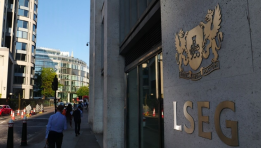
London's equity market weakened for a second consecutive session on Tuesday as pressure on insurers and a sharp decline

- Arik Arkadi Sluzki
- •
- 6 Min Read
- •
- ago 2 hours
SKN | OpenAI Executive Brad Lightcap to Leave as AI Giant Prepares for Its Next Phase
Senior OpenAI executive Brad Lightcap said Tuesday that he will leave the company to pursue a new venture, adding
- ago 2 hours
- •
- 6 Min Read

Senior OpenAI executive Brad Lightcap said Tuesday that he will leave the company to pursue a new venture, adding

- omer bar
- •
- 6 Min Read
- •
- ago 3 hours
SKN | Wall Street Falls as U.S.-Iran Tensions Weigh on Markets and Lift Oil Prices
Wall Street moved lower on Tuesday as fading optimism over a potential U.S.-Iran agreement increased concern about the outlook
- ago 3 hours
- •
- 6 Min Read

Wall Street moved lower on Tuesday as fading optimism over a potential U.S.-Iran agreement increased concern about the outlook

- sagi habasov
- •
- 6 Min Read
- •
- ago 9 hours
SKN | Can AI Investment Momentum Offset Rising Oil and Policy Risks for Global Markets?
Global markets entered the week facing a sharp contrast between the continuing expansion of the AI investment cycle and
- ago 9 hours
- •
- 6 Min Read

Global markets entered the week facing a sharp contrast between the continuing expansion of the AI investment cycle and


