





- omer bar
- •
- 6 Min Read
- •
- 2 hours ago
Key Points
- U.S. equities declined as optimism over a potential U.S.-Iran agreement faded, increasing uncertainty around the Strait of Hormuz.
- The S&P 500 fell 0.35%, the Nasdaq declined 0.74%, and the Dow Jones Industrial Average dropped 0.22%.
- Rising geopolitical uncertainty and higher oil prices are adding another risk factor for investors already assessing corporate earnings and economic policy expectations.
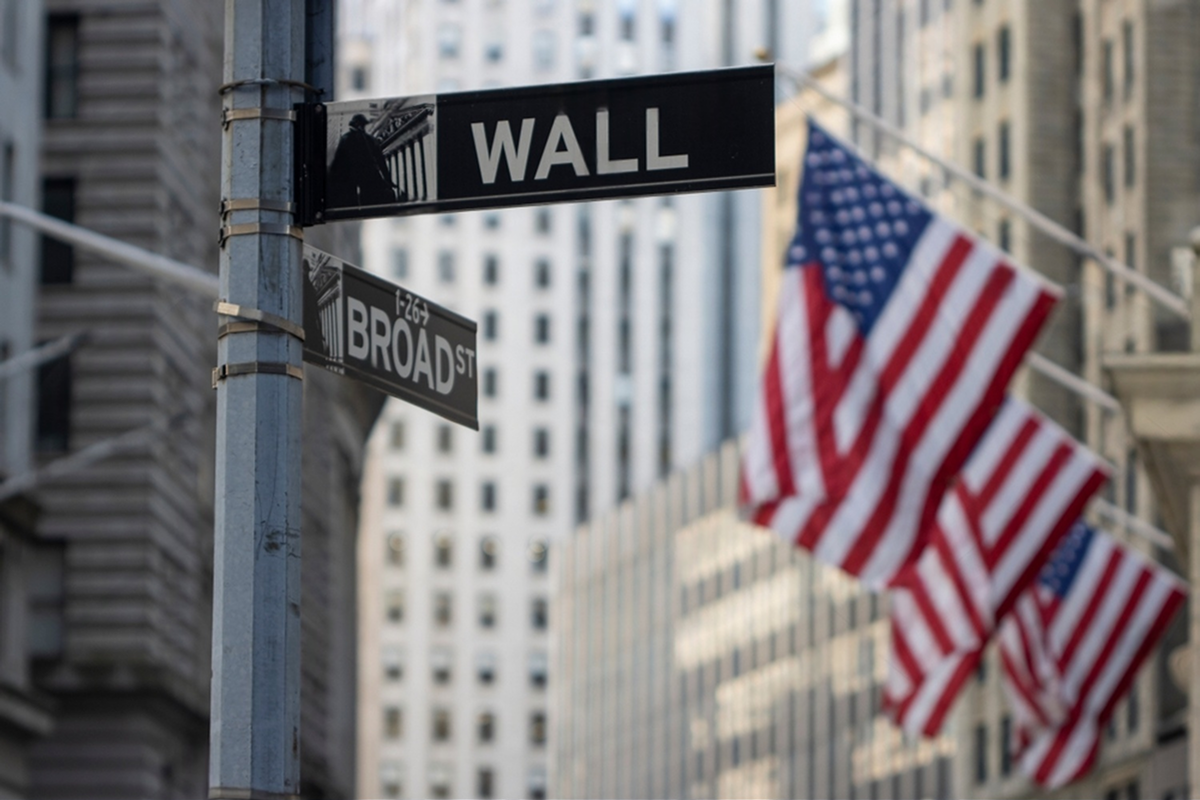
Wall Street moved lower on Tuesday as fading optimism over a potential U.S.-Iran agreement increased concern about the outlook for the Middle East and global energy markets. The S&P 500 fell 0.35%, while the Nasdaq declined 0.74% and the Dow Jones Industrial Average slipped 0.22%, reflecting a more cautious tone as investors reassessed geopolitical and commodity-market risks.
The latest deterioration in sentiment centered on the Strait of Hormuz, a critical shipping route for global energy markets. Iranian officials indicated that the waterway would remain closed unless Washington changed its position and accepted Tehran’s conditions for ending the conflict, reducing expectations of an imminent resolution.
Geopolitical Uncertainty Pressures U.S. Equities
The renewed uncertainty over U.S.-Iran negotiations introduced another source of volatility for U.S. stocks. Investors had previously responded positively to expectations that an agreement could improve shipping conditions and reduce pressure on oil markets, but that optimism weakened as the two sides remained divided over the conditions required to restore stability.
The decline was particularly visible in technology-oriented equities, with the Nasdaq falling 0.74%. Amazon and Alphabet were among the large technology companies weighing on the index, highlighting how geopolitical developments can influence broader risk appetite even when the immediate impact on individual technology businesses is limited.
Oil Prices Become a Key Transmission Channel
Energy markets remain central to the market reaction because uncertainty surrounding the Strait of Hormuz has direct implications for global oil transportation. A prolonged disruption could keep crude prices elevated, potentially increasing costs for consumers and businesses while complicating the inflation outlook for major economies.
For equity investors, higher energy prices create a two-sided effect. Energy producers can benefit from stronger commodity prices, while transportation, manufacturing and consumer-facing companies can face higher operating costs. More persistent oil-price pressure could also influence expectations for central-bank policy if it begins to feed into broader inflation measures.
Company-Specific Developments Add to Market Volatility
Geopolitical concerns were not the only factor influencing individual stocks. Sportswear company On fell sharply following its second-quarter results, while Rocket Lab declined amid concerns about a potential delay to the debut of its Neutron rocket. These company-specific moves demonstrate that investors were simultaneously weighing corporate execution and earnings-related risks alongside the broader macroeconomic environment.
The combination creates a more selective market backdrop. While major indexes remain influenced by large-cap technology companies, individual earnings reports and operational developments can produce significant divergences within sectors. For sophisticated investors, the interaction between corporate fundamentals and external risks remains an important factor in assessing market breadth and volatility.
Looking ahead, markets are likely to remain sensitive to developments around the Strait of Hormuz, oil prices and the direction of U.S.-Iran negotiations. Any evidence of progress could ease the geopolitical risk premium and support risk assets, while continued disruption could place further pressure on equities through higher energy costs and renewed inflation concerns. Investors will also be watching corporate earnings, economic data and central-bank expectations to determine whether the latest weakness represents a temporary reaction to geopolitical uncertainty or a broader shift in market risk appetite.
Comparison, examination, and analysis between investment houses
Leave your details, and an expert from our team will get back to you as soon as possible
* This article, in whole or in part, does not contain any promise of investment returns, nor does it constitute professional advice to make investments in any particular field.
To read more about the full disclaimer, click here
- orshu
- •
- 8 Min Read
- •
- ago 13 minutes
SKN | Wall Street Pauses Near Record Highs as Volatility Rises and Small Caps Lead Declines
U.S. equity markets entered a period of consolidation as investors paused following the strong rally that pushed major benchmarks toward
- ago 13 minutes
- •
- 8 Min Read

U.S. equity markets entered a period of consolidation as investors paused following the strong rally that pushed major benchmarks toward

- sagi habasov
- •
- 7 Min Read
- •
- ago 44 minutes
SKN | AI Hyperscalers Disrupt Earnings Season as Post-Results Stock Swings Surge
The latest U.S. earnings season is challenging a long-standing pattern in equity markets, with AI companies and hyperscalers generating
- ago 44 minutes
- •
- 7 Min Read

The latest U.S. earnings season is challenging a long-standing pattern in equity markets, with AI companies and hyperscalers generating
- orshu
- •
- 6 Min Read
- •
- ago 1 hour
SKN | FTSE 100 Slips as Insurers and Spirax Weigh on London Stocks
London's equity market weakened for a second consecutive session on Tuesday as pressure on insurers and a sharp decline
- ago 1 hour
- •
- 6 Min Read
London's equity market weakened for a second consecutive session on Tuesday as pressure on insurers and a sharp decline

- Arik Arkadi Sluzki
- •
- 6 Min Read
- •
- ago 1 hour
SKN | OpenAI Executive Brad Lightcap to Leave as AI Giant Prepares for Its Next Phase
Senior OpenAI executive Brad Lightcap said Tuesday that he will leave the company to pursue a new venture, adding
- ago 1 hour
- •
- 6 Min Read

Senior OpenAI executive Brad Lightcap said Tuesday that he will leave the company to pursue a new venture, adding


