





- sagi habasov
- •
- 6 Min Read
- •
- 10 hours ago
Key Points
- NVIDIA has moved beyond its traditional chipmaking role by helping establish financing platforms designed to mobilize more than $500 billion in third-party capital for AI infrastructure.
- The U.S. Strategic Petroleum Reserve has fallen below 300 million barrels for the first time since 1983, while Brent crude has climbed back toward $88 a barrel.
- President Donald Trump’s latest childhood vaccine executive order adds another layer of policy uncertainty for healthcare and pharmaceutical markets.
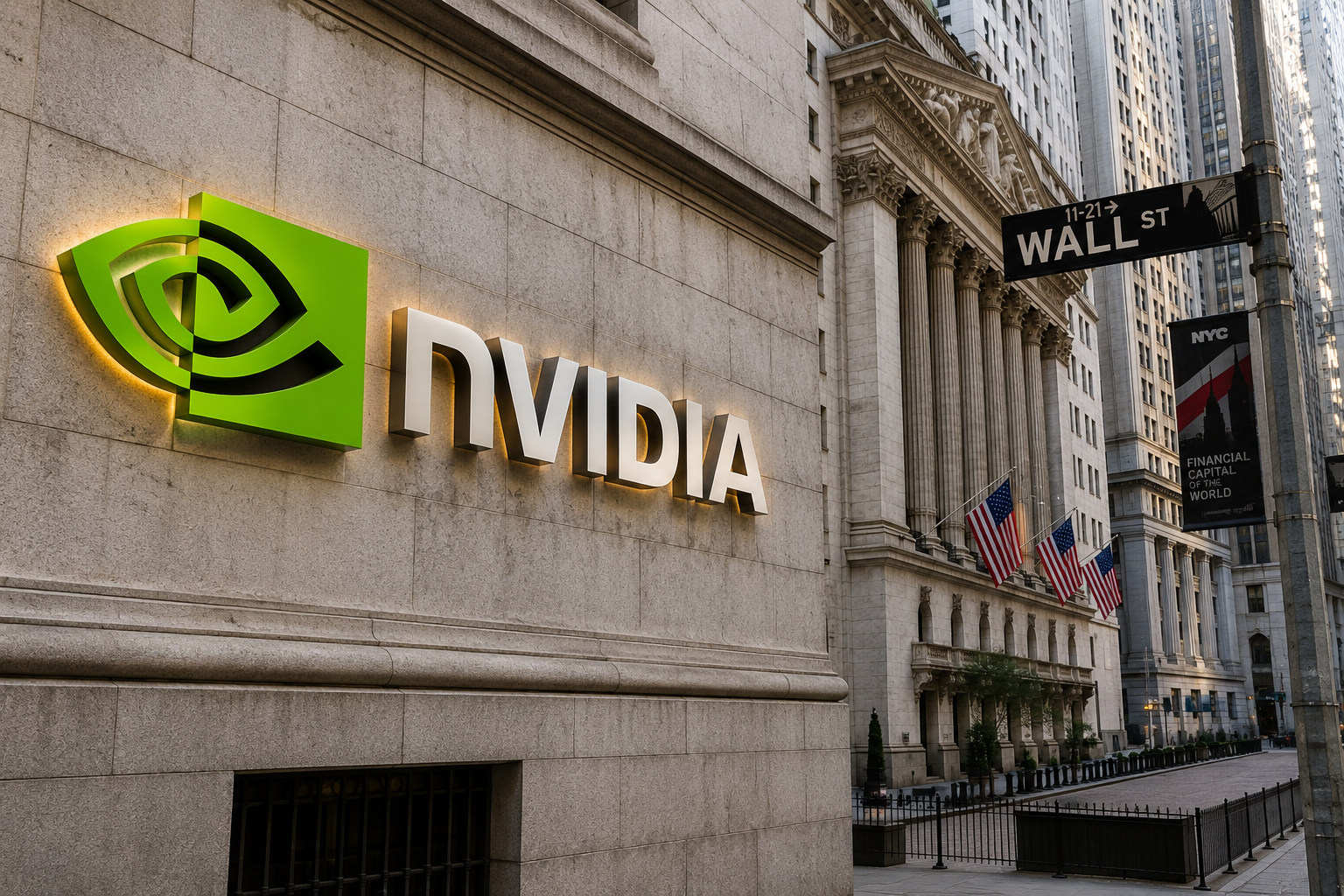
Global markets entered the week facing a sharp contrast between the continuing expansion of the AI investment cycle and renewed pressure from energy and geopolitical risks. NVIDIA’s latest financing initiative points to a potentially important evolution in how AI infrastructure is funded, while higher oil prices, depleted U.S. emergency reserves and shifting healthcare policy highlight the risks that could challenge the broader risk-on environment.
NVIDIA Pushes AI Infrastructure Toward a New Financing Model
NVIDIA announced partnerships with Apollo, BlackRock, Blackstone, Brookfield, Goldman Sachs and KKR aimed at mobilizing more than $500 billion of third-party capital for AI infrastructure over time. The company describes its computing infrastructure as an investable asset class, arguing that AI factories can generate long-duration revenue through a combination of hardware, software and continuing demand for computing capacity.
The development is significant because it potentially broadens AI financing beyond corporate capital expenditure. However, the scale of the headline number should be interpreted carefully. The $500 billion represents capital that the platforms are intended to mobilize over time, rather than NVIDIA receiving $500 billion in funding or revenue. The distinction is important for institutional investors assessing the sustainability of the AI capital cycle.
Oil Supply Risks Re-enter the Macro Narrative
Energy markets are presenting a more immediate macroeconomic challenge. The U.S. Strategic Petroleum Reserve fell by about 6.1 million barrels to 298.7 million barrels, its lowest level since January 1983. The decline comes after extensive releases intended to cushion the market from disruptions linked to the Iran conflict.
At the same time, Brent crude gained about 5% on Monday to $87.72, while WTI climbed 5.05% to $82.13 as uncertainty surrounding the reopening of the Strait of Hormuz intensified. Rising energy costs matter beyond commodities: they can feed into inflation expectations, corporate margins and monetary-policy expectations.
Policy Risk Broadens Beyond Markets
Healthcare policy has also become a market-relevant consideration. Trump signed an executive order on Monday seeking major changes to childhood vaccination recommendations, including separating the MMR vaccine into individual shots and reducing the number of diseases covered by routine recommendations. The order is guidance to federal agencies rather than legislation, while implementation remains subject to regulatory and legal processes.
For investors, the broader implication is policy uncertainty. Pharmaceutical companies, healthcare providers and insurers may face changing demand patterns, regulatory requirements and political scrutiny. The potential market impact is therefore likely to be company- and sector-specific rather than a straightforward directional trade.
Outlook: The remainder of the week will be particularly important for assessing whether markets can absorb the competing forces of AI investment optimism and renewed inflationary pressure. Wednesday’s U.S. inflation report could influence expectations for Federal Reserve policy, while developments surrounding the Strait of Hormuz remain critical for oil prices. For investors in Israel and globally, the key question is increasingly whether strong corporate fundamentals and AI-related capital formation can continue to outweigh geopolitical premiums, energy-price volatility, fiscal pressures and policy uncertainty. A constructive market environment remains possible, but the probability of sharper cross-asset volatility would rise if oil prices remain elevated or diplomatic efforts deteriorate.
Comparison, examination, and analysis between investment houses
Leave your details, and an expert from our team will get back to you as soon as possible
* This article, in whole or in part, does not contain any promise of investment returns, nor does it constitute professional advice to make investments in any particular field.
To read more about the full disclaimer, click here
- orshu
- •
- 6 Min Read
- •
- ago 3 hours
SKN | FTSE 100 Slips as Insurers and Spirax Weigh on London Stocks
London's equity market weakened for a second consecutive session on Tuesday as pressure on insurers and a sharp decline
- ago 3 hours
- •
- 6 Min Read
London's equity market weakened for a second consecutive session on Tuesday as pressure on insurers and a sharp decline

- Arik Arkadi Sluzki
- •
- 6 Min Read
- •
- ago 3 hours
SKN | OpenAI Executive Brad Lightcap to Leave as AI Giant Prepares for Its Next Phase
Senior OpenAI executive Brad Lightcap said Tuesday that he will leave the company to pursue a new venture, adding
- ago 3 hours
- •
- 6 Min Read

Senior OpenAI executive Brad Lightcap said Tuesday that he will leave the company to pursue a new venture, adding

- omer bar
- •
- 6 Min Read
- •
- ago 4 hours
SKN | Wall Street Falls as U.S.-Iran Tensions Weigh on Markets and Lift Oil Prices
Wall Street moved lower on Tuesday as fading optimism over a potential U.S.-Iran agreement increased concern about the outlook
- ago 4 hours
- •
- 6 Min Read
Wall Street moved lower on Tuesday as fading optimism over a potential U.S.-Iran agreement increased concern about the outlook
- Arik Arkadi Sluzki
- •
- 6 Min Read
- •
- ago 5 hours
SKN | What Are the Biggest Stock Moves Signaling About Markets as AI, Earnings and Inflation Collide?
U.S. equities entered the week with investors balancing continued enthusiasm around artificial intelligence against renewed concerns about inflation and
- ago 5 hours
- •
- 6 Min Read
U.S. equities entered the week with investors balancing continued enthusiasm around artificial intelligence against renewed concerns about inflation and


