





- sagi habasov
- •
- 6 Min Read
- •
- 11 seconds ago


Key Points
- The United States has reportedly cautioned regional Gulf partners to prepare for a brief yet intensive military offensive against Iranian infrastructure following the upcoming November midterm elections.
- The operational posture includes redeploying air defense assets, reinforcing maritime carrier battle groups, and repositioning personnel to mitigate retaliatory ballistic missile and drone vulnerabilities.
- For international allocators and Israeli financial markets, the prospective campaign introduces fresh volatility into energy benchmarks, sovereign risk premiums, and domestic foreign-exchange stability.
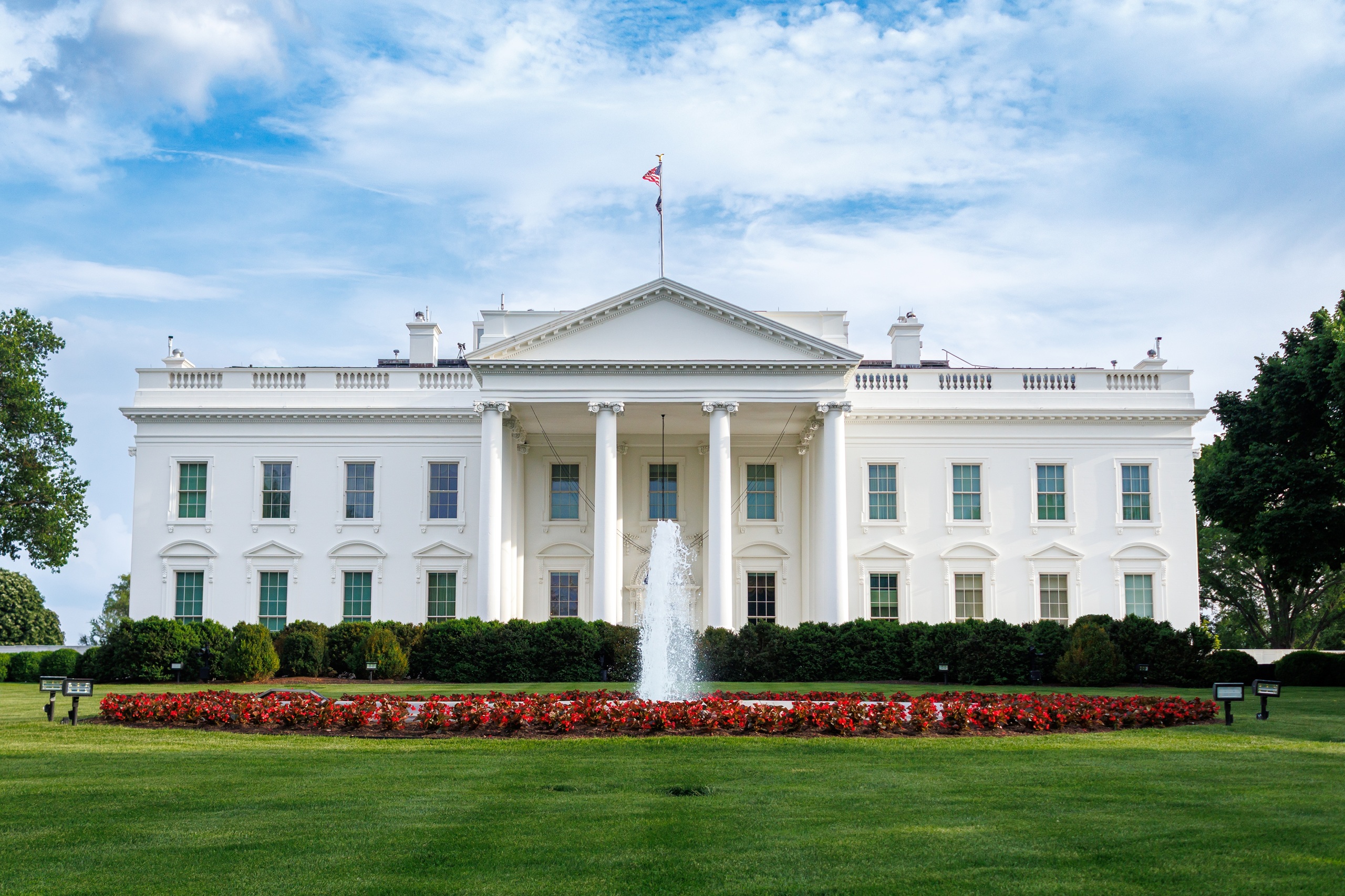
Washington has privately warned several Gulf Arab allies to brace for a potentially short but intensive renewal of military operations against Iran following the November midterm elections, according to diplomatic and defense officials cited by international media. The prospective campaign, reportedly coordinated alongside Israeli military planning, aims to exert decisive pressure on Tehran’s nuclear development and critical energy infrastructure to force concessions at the negotiating table. The disclosure injects a renewed geopolitical risk premium into global financial markets, challenging recent assumptions of diplomatic de-escalation across key Middle Eastern transit corridors.
Pre-Positioning and Strategic Asset Reallocation Across the Gulf
The diplomatic alerts coincide with tangible shifts in American regional military posture designed to safeguard allied assets before any potential offensive begins. The Pentagon has moved to reinforce regional air defense architectures, including the deployment of additional Patriot missile batteries, while repositioning service members away from vulnerable forward-operating bases susceptible to asymmetric Iranian strikes. Concurrently, naval deployments—encompassing a carrier strike group operating alongside roughly twenty regional warships—are being augmented with replenished precision munitions stockpiles.
Military planners emphasize that any forthcoming strikes would likely focus on high-value targets, including military command centers, uncrewed aerial vehicle assembly plants, and nuclear-adjacent facilities. However, Tehran has reiterated that retaliatory measures would target regional economic hubs and energy production facilities across the Persian Gulf. This posture creates acute operational risk for commercial shipping through the Strait of Hormuz, where tanker insurance premiums and maritime freight differentials are already pricing in heightened disruption risks.
Macroeconomic Transmission Channels and the Impact on Israeli Allocators
The prospect of post-election military friction carries direct implications for global macro stability and Israel’s domestic capital markets. A renewed escalation cycle poses immediate upside risks to crude oil benchmarks, threatening to reignite headline energy inflation and complicate the easing trajectories of major central banks. For the Bank of Israel, higher imported energy costs and global supply-chain friction could constrain domestic monetary latitude, keeping benchmark interest rates restrictive to defend the New Israeli Shekel (NIS).
On the Tel Aviv Stock Exchange (TASE), domestic corporate credit spreads and equity valuations remain tightly tied to regional security perceptions. While Israeli defense technology firms listed on domestic and international exchanges stand to see sustained order backlogs for missile defense, radar, and electronic warfare systems, broader sectors—such as construction, retail, and domestic travel—face localized margin compression under protracted security friction. Institutional allocators are consequently recalibrating portfolio duration and maintaining elevated dollar-cash allocations as a tactical hedge.
Outlook: Election Timing, Diplomatic Off-Ramps, and Asymmetric Retaliation
Moving past the November midterm deadline, market participants must monitor whether backchannel mediation efforts in regional capitals can construct a credible diplomatic off-ramp or if military action becomes unavoidable. Investors should closely track forward tanker tracking data, regional defense procurement announcements, and sovereign yield spreads across the Gulf Cooperation Council (GCC) and Israel. A sharp flare-up in hostilities would test the physical resilience of regional oil infrastructure and prompt a flight to traditional safe-haven assets, while any verifiable diplomatic breakthrough would rapidly unwind geopolitical risk premiums across global asset classes.
Comparison, examination, and analysis between investment houses
Leave your details, and an expert from our team will get back to you as soon as possible
* This article, in whole or in part, does not contain any promise of investment returns, nor does it constitute professional advice to make investments in any particular field.
To read more about the full disclaimer, click here
- orshu
- •
- 8 Min Read
- •
- ago 2 hours
SKN | Asian Markets Diverge in Morning Trade: KOSPI Surges 3.86% While Chinese Bourses Retreat
Asian equity markets present a sharply divided performance during the morning session on Friday, October 2, as substantial rallies in
- ago 2 hours
- •
- 8 Min Read

Asian equity markets present a sharply divided performance during the morning session on Friday, October 2, as substantial rallies in

- Lior mor
- •
- 6 Min Read
- •
- ago 4 hours
SKN | Can Gold Regain Momentum as Central-Bank Demand Offsets High Yields and a Strong Dollar?
Gold's outlook is facing renewed pressure from elevated Treasury yields and a strong U.S. dollar, prompting analysts to reduce
- ago 4 hours
- •
- 6 Min Read

Gold's outlook is facing renewed pressure from elevated Treasury yields and a strong U.S. dollar, prompting analysts to reduce

- omer bar
- •
- 7 Min Read
- •
- ago 4 hours
SKN | Can Global Inflation Remain Elevated Into Next Year as Price Pressures Deepen?
Global inflation is expected to remain elevated well into next year, according to hundreds of economists polled by Reuters,
- ago 4 hours
- •
- 7 Min Read

Global inflation is expected to remain elevated well into next year, according to hundreds of economists polled by Reuters,

- sagi habasov
- •
- 6 Min Read
- •
- ago 5 hours
SKN | Oil Prices Fall as Middle East Talks Ease Supply Fears, but Risks Remain
Oil prices settled almost $2 lower on Tuesday as renewed diplomatic activity in the Middle East reduced some of
- ago 5 hours
- •
- 6 Min Read

Oil prices settled almost $2 lower on Tuesday as renewed diplomatic activity in the Middle East reduced some of

