




- orshu
- •
- 7 Min Read
- •
- 2 minutes ago


Key Points
- The S&P 500 gained 1.31% to 7,619.38, while the Dow 30 advanced 0.49% to 52,486.49, reflecting positive momentum across major segments of the US equity market.
- The Nasdaq declined 0.66% to 25,298.31, contrasting with a 0.88% gain in the Russell 2000 and highlighting divergent performance between technology-oriented and smaller-cap equities.
- The US Dollar Index increased 0.10% to 103.01, while Canada's S&P/TSX and Brazil's IBOVESPA declined 0.82% and 0.65%, respectively.
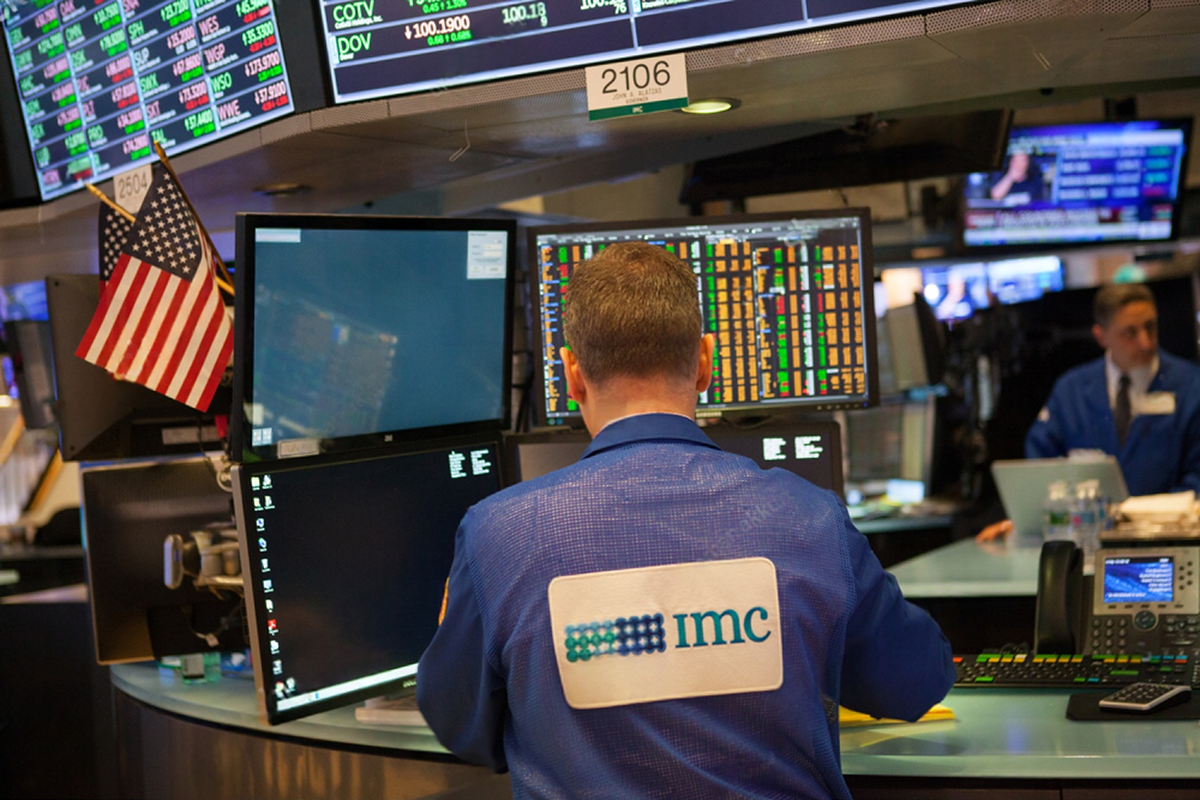
US financial markets presented a mixed picture on November 12, as gains across several major domestic equity benchmarks contrasted with weakness in technology stocks and selected international markets. The S&P 500 delivered the strongest performance among the three major US indices, while the Russell 2000 also advanced, indicating positive momentum beyond large-cap companies. However, the Nasdaq’s decline and losses across Canadian and Brazilian equities highlighted differences in market direction as investors continued navigating an uneven trading environment.
S&P 500 and Dow Advance Despite Nasdaq Weakness
The S&P 500 gained 1.31% to 7,619.38, recording the strongest advance among the three major US equity benchmarks. Its performance suggests that positive momentum extended across a meaningful portion of the broader large-cap market, despite the technology-heavy Nasdaq moving lower. The advance also places the index above the 7,600 level, an important threshold for investors monitoring its current market trajectory.
The Dow 30 increased 0.49% to 52,486.49, providing further support to the positive performance across traditional large-cap equities. The combination of gains in the S&P 500 and Dow indicates that the broader US market maintained some resilience during the reported trading period.
However, the Nasdaq moved in the opposite direction, falling 0.66% to 25,298.31. Its underperformance highlights a divergence between technology-oriented stocks and other segments of the equity market. For institutional investors, this distinction is important because differences in sector composition can produce substantially different returns even when major benchmarks are trading simultaneously.
Small-Cap Strength Contrasts With International Market Declines
The Russell 2000 advanced 0.88% to 2,846.26, outperforming both the Dow 30 and Nasdaq. The increase indicates positive momentum among smaller publicly traded companies, providing an additional dimension to the current US market picture.
Small-cap equities are particularly relevant when assessing domestic economic conditions because smaller businesses can be more sensitive to financing costs, borrowing conditions and changes in consumer demand. Their positive performance, alongside gains in the S&P 500, suggests that market strength was not exclusively concentrated in traditional large-cap companies. Nevertheless, sustained performance will depend on corporate earnings, operating conditions and access to financing.
International benchmarks delivered weaker results. Canada’s S&P/TSX Composite Index declined 0.82% to 36,112.52, while Brazil’s IBOVESPA fell 0.65% to 170,947.42. The contrasting performance between US equities and these regional markets highlights the importance of evaluating individual economic and market conditions rather than assuming that positive US trading automatically translates into gains across the Americas.
US Dollar Strengthens as Private Equity Records Modest Gains
The US Dollar Index gained 0.10% to 103.01, recording a modest increase during the session. Although the movement was limited, dollar performance remains relevant for international investors because currency fluctuations influence cross-border investment returns, capital allocation and the relative valuation of dollar-denominated assets.
Meanwhile, US Private Equity advanced 0.22% to 10,847.84, indicating a modest positive movement in the alternative investment indicator. Its performance was relatively restrained compared with the gains recorded in the S&P 500 and Russell 2000. However, differences in liquidity, valuation methodologies and reporting frequency mean that private equity indicators should be assessed separately from publicly traded securities.
Looking ahead, investors will monitor whether the S&P 500 can sustain its advance while the Nasdaq attempts to recover from its decline. The Russell 2000’s performance will also provide useful insight into small-cap participation and broader market confidence. Additional attention will focus on the US dollar, international equity movements and developments affecting corporate earnings and financial conditions. For institutional and cross-border investors, the central consideration will be whether the divergence between technology stocks, broader US equities and international markets represents temporary market positioning or a more sustained shift in global investment sentiment.
Comparison, examination, and analysis between investment houses
Leave your details, and an expert from our team will get back to you as soon as possible
* This article, in whole or in part, does not contain any promise of investment returns, nor does it constitute professional advice to make investments in any particular field.
To read more about the full disclaimer, click here
- orshu
- •
- 5 Min Read
- •
- ago 5 hours
Asian Markets Decline on November 12, 2026 as Hang Seng Falls 1.26% and Nikkei Slips 0.70%
Asian Markets Turn Lower After Recent Recovery Asian markets recorded a broadly weaker session on November 12, 2026, as five
- ago 5 hours
- •
- 5 Min Read

Asian Markets Turn Lower After Recent Recovery Asian markets recorded a broadly weaker session on November 12, 2026, as five
- orshu
- •
- 4 Min Read
- •
- ago 6 hours
European Markets Advance as DAX Leads Regional Gains
European Markets Post Broad-Based Gains European markets recorded a broadly positive session on November 12, with five of the six
- ago 6 hours
- •
- 4 Min Read

European Markets Post Broad-Based Gains European markets recorded a broadly positive session on November 12, with five of the six

- Ronny Mor
- •
- 8 Min Read
- •
- ago 17 hours
SKN | Semiconductor Volatility Surges as AI Spending Uncertainty Raises Market Risk
The semiconductor sector is experiencing a significant increase in market volatility as investors reassess the financial and strategic implications
- ago 17 hours
- •
- 8 Min Read

The semiconductor sector is experiencing a significant increase in market volatility as investors reassess the financial and strategic implications
- orshu
- •
- 6 Min Read
- •
- ago 17 hours
Americas Market Overview: Nasdaq Leads Gains as Major Equity Indexes Advance
U.S. Equities Lead Regional Gains Major U.S. equity indexes recorded broad advances, led by technology-heavy Nasdaq, which climbed 1.60% to
- ago 17 hours
- •
- 6 Min Read

U.S. Equities Lead Regional Gains Major U.S. equity indexes recorded broad advances, led by technology-heavy Nasdaq, which climbed 1.60% to
