


- Ronny Mor
- •
- 5 Min Read
- •
- 19 seconds ago
Key Points
- US and Iran signal openness to further truce discussions despite ongoing blockade measures
- Geopolitical tensions continue to drive volatility in energy and global markets
- Investors remain focused on duration of conflict and potential supply disruptions

The United States and Iran are reportedly weighing additional truce talks even as tensions remain elevated and a blockade framework linked to former President Donald Trump’s policies continues to shape the geopolitical landscape. The developments come at a time when markets are highly sensitive to Middle East risks, particularly through their impact on energy prices and global trade flows.
Diplomatic Signals Clash With Ongoing Pressure
While both sides appear open to renewed negotiations, the broader environment remains complex. Sanctions frameworks and strategic pressure mechanisms continue to constrain economic engagement, limiting the scope for immediate de-escalation. The coexistence of diplomatic outreach and hardline policy tools reflects a dual-track approach that markets often interpret as uncertainty rather than resolution.
Investors typically respond not only to formal agreements but also to the credibility and durability of negotiations. In this case, the absence of concrete timelines or verified commitments suggests that geopolitical risk premiums may remain embedded in asset prices.
Energy Markets at the Center of Market Reaction
The most immediate transmission channel to financial markets is through energy. Iran plays a critical role in global oil supply dynamics, and any escalation—or easing—of tensions can quickly influence crude prices. Shipping routes in the region, particularly key maritime corridors, remain a focal point for traders assessing potential disruptions.
Even the prospect of talks can moderate price spikes, but sustained volatility is likely as long as uncertainty persists. For global equities, especially in Europe and emerging markets, energy cost fluctuations continue to act as a key macro variable influencing inflation and growth expectations.
Implications for Israeli and Global Investors
For Israeli investors, the geopolitical dimension carries both regional and financial significance. Israel’s proximity to the conflict amplifies sensitivity across local markets, while global portfolios remain exposed through energy, defense, and currency channels. Institutional investors are likely to monitor both diplomatic progress and military developments in parallel.
Looking ahead, the trajectory of US-Iran relations will be a critical determinant of short-term market direction, particularly in oil and inflation-sensitive assets. A credible move toward de-escalation could stabilize risk sentiment, while prolonged uncertainty or escalation may reinforce volatility across global markets. Investors will focus on tangible developments—such as confirmed talks, policy adjustments, or supply disruptions—to assess whether current tensions evolve into a sustained macroeconomic risk.
Comparison, examination, and analysis between investment houses
Leave your details, and an expert from our team will get back to you as soon as possible
* This article, in whole or in part, does not contain any promise of investment returns, nor does it constitute professional advice to make investments in any particular field.
To read more about the full disclaimer, click here
- omer bar
- •
- 5 Min Read
- •
- ago 42 minutes
SKN | Sanctioned Tanker Challenges Hormuz Controls — A Test for Energy Markets and Geopolitical Risk
A tanker under U.S. sanctions has reportedly transited the Strait of Hormuz, raising questions about the effectiveness of enforcement measures
- ago 42 minutes
- •
- 5 Min Read
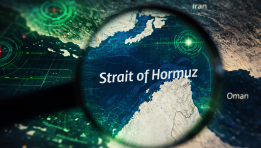
A tanker under U.S. sanctions has reportedly transited the Strait of Hormuz, raising questions about the effectiveness of enforcement measures

- orshu
- •
- 7 Min Read
- •
- ago 4 hours
SKN | Can Broad-Based Gains in Tel Aviv Indices Sustain Momentum Across Equities and Bonds?
Israeli financial markets are trading higher, with broad-based gains across major equity indices signaling an improvement in risk sentiment. The
- ago 4 hours
- •
- 7 Min Read

Israeli financial markets are trading higher, with broad-based gains across major equity indices signaling an improvement in risk sentiment. The
- orshu
- •
- 7 Min Read
- •
- ago 8 hours
SKN | Global Markets Wrap: April 13, 2026 Performance and Outlook Ahead of April 14, 2026 as Holiday-Thinned Conditions Shape Global Trading
Global financial markets on April 13, 2026, closed with a mixed but structurally positive tone in the U.S., contrasted by
- ago 8 hours
- •
- 7 Min Read

Global financial markets on April 13, 2026, closed with a mixed but structurally positive tone in the U.S., contrasted by
- omer bar
- •
- 8 Min Read
- •
- ago 10 hours
SKN | Asian Markets Trade Mixed Tuesday Morning as Korea and Japan Lead Gains While India and Hong Kong Decline
Asian equity markets opened Tuesday, April 14 with mixed performance across the region as investors navigated diverging market trends during
- ago 10 hours
- •
- 8 Min Read

Asian equity markets opened Tuesday, April 14 with mixed performance across the region as investors navigated diverging market trends during


