


- omer bar
- •
- 5 Min Read
- •
- 17 seconds ago
Key Points
- A U.S.-sanctioned tanker has reportedly exited the Strait of Hormuz, testing enforcement of restrictions
- The move highlights ongoing tensions around oil flows and geopolitical risk premiums
- Energy markets remain sensitive to any disruption in one of the world’s key shipping chokepoints
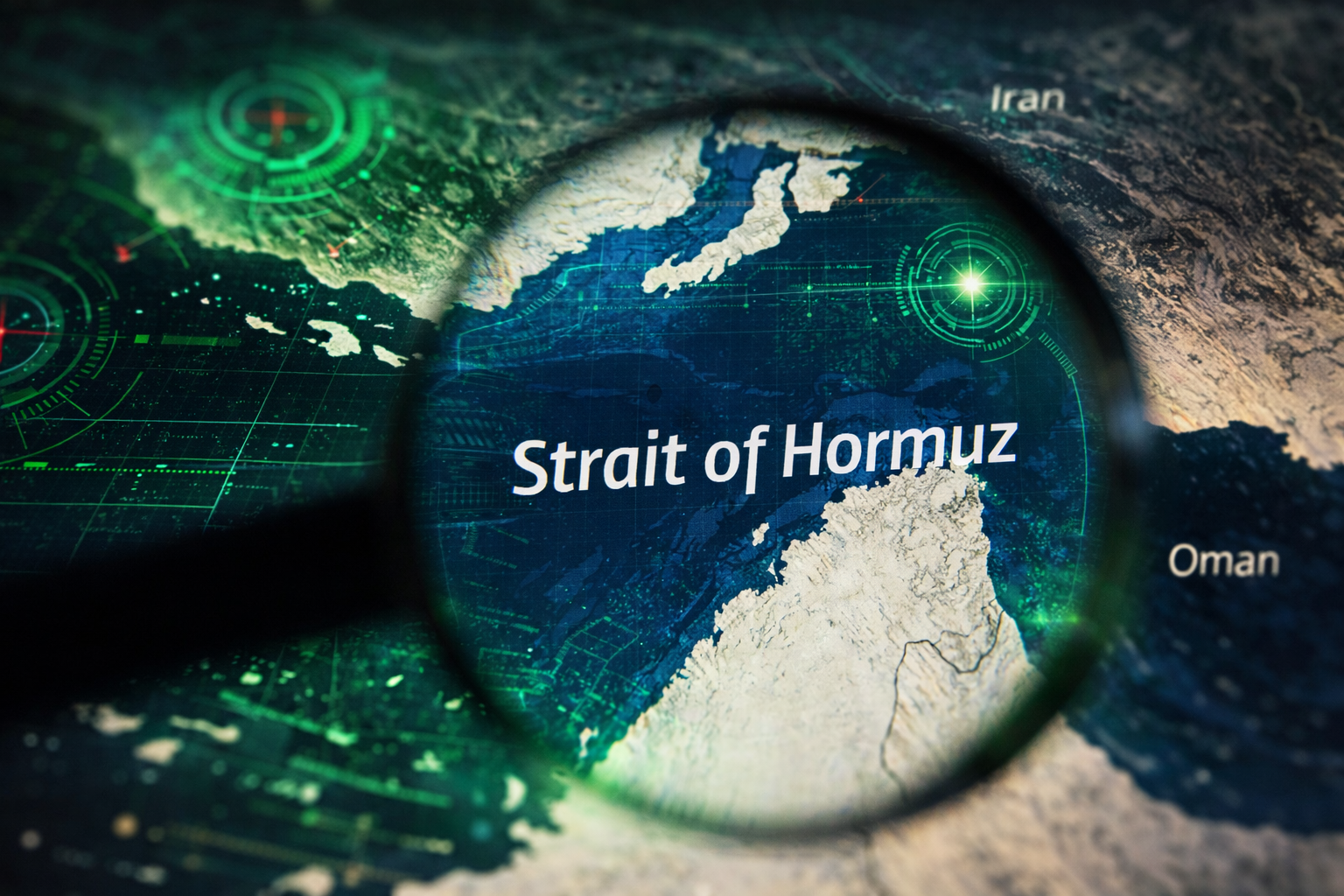
A tanker under U.S. sanctions has reportedly transited the Strait of Hormuz, raising questions about the effectiveness of enforcement measures and the stability of global oil flows. The development comes at a time when geopolitical tensions in the region are already influencing energy markets and investor sentiment.
Hormuz: A Critical Energy Artery
The Strait of Hormuz remains one of the most strategically important maritime corridors in the global energy system, with a significant share of the world’s oil supply passing through the narrow waterway. Any disruption—whether physical or regulatory—has immediate implications for crude prices, shipping costs, and supply chain stability.
The reported movement of a sanctioned tanker suggests that enforcement mechanisms may face operational challenges, particularly in complex maritime environments involving multiple jurisdictions and actors. Even isolated incidents can contribute to a perception of increased risk, which markets often price in quickly.
Market Reaction and Oil Price Sensitivity
Energy markets tend to react sharply to developments in the Gulf region, with crude prices often incorporating a geopolitical risk premium. While a single tanker movement does not alter supply fundamentals, it can signal broader shifts in compliance, enforcement, or escalation dynamics.
For traders and institutional investors, the key issue is whether such events become more frequent or remain isolated. A pattern of similar incidents could lead to increased volatility, higher insurance costs for shipping, and tighter supply expectations.
Implications for Israeli and Global Investors
For Israeli investors, the situation carries both regional and global significance. Israel’s proximity to key Middle Eastern energy routes means that geopolitical developments can have direct and indirect effects on markets, currencies, and sector performance—particularly in energy and defense-related assets.
At a global level, sustained uncertainty around Hormuz could influence inflation expectations, central bank policy paths, and cross-asset volatility. Investors will closely monitor shipping activity, enforcement responses, and diplomatic signals, as these factors will determine whether tensions remain contained or evolve into a broader disruption to energy markets.
Comparison, examination, and analysis between investment houses
Leave your details, and an expert from our team will get back to you as soon as possible
* This article, in whole or in part, does not contain any promise of investment returns, nor does it constitute professional advice to make investments in any particular field.
To read more about the full disclaimer, click here
- orshu
- •
- 7 Min Read
- •
- ago 3 hours
SKN | Can Broad-Based Gains in Tel Aviv Indices Sustain Momentum Across Equities and Bonds?
Israeli financial markets are trading higher, with broad-based gains across major equity indices signaling an improvement in risk sentiment. The
- ago 3 hours
- •
- 7 Min Read

Israeli financial markets are trading higher, with broad-based gains across major equity indices signaling an improvement in risk sentiment. The
- orshu
- •
- 7 Min Read
- •
- ago 7 hours
SKN | Global Markets Wrap: April 13, 2026 Performance and Outlook Ahead of April 14, 2026 as Holiday-Thinned Conditions Shape Global Trading
Global financial markets on April 13, 2026, closed with a mixed but structurally positive tone in the U.S., contrasted by
- ago 7 hours
- •
- 7 Min Read

Global financial markets on April 13, 2026, closed with a mixed but structurally positive tone in the U.S., contrasted by

- omer bar
- •
- 8 Min Read
- •
- ago 10 hours
SKN | Asian Markets Trade Mixed Tuesday Morning as Korea and Japan Lead Gains While India and Hong Kong Decline
Asian equity markets opened Tuesday, April 14 with mixed performance across the region as investors navigated diverging market trends during
- ago 10 hours
- •
- 8 Min Read

Asian equity markets opened Tuesday, April 14 with mixed performance across the region as investors navigated diverging market trends during
- orshu
- •
- 7 Min Read
- •
- ago 13 hours
SKN | Southern Copper Leadership Transition—What Oscar Gonzalez Rocha’s Passing Means for Strategy and Markets?
Southern Copper Corporation faces a critical leadership transition following the passing of its long-serving CEO, Oscar Gonzalez Rocha. The
- ago 13 hours
- •
- 7 Min Read

Southern Copper Corporation faces a critical leadership transition following the passing of its long-serving CEO, Oscar Gonzalez Rocha. The


