




- Ronny Mor
- •
- 7 Min Read
- •
- 3 minutes ago


Key Points
- Dollar Holds Near Recent Highs: The US dollar index was little changed at 103.61, remaining close to its strongest level since April 2025 after gaining approximately 2.1% over six trading sessions.
- Mixed US Economic Signals: October retail sales increased moderately, while homebuilder sentiment fell to its lowest level in more than 14½ years, reflecting pressure from higher mortgage rates and rising construction costs.
- Risk Aversion Supports the Dollar: Technology stock volatility has weakened risk-sensitive currencies, while expectations of a December Federal Reserve rate increase continue to support the greenback.
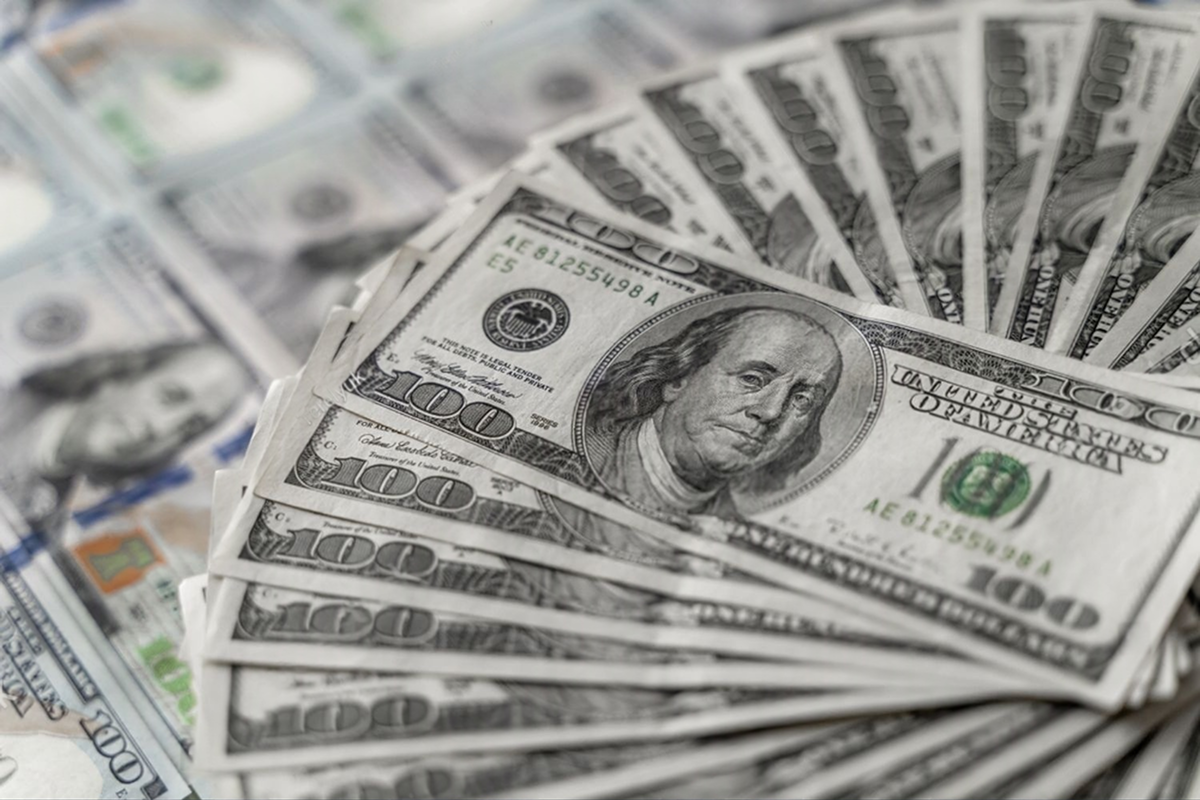
Dollar Pauses After Strong Six-Session Rally
The US dollar eased on Tuesday following a series of gains, as mixed economic data showed continued consumer spending alongside worsening conditions in the housing market. Despite the pullback, the currency remained near its strongest level since April 2025.
The dollar index stood at approximately 103.61, little changed on the day, after advancing around 2.1% over the previous six sessions. This represented its largest six-session increase since July 2025.
Recent dollar strength has been supported by stronger-than-expected inflation data and hawkish comments from Federal Reserve officials. These developments have reinforced expectations that US interest rates will remain elevated, widening interest-rate differentials against other major currencies.
October retail sales increased moderately as households reduced purchases of vehicles and other expensive goods. Meanwhile, a separate survey showed US homebuilder sentiment falling to a more than 14½-year low in November. Higher mortgage rates have discouraged prospective buyers, while labor shortages associated with immigration restrictions have increased costs for developers.
Federal Reserve Expectations Remain Supportive
Despite the mixed economic picture, financial markets continue to anticipate another Federal Reserve rate increase in December. CME FedWatch data showed traders expecting a quarter-percentage-point increase as policymakers seek to contain persistent inflation.
Currency strategists noted that the dollar’s recent rally may be stretched in the short term, particularly as other major central banks adjust their own policy outlooks. However, expectations for resilient US economic growth, favorable labor market conditions and persistent underlying inflation continue to support the currency.
Technology Selloff Weighs on Risk-Sensitive Currencies
The recent decline in artificial intelligence and technology shares has weakened investor risk appetite. Concerns surrounding Nvidia leadership developments, the outcome of the US midterm elections and debt-funded AI infrastructure expansion have added to market uncertainty.
Nvidia’s upcoming earnings report and Anthropic’s anticipated market debut are expected to provide important tests for investor confidence in the AI sector.
The Australian dollar has declined 2.7% over the past six trading sessions, while the New Zealand dollar has fallen 2.4%. Both currencies have been affected by the broader retreat from risk-sensitive assets.
Further volatility in technology stocks could strengthen the dollar if investors seek liquidity and safer assets. Currency strategists warned that a more severe market selloff could increase demand for the US currency rather than weaken it.
Euro and Yen Face Different Pressures
The euro remained under pressure near $1.10 after reaching a new 19-month low of $1.0983 earlier in Tuesday’s session. Currency strategists expect the euro to consolidate around the $1.10 level before investors establish a clearer direction for the next move.
Against the Japanese yen, the dollar weakened 0.1% to 159.215, remaining just below the psychologically important 160 level. Traders view that threshold as a potential trigger for another intervention to support the Japanese currency.
The market’s caution reflects the possibility of action by Japanese authorities, particularly following previous intervention efforts in July by Japan and the United States. The prospect of intervention has made further dollar gains against the yen more difficult.
Sterling advanced 0.1% to $1.32005 ahead of UK inflation data scheduled for Wednesday.
In cryptocurrency markets, Bitcoin declined 1.5% to $64,220 as a two-day recovery following earlier sharp losses lost momentum.
What Investors Should Watch Next
The dollar’s near-term direction will depend on upcoming US economic indicators, Federal Reserve policy expectations and developments in global risk sentiment. Nvidia’s earnings report and Anthropic’s market debut could influence technology valuations and demand for currencies associated with higher risk.
Investors will also monitor the euro’s ability to stabilize around $1.10 and whether the yen approaches the 160 level closely enough to prompt intervention concerns. Persistent inflation and expectations of further Fed tightening remain supportive of the dollar, although the recent rally leaves the currency vulnerable to consolidation.
Comparison, examination, and analysis between investment houses
Leave your details, and an expert from our team will get back to you as soon as possible
* This article, in whole or in part, does not contain any promise of investment returns, nor does it constitute professional advice to make investments in any particular field.
To read more about the full disclaimer, click here
- Arik Arkadi Sluzki
- •
- 5 Min Read
- •
- ago 21 hours
SKN | Fed’s Hammack Backs Slow, Steady Rate Hikes as Inflation Pressures Build
Federal Reserve Bank of Cleveland President Beth Hammack reiterated her preference for a slow and steady approach to interest-rate
- ago 21 hours
- •
- 5 Min Read
Federal Reserve Bank of Cleveland President Beth Hammack reiterated her preference for a slow and steady approach to interest-rate

- Lior mor
- •
- 8 Min Read
- •
- ago 1 day
SKN | Fed Chair Kevin Warsh Faces Growing Pressure as Inflation Revives Rate-Hike Debate
Warsh Faces His First Major Policy Test Federal Reserve Chair Kevin Warsh is facing a significant challenge as inflationary pressures
- ago 1 day
- •
- 8 Min Read
Warsh Faces His First Major Policy Test Federal Reserve Chair Kevin Warsh is facing a significant challenge as inflationary pressures

- sagi habasov
- •
- 8 Min Read
- •
- ago 2 days
SKN | AI Financing Costs Reach Their Highest Level Since 2009 as Technology Borrowers Face a More Selective Credit Market
The artificial intelligence investment cycle is entering a more demanding financing environment. As technology companies prepare to fund another
- ago 2 days
- •
- 8 Min Read

The artificial intelligence investment cycle is entering a more demanding financing environment. As technology companies prepare to fund another

- Ronny Mor
- •
- 8 Min Read
- •
- ago 2 days
SKN | US Budget Deficit Surges to $404 Billion in October as Defense Spending and Debt Interest Costs Increase
The United States has opened fiscal 2027 with a substantial deterioration in its budget balance, highlighting the growing challenge
- ago 2 days
- •
- 8 Min Read

The United States has opened fiscal 2027 with a substantial deterioration in its budget balance, highlighting the growing challenge
