


- Arik Arkadi Sluzki
- •
- 6 Min Read
- •
- 17 seconds ago
Key Points
- UAE’s potential exit from OPEC could reshape regional energy alliances and pricing strategies.
- Trade relations with Saudi Arabia may face strategic adjustments amid diverging oil policies.
- Global energy markets could experience shifts in supply dynamics and geopolitical positioning.

Speculation surrounding a potential UAE exit from OPEC is drawing increased attention from global investors, as it could signal a significant shift in Middle Eastern energy dynamics. The move would not only affect oil production strategies but also carry broader implications for trade relations with Saudi Arabia, one of the region’s most influential economic partners.
Strategic Divergence in Oil Policy
The United Arab Emirates has, in recent years, pursued a more independent oil production strategy, reflecting its ambition to maximize output capacity and diversify its economy. In contrast, Saudi Arabia has remained a central force within OPEC, often advocating for coordinated production cuts to stabilize global oil prices.
An exit from OPEC would allow the UAE greater flexibility in setting its own production levels, potentially leading to increased output. However, such a move could create policy divergence between the UAE and Saudi Arabia, altering the balance of influence within the global oil market.
This divergence may also impact pricing strategies, as coordinated actions within OPEC have historically played a key role in managing supply and supporting price stability.
Trade Relations and Economic Interdependence
The UAE and Saudi Arabia maintain strong bilateral trade ties, spanning energy, logistics, and investment sectors. A shift in oil policy could introduce new complexities into this relationship, particularly if differing production strategies lead to competitive dynamics.
While both countries are working to diversify their economies beyond oil, energy remains a critical component of their economic frameworks. Changes in production and pricing could influence trade flows, investment decisions, and regional economic integration.
At the same time, the relationship is underpinned by broader strategic cooperation, suggesting that any tensions arising from an OPEC exit would likely be managed within a framework of continued collaboration. The extent of the impact will depend on how both countries navigate economic and geopolitical priorities.
Global Market Implications and Investor Perspective
A potential UAE exit from OPEC could have far-reaching implications for global energy markets. Increased production from the UAE may contribute to higher supply levels, potentially exerting downward pressure on oil prices, depending on demand conditions.
For global investors, including those in Israel, such developments are particularly relevant given the interconnected nature of energy markets and financial systems. Movements in oil prices can influence inflation, currency valuations, and equity markets, particularly in energy-sensitive sectors.
Additionally, the shift could signal a broader trend toward fragmentation within traditional energy alliances, as countries prioritize national interests over collective strategies. This may lead to increased volatility and uncertainty in the market, requiring investors to closely monitor geopolitical developments.
Looking ahead, the potential impact of a UAE exit from OPEC will depend on several factors, including Saudi Arabia’s response, global demand trends, and the broader geopolitical environment. Investors will be watching for signs of policy coordination or divergence, as well as changes in production levels and pricing strategies. While the move could create new opportunities in energy markets, it also introduces risks related to volatility and shifting alliances, making it a key development to monitor in the evolving global economic landscape.
Comparison, examination, and analysis between investment houses
Leave your details, and an expert from our team will get back to you as soon as possible
* This article, in whole or in part, does not contain any promise of investment returns, nor does it constitute professional advice to make investments in any particular field.
To read more about the full disclaimer, click here
- sagi habasov
- •
- 8 Min Read
- •
- ago 14 hours
SKN | Could a Prolonged Hormuz Strait Blockade Trigger a New Global Energy Shock?
Reports that Donald Trump has instructed aides to prepare contingency plans for a potentially prolonged blockade of the Strait of
- ago 14 hours
- •
- 8 Min Read

Reports that Donald Trump has instructed aides to prepare contingency plans for a potentially prolonged blockade of the Strait of

- Ronny Mor
- •
- 7 Min Read
- •
- ago 17 hours
SKN | Can Trump’s $1.5 Trillion Defense Plan Withstand Growing Republican Resistance?
The proposed $1.5 trillion defense spending plan associated with Donald Trump has triggered an uncommon wave of resistance within segments
- ago 17 hours
- •
- 7 Min Read
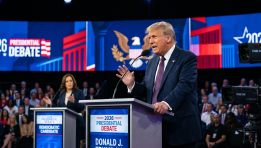
The proposed $1.5 trillion defense spending plan associated with Donald Trump has triggered an uncommon wave of resistance within segments
- sagi habasov
- •
- 7 Min Read
- •
- ago 18 hours
SKN | Gold Stabilizes After Recent Decline as Iran Conflict Fuels Inflation Concerns
Gold prices are holding steady after a recent pullback, as markets reassess the inflationary implications of escalating geopolitical tensions involving
- ago 18 hours
- •
- 7 Min Read

Gold prices are holding steady after a recent pullback, as markets reassess the inflationary implications of escalating geopolitical tensions involving
- Ronny Mor
- •
- 7 Min Read
- •
- ago 20 hours
SKN | Surge in Global Oil Prices – Is Black Gold on Track to Break the Glass Ceiling?
The global oil market once again finds itself in the eye of the storm, with sharp price increases shaking the
- ago 20 hours
- •
- 7 Min Read

The global oil market once again finds itself in the eye of the storm, with sharp price increases shaking the

