


- sagi habasov
- •
- 8 Min Read
- •
- 18 seconds ago
Key Points
- Donald Trump reportedly instructed aides to prepare scenarios involving a prolonged blockade of the Strait of Hormuz
- Markets are closely monitoring the geopolitical implications for global oil and LNG supply chains
- Energy prices and risk assets remain highly sensitive to escalation signals in the Middle East
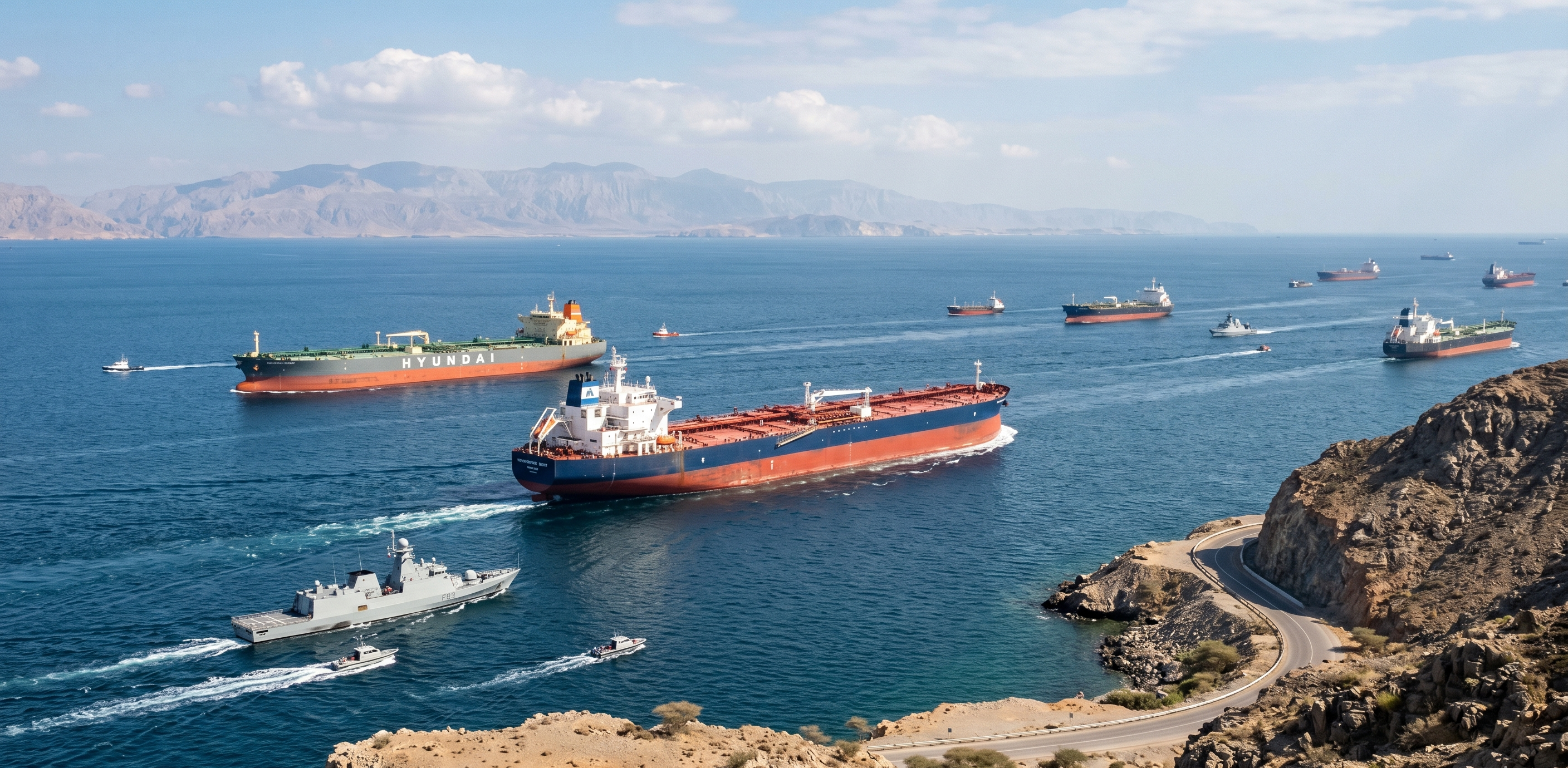
Reports that Donald Trump has instructed aides to prepare contingency plans for a potentially prolonged blockade of the Strait of Hormuz have intensified global market focus on one of the world’s most critical energy chokepoints. The Strait, through which roughly a fifth of global oil trade flows according to widely cited industry estimates, remains a key transmission point for geopolitical risk into energy pricing, inflation expectations, and broader macroeconomic stability. For global investors, including those in Israel exposed to energy and commodities-linked assets, the development highlights how quickly regional tensions can translate into global financial volatility.
Geopolitical Risk Concentrates Around a Strategic Energy Chokepoint
The Strait of Hormuz connects major oil producers in the Gulf with global export markets, making it one of the most strategically sensitive maritime corridors in the world. Any disruption—partial or extended—has historically led to rapid repricing in crude oil markets due to immediate concerns over supply continuity.
According to the Wall Street Journal report, the directive to prepare for extended disruption scenarios reflects heightened concern within policy circles about escalation risks in the region. While no actual blockade is confirmed, the preparation itself signals elevated geopolitical contingency planning at senior levels.
Oil markets typically respond not only to actual supply interruptions but also to perceived risks of disruption. As a result, even speculative developments can contribute to higher risk premiums embedded in energy prices.
Energy Markets Price in Supply Risk and Inflation Pressure
Global crude oil benchmarks remain highly sensitive to developments in the Middle East, particularly given the region’s outsized role in global supply. A prolonged disruption in the Strait of Hormuz could significantly impact exports from key producers such as Saudi Arabia, Iraq, Kuwait, and the United Arab Emirates.
Higher oil prices tend to feed directly into global inflation dynamics, increasing transportation, manufacturing, and consumer costs. This creates additional complexity for central banks, which must balance inflation control against slowing growth conditions.
For financial markets, this dynamic often translates into increased volatility across asset classes. Energy equities may benefit from higher price environments, while consumer and industrial sectors typically face margin pressure. Bond markets can also react through inflation expectations and shifting rate outlooks.
Broader Market Implications and Risk Sentiment Shift
Beyond energy markets, the prospect of disruption in a critical shipping route has broader implications for global risk sentiment. Geopolitical shocks in the Middle East often lead to short-term demand for safe-haven assets, including the US dollar and government bonds, while weighing on equity risk appetite.
Shipping and insurance costs for vessels operating in the region could also rise significantly in a heightened-risk scenario, further amplifying global supply chain pressures. This would add an additional layer of cost inflation beyond direct energy price increases.
For Israeli markets and investors, developments in the Strait of Hormuz carry particular relevance due to the country’s geographic proximity to regional energy dynamics and its integration into global trade and financial systems.
Outlook: Markets Remain Highly Sensitive to Escalation Signals
Looking ahead, market direction will depend heavily on whether geopolitical tensions in the region escalate further or remain contained within diplomatic channels. Any confirmed disruption to maritime traffic in the Strait of Hormuz would likely trigger immediate volatility across energy markets and risk assets.
Key risks include sudden escalation in regional conflict, direct disruption of oil shipping lanes, and sustained increases in energy prices feeding into global inflation. On the other hand, de-escalation or diplomatic stabilization could quickly reduce risk premiums embedded in oil prices.
For global investors, including those in Israel, the situation reinforces the importance of monitoring geopolitical developments as a core driver of macro and commodity market dynamics. Energy markets remain particularly vulnerable to rapid repricing based on policy signals and regional security developments.
Comparison, examination, and analysis between investment houses
Leave your details, and an expert from our team will get back to you as soon as possible
* This article, in whole or in part, does not contain any promise of investment returns, nor does it constitute professional advice to make investments in any particular field.
To read more about the full disclaimer, click here
- sagi habasov
- •
- 7 Min Read
- •
- ago 4 hours
SKN | Gold Stabilizes After Recent Decline as Iran Conflict Fuels Inflation Concerns
Gold prices are holding steady after a recent pullback, as markets reassess the inflationary implications of escalating geopolitical tensions involving
- ago 4 hours
- •
- 7 Min Read

Gold prices are holding steady after a recent pullback, as markets reassess the inflationary implications of escalating geopolitical tensions involving

- Ronny Mor
- •
- 7 Min Read
- •
- ago 6 hours
SKN | Surge in Global Oil Prices – Is Black Gold on Track to Break the Glass Ceiling?
The global oil market once again finds itself in the eye of the storm, with sharp price increases shaking the
- ago 6 hours
- •
- 7 Min Read

The global oil market once again finds itself in the eye of the storm, with sharp price increases shaking the
- Ronny Mor
- •
- 6 Min Read
- •
- ago 8 hours
SKN | Why Are Gold and Silver Falling Despite Ongoing US-Iran Tensions?
Gold and silver prices dropped significantly as markets adjusted to a changing macroeconomic outlook shaped by geopolitical tensions and rising
- ago 8 hours
- •
- 6 Min Read

Gold and silver prices dropped significantly as markets adjusted to a changing macroeconomic outlook shaped by geopolitical tensions and rising

- omer bar
- •
- 7 Min Read
- •
- ago 1 day
SKN | Gold Holds Steady as Markets Assess Diplomatic Efforts to End Iran Conflict
Gold prices are trading in a narrow range as global markets assess renewed diplomatic efforts aimed at de-escalating the ongoing
- ago 1 day
- •
- 7 Min Read

Gold prices are trading in a narrow range as global markets assess renewed diplomatic efforts aimed at de-escalating the ongoing

