


- omer bar
- •
- 7 Min Read
- •
- 13 seconds ago
Key Points
- Gold prices remain stable as traders evaluate potential diplomatic efforts to de-escalate the Iran conflict
- Geopolitical uncertainty continues to support safe-haven demand, limiting downside pressure
- Investors balance risk sentiment with broader macroeconomic and interest rate expectations

Gold prices are trading in a narrow range as global markets assess renewed diplomatic efforts aimed at de-escalating the ongoing Iran conflict. The metal, traditionally viewed as a safe-haven asset, is reacting to shifting expectations around geopolitical risk rather than changes in underlying monetary conditions. For global investors, including those in Israel exposed to commodities and macro-sensitive assets, gold continues to serve as a barometer for geopolitical uncertainty and risk appetite.
Geopolitical Risk Supports Safe-Haven Stability
The stability in gold prices reflects a market balancing act between easing diplomatic rhetoric and persistent geopolitical uncertainty. While discussions aimed at reducing tensions are being monitored closely, the lack of concrete progress has prevented a meaningful shift away from safe-haven positioning.
Gold typically benefits during periods of elevated geopolitical stress, as investors seek protection against uncertainty in equity and currency markets. However, the absence of escalation has limited aggressive inflows, resulting in a more range-bound trading environment.
Market participants continue to assign a risk premium to global assets due to the unresolved nature of the Iran conflict. This premium supports gold at elevated levels, even in the absence of strong directional momentum.
Diplomatic Developments Shape Short-Term Sentiment
Recent diplomatic signals suggesting efforts to end or reduce hostilities have introduced a degree of optimism into markets. However, investors remain cautious, as historical negotiations in the region have often been characterized by volatility and reversals.
This uncertainty has created a market environment where gold reacts more to headlines than to sustained macroeconomic shifts. As a result, price movements remain contained, with traders waiting for clearer confirmation of de-escalation before adjusting positions more significantly.
In parallel, broader macroeconomic factors such as interest rate expectations and currency fluctuations are also influencing sentiment. Higher interest rates typically weigh on non-yielding assets like gold, but geopolitical risk continues to offset some of this pressure.
Macro Conditions Limit Strong Directional Moves
Beyond geopolitics, gold is also being influenced by global macroeconomic conditions, including inflation trends, central bank policy expectations, and currency strength. These factors have created a mixed backdrop for precious metals.
Stronger yields in some major economies have historically acted as a headwind for gold demand. However, ongoing uncertainty in global growth trajectories and regional conflicts has prevented a sustained downward trend.
Physical demand from emerging markets remains relatively stable, while institutional positioning reflects a cautious approach. This combination has contributed to a broadly balanced market structure without strong directional bias.
Outlook: Markets Remain Sensitive to Political Signals
Looking ahead, gold price direction will likely depend on the evolution of diplomatic negotiations surrounding the Iran conflict, as well as shifts in global monetary policy expectations. Any breakthrough in de-escalation talks could reduce safe-haven demand, while renewed tensions could quickly reverse current stability.
Key risks include sudden geopolitical escalation or breakdowns in diplomatic communication, both of which could trigger renewed inflows into safe-haven assets. On the other hand, sustained progress in negotiations could shift market focus back toward macroeconomic fundamentals.
For global investors, including those in Israel, gold remains a key indicator of geopolitical risk sentiment. The market is expected to stay highly responsive to headlines, with volatility driven primarily by political developments rather than structural demand changes.
Comparison, examination, and analysis between investment houses
Leave your details, and an expert from our team will get back to you as soon as possible
* This article, in whole or in part, does not contain any promise of investment returns, nor does it constitute professional advice to make investments in any particular field.
To read more about the full disclaimer, click here
- Lior mor
- •
- 7 Min Read
- •
- ago 2 hours
SKN | Oil Holds Firm as US Reviews Iran Proposal While Hormuz Disruption Keeps Markets on Edge
Oil markets are showing relative stability as the United States continues to assess Iran’s latest proposal, while ongoing disruption around
- ago 2 hours
- •
- 7 Min Read

Oil markets are showing relative stability as the United States continues to assess Iran’s latest proposal, while ongoing disruption around

- Ronny Mor
- •
- 7 Min Read
- •
- ago 2 hours
SKN | Strategic Lithium Consolidation: Critical Metals’ $835 Million Deal for European Lithium Signals Growing Supply Race
Critical Metals’ reported $835 million acquisition of European Lithium underscores the accelerating consolidation trend in the global battery materials sector.
- ago 2 hours
- •
- 7 Min Read
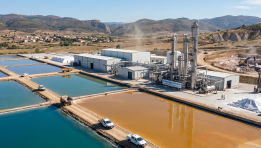
Critical Metals’ reported $835 million acquisition of European Lithium underscores the accelerating consolidation trend in the global battery materials sector.
- Lior mor
- •
- 6 Min Read
- •
- ago 7 hours
SKN | Why Is Gold Falling Despite Ongoing Iran Tensions and Fragile Peace Talks?
Gold prices declined as investors reassessed the outlook for US-Iran peace talks, highlighting a shift from panic-driven buying to cautious
- ago 7 hours
- •
- 6 Min Read

Gold prices declined as investors reassessed the outlook for US-Iran peace talks, highlighting a shift from panic-driven buying to cautious
- Ronny Mor
- •
- 10 Min Read
- •
- ago 18 hours
SKN | Is the Strait of Hormuz Crisis Pushing Oil Markets Toward a Global Inflation Shock?
Oil markets have entered a heightened state of volatility as stalled diplomatic efforts between the United States and Iran continue
- ago 18 hours
- •
- 10 Min Read

Oil markets have entered a heightened state of volatility as stalled diplomatic efforts between the United States and Iran continue


