


- Lior mor
- •
- 7 Min Read
- •
- 49 seconds ago
Key Points
- Oil prices remain relatively stable as the US evaluates Iran’s proposal without a defined timeline
- Continued disruption around the Strait of Hormuz is sustaining geopolitical risk premiums
- Investors are balancing supply risks with broader macro and demand expectations

Oil markets are showing relative stability as the United States continues to assess Iran’s latest proposal, while ongoing disruption around the Strait of Hormuz keeps geopolitical risk firmly embedded in pricing. The situation highlights how energy markets remain highly sensitive to diplomatic developments, particularly when key supply routes are affected.
Hormuz Disruption Anchors Geopolitical Risk Premiums
The Strait of Hormuz remains one of the most critical chokepoints in global energy infrastructure, handling a significant portion of the world’s seaborne oil flows. Any disruption, whether physical or perceived, tends to have an immediate impact on pricing dynamics, freight rates, and insurance costs.
Current conditions suggest that while there has not been a complete collapse in supply flows, the uncertainty surrounding access and security in the region is enough to sustain elevated risk premiums. Market participants are pricing in the possibility of escalation, even if actual disruptions remain limited in scope.
For energy-importing economies, including those in Europe and Asia, as well as globally integrated markets such as Israel, this creates a persistent layer of volatility tied not to demand fundamentals but to geopolitical signaling.
Diplomatic Uncertainty Limits Directional Momentum
The absence of a clear deadline in the US response to Iran’s proposal is contributing to a holding pattern in oil markets. Without a defined timeline for resolution, traders are left to react to incremental developments rather than decisive policy shifts.
This dynamic tends to cap both upside and downside volatility in the near term. On one hand, the lack of escalation reduces the probability of an immediate supply shock. On the other, the absence of a diplomatic breakthrough prevents a meaningful easing of geopolitical risk premiums.
Historically, similar negotiation cycles have produced extended periods of market sensitivity, where prices respond more to headlines than to underlying supply-demand changes. The current environment reflects that pattern, with markets closely tracking political signals.
Balancing Supply Stability With Macro Headwinds
Beyond geopolitics, oil markets are also navigating broader macroeconomic factors, including interest rate expectations, currency movements, and global growth trends. Demand-side uncertainty remains a counterbalance to supply concerns, particularly as some economies show signs of moderating growth.
Production levels from major oil-exporting countries have remained relatively stable, helping to prevent sharp price spikes despite geopolitical tension. However, the risk of sudden disruption continues to influence forward curves and volatility expectations.
For investors, this creates a complex environment where both macro and geopolitical drivers must be assessed simultaneously. Energy markets are no longer reacting solely to physical supply changes but also to expectations around policy, diplomacy, and economic growth.
Outlook: Markets Remain Headline-Driven With Elevated Sensitivity
Looking ahead, oil market direction will likely depend on the evolution of diplomatic engagement between the US and Iran, as well as any changes in the operational status of the Strait of Hormuz. Traders will closely monitor official statements, regional security developments, and enforcement measures that could impact supply flows.
Key risks include a sudden escalation that disrupts shipping routes or a breakdown in negotiations that leads to stricter enforcement actions. Conversely, any signs of diplomatic progress could ease risk premiums and stabilize pricing further.
For global investors, including those in Israel, the current environment reinforces the importance of monitoring geopolitical developments alongside traditional supply-demand indicators. Energy markets are expected to remain highly reactive, with volatility driven as much by policy signals as by physical fundamentals.
Comparison, examination, and analysis between investment houses
Leave your details, and an expert from our team will get back to you as soon as possible
* This article, in whole or in part, does not contain any promise of investment returns, nor does it constitute professional advice to make investments in any particular field.
To read more about the full disclaimer, click here
- Ronny Mor
- •
- 7 Min Read
- •
- ago 28 minutes
SKN | Strategic Lithium Consolidation: Critical Metals’ $835 Million Deal for European Lithium Signals Growing Supply Race
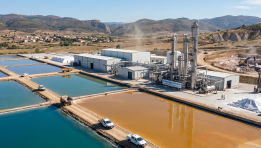
Critical Metals’ reported $835 million acquisition of European Lithium underscores the accelerating consolidation trend in the global battery materials sector.
- ago 28 minutes
- •
- 7 Min Read
Critical Metals’ reported $835 million acquisition of European Lithium underscores the accelerating consolidation trend in the global battery materials sector.

- Lior mor
- •
- 6 Min Read
- •
- ago 5 hours
SKN | Why Is Gold Falling Despite Ongoing Iran Tensions and Fragile Peace Talks?
Gold prices declined as investors reassessed the outlook for US-Iran peace talks, highlighting a shift from panic-driven buying to cautious
- ago 5 hours
- •
- 6 Min Read

Gold prices declined as investors reassessed the outlook for US-Iran peace talks, highlighting a shift from panic-driven buying to cautious
- Ronny Mor
- •
- 10 Min Read
- •
- ago 16 hours
SKN | Is the Strait of Hormuz Crisis Pushing Oil Markets Toward a Global Inflation Shock?
Oil markets have entered a heightened state of volatility as stalled diplomatic efforts between the United States and Iran continue
- ago 16 hours
- •
- 10 Min Read

Oil markets have entered a heightened state of volatility as stalled diplomatic efforts between the United States and Iran continue
- sagi habasov
- •
- 7 Min Read
- •
- ago 5 days
SKN | Why Is Brent Crude Climbing for a Fourth Straight Session as Iran Tensions Persist
Brent crude extended its rally, climbing above 103 dollars per barrel and marking a fourth consecutive session of gains as
- ago 5 days
- •
- 7 Min Read
Brent crude extended its rally, climbing above 103 dollars per barrel and marking a fourth consecutive session of gains as


