


- Ronny Mor
- •
- 7 Min Read
- •
- 14 seconds ago
Key Points
- Donald Trump’s proposed $1.5 trillion defense framework is facing unusual pushback from Republican lawmakers
- Concerns center on fiscal expansion, budget prioritization, and long-term US debt sustainability
- Debate highlights widening tensions between defense spending commitments and broader fiscal discipline
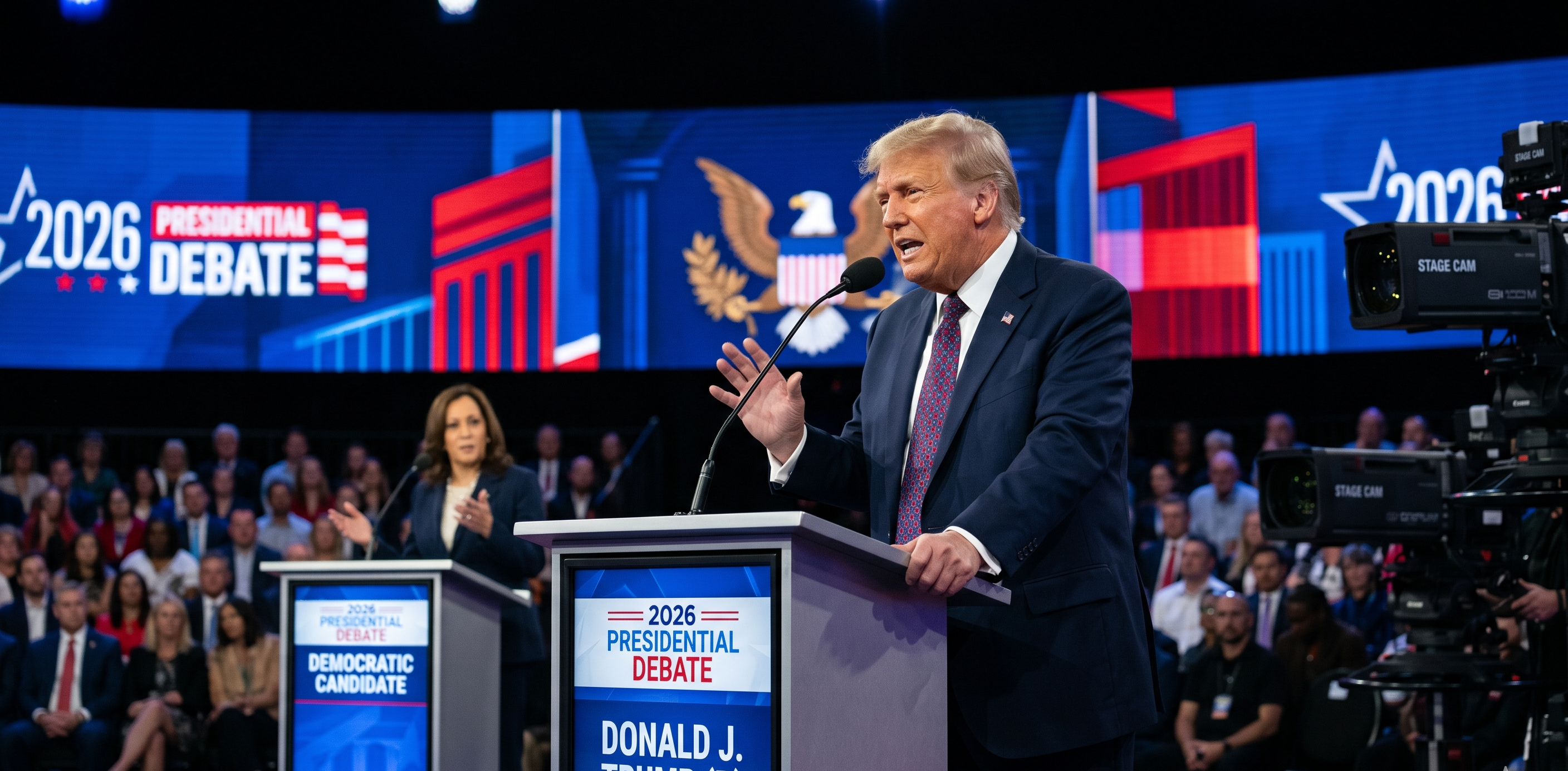
The proposed $1.5 trillion defense spending plan associated with Donald Trump has triggered an uncommon wave of resistance within segments of the Republican Party, exposing internal divisions over fiscal priorities and the scale of US military expenditure. The discussion comes at a time when global markets are closely watching US fiscal policy, debt dynamics, and defense-sector demand, all of which carry implications for contractors, bond markets, and geopolitical risk pricing. For global investors, including those in Israel with exposure to defense and macro-sensitive assets, the debate adds another layer of policy uncertainty in an already complex fiscal environment.
Fiscal Expansion Meets Political Friction
The proposed defense framework, reportedly centered on a multi-year expansion of military capabilities and procurement, has raised concerns among fiscal conservatives within the Republican Party. While defense spending has historically enjoyed bipartisan support in the United States, the scale of the proposed package has prompted questions about affordability and long-term budget impact.
Lawmakers expressing reservations have pointed to rising US federal debt levels and increasing interest costs as key constraints. With US debt exceeding $34 trillion according to recent Treasury data, the cost of servicing obligations has become a growing share of federal expenditures, intensifying scrutiny over additional large-scale commitments.
The internal Republican debate reflects a broader tension in US fiscal policy: balancing national security priorities with mounting pressure for deficit control.
Defense Spending as a Structural Market Driver
Despite political pushback, defense spending remains a major structural driver of global capital flows, particularly in aerospace, cybersecurity, and advanced weapons systems. Large-scale procurement plans typically translate into multi-year revenue visibility for defense contractors, influencing equity valuations and order backlogs.
Markets have historically treated US defense budgets as relatively stable, but increasing political fragmentation introduces an element of uncertainty. Any delays, revisions, or scaling back of proposed allocations could affect sentiment across defense-linked equities and supply chains.
For investors, including those in Israel where defense technology and security industries are closely integrated with global procurement ecosystems, US budget decisions remain a key external demand signal.
Debt Dynamics and Bond Market Sensitivity
The broader macroeconomic context is increasingly important in evaluating large fiscal proposals. Higher interest rates have amplified the cost of government borrowing, making additional long-term commitments more expensive to finance. US Treasury yields remain a key transmission channel through which fiscal expectations influence global financial conditions.
Bond markets are particularly sensitive to signals of expanded deficit spending, as higher issuance can place upward pressure on yields over time. This dynamic feeds into global risk pricing, affecting equities, currencies, and capital allocation decisions across developed markets.
At the same time, defense spending is often viewed as politically durable, meaning markets must balance short-term fiscal concerns with long-term policy expectations.
Outlook: Policy Negotiations and Market Sensitivity in Focus
Looking ahead, the trajectory of the $1.5 trillion defense proposal will depend on negotiations within the Republican Party, broader congressional dynamics, and fiscal constraints tied to debt and interest rate conditions. Any revisions to the scale or timing of the plan could influence sentiment across defense contractors and macro-sensitive assets.
Key risks include prolonged intra-party disagreement, potential delays in budget approval, and heightened scrutiny from fiscal watchdogs. On the other hand, eventual approval of a large-scale defense package could reinforce long-term spending visibility for the sector.
For global investors, including those in Israel, the development underscores the intersection of US fiscal policy and geopolitical strategy, with defense spending continuing to serve as both an economic driver and a key market signal.
Comparison, examination, and analysis between investment houses
Leave your details, and an expert from our team will get back to you as soon as possible
* This article, in whole or in part, does not contain any promise of investment returns, nor does it constitute professional advice to make investments in any particular field.
To read more about the full disclaimer, click here
- Lior mor
- •
- 7 Min Read
- •
- ago 21 hours
SKN | Trump Reviews Iran Proposal With Advisers as Diplomatic Uncertainty Grips Markets
Former US President Donald Trump has discussed a proposal related to Iran with his advisers, according to a statement from
- ago 21 hours
- •
- 7 Min Read
Former US President Donald Trump has discussed a proposal related to Iran with his advisers, according to a statement from

- orshu
- •
- 6 Min Read
- •
- ago 2 days
SKN | Stock Futures Slip as US-Iran Talks and Big Tech Earnings Weigh on Market Sentiment
US stock futures moved lower as investors assessed renewed geopolitical developments tied to US-Iran negotiations alongside a critical wave
- ago 2 days
- •
- 6 Min Read

US stock futures moved lower as investors assessed renewed geopolitical developments tied to US-Iran negotiations alongside a critical wave
- omer bar
- •
- 7 Min Read
- •
- ago 1 week
SKN | Will Extended Iran Ceasefire and Continued Blockade Stabilize or Further Strain Global Energy Markets?
The extension of the Iran ceasefire by U.S. President Donald Trump, alongside the continuation of economic blockade measures, comes at
- ago 1 week
- •
- 7 Min Read
The extension of the Iran ceasefire by U.S. President Donald Trump, alongside the continuation of economic blockade measures, comes at

- omer bar
- •
- 7 Min Read
- •
- ago 1 week
SKN | Does the U.S. Seizure of an Iranian Vessel Signal Escalation and Threaten Fragile Peace Talks?
The reported seizure of an Iranian-linked vessel by the United States during an enforcement operation has added a new layer
- ago 1 week
- •
- 7 Min Read

The reported seizure of an Iranian-linked vessel by the United States during an enforcement operation has added a new layer

