




- Lior mor
- •
- 6 Min Read
- •
- 28 minutes ago


Key Points
- The November U.S. Manufacturing PMI declined to 54.5 from 54.9 in October, although it remained slightly above the market estimate of 54.5.
- The Services PMI fell to 54.7 from 56.1, missing the 55.5 consensus estimate, while the Composite PMI declined to 54.6 from 55.8.
- Despite the moderation across all three indicators, readings above 50 continue to indicate expansion, suggesting that U.S. economic activity remains resilient even as momentum softens.

Manufacturing Growth Moderates
U.S. manufacturing activity slowed modestly in November, with the Manufacturing PMI declining to 54.5 from 54.9 in the previous month. The reading matched market expectations, suggesting that the slowdown was broadly anticipated by analysts.
Despite the decline, the index remains comfortably above the 50-point threshold that separates expansion from contraction. This indicates that manufacturing activity continues to grow, although the pace has moderated slightly.
The historical chart shows how manufacturing activity has experienced substantial fluctuations over the past decade, including the sharp contraction during the 2020 pandemic period and the subsequent recovery. More recently, the index has moved back into expansion territory, suggesting improved conditions across the sector.
The latest reading therefore reflects continued growth rather than a contraction, but the direction of the indicator suggests that momentum is no longer accelerating as strongly as in previous months.
Services Sector Loses Momentum
The Services PMI declined more noticeably, falling to 54.7 from 56.1 in October and missing the 55.5 market estimate. Given the services sector’s significant contribution to the U.S. economy, the slowdown provides an important indication that economic momentum may be moderating more broadly.
Services activity nevertheless remains in expansion territory. The decline indicates slower growth rather than an outright contraction, meaning businesses are still reporting an increase in activity overall.
The weaker services reading, combined with the manufacturing slowdown, suggests that economic growth is becoming less pronounced across multiple sectors. Businesses may be facing a more challenging environment involving demand uncertainty, cost pressures and changing customer behavior.
Composite PMI Signals Slower but Continued Growth
The Composite PMI declined to 54.6 from 55.8 in October, reflecting the combined moderation in manufacturing and services activity.
The composite reading remains above 50, indicating that overall private-sector activity continues expanding. However, the decline suggests that the pace of growth has weakened, making the latest report a signal of moderation rather than economic deterioration.
For investors, the combination of slower manufacturing and services growth may influence expectations for corporate earnings, interest rates and monetary policy. Continued expansion could support earnings and economic resilience, while a sustained decline in PMI readings could raise concerns about future growth.
For U.S. and Israeli investors with exposure to American equities and fixed-income markets, the November data offer a mixed picture: the economy remains in expansion, but growth momentum is easing.
The coming months will be important in determining whether the slowdown represents a temporary moderation or the beginning of a broader weakening trend. Investors will continue monitoring PMI readings alongside employment, inflation and consumer spending to assess the trajectory of the U.S. economy.
Comparison, examination, and analysis between investment houses
Leave your details, and an expert from our team will get back to you as soon as possible
* This article, in whole or in part, does not contain any promise of investment returns, nor does it constitute professional advice to make investments in any particular field.
To read more about the full disclaimer, click here
- orshu
- •
- 7 Min Read
- •
- ago 3 hours
SKN | European Markets Rally as Major Indices Post Broad Gains
European equity markets closed November 23 on a broadly positive note, with major regional benchmarks recording gains across the
- ago 3 hours
- •
- 7 Min Read
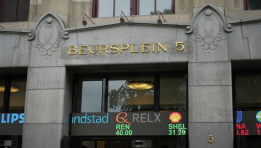
European equity markets closed November 23 on a broadly positive note, with major regional benchmarks recording gains across the
- orshu
- •
- 6 Min Read
- •
- ago 4 hours
SKN | Tel Aviv Stocks Rebound as Major Indices Recover, Led by TA-20
Israeli Equities Recover Following Recent Declines The Tel Aviv Stock Exchange rebounded on Monday, November 23, 2026, with its major
- ago 4 hours
- •
- 6 Min Read

Israeli Equities Recover Following Recent Declines The Tel Aviv Stock Exchange rebounded on Monday, November 23, 2026, with its major
- orshu
- •
- 7 Min Read
- •
- ago 6 hours
SKN | US Markets Rally as Nasdaq and S&P 500 Lead Broad Equity Gains
US markets were open on November 23, with the latest market figures reflecting a strong rebound across major equity
- ago 6 hours
- •
- 7 Min Read

US markets were open on November 23, with the latest market figures reflecting a strong rebound across major equity

- Lior mor
- •
- 5 Min Read
- •
- ago 10 hours
SKN | Asian Markets Decline on November 23, 2026 as Nikkei Falls 5.06% and KOSPI Drops 3.31%
Asian Equities Face Broad Selling Pressure Asian equities experienced a broad downturn on November 23, with major benchmarks across Japan,
- ago 10 hours
- •
- 5 Min Read

Asian Equities Face Broad Selling Pressure Asian equities experienced a broad downturn on November 23, with major benchmarks across Japan,
