




- Ronny Mor
- •
- 7 Min Read
- •
- 2 minutes ago


Key Points
- President Donald Trump told CBS’s "60 Minutes" that artificial intelligence risks can be managed and signaled openness to federal guardrails, softening his previous resistance to oversight.
- The White House shift coincides with Democratic congressional gains in the midterms and follows a $2.5 trillion technology rout sparked by fears of uncoordinated data-center moratoriums.
- For international allocators and Israeli tech ventures, executive openness to structured guidelines reduces regulatory tail-risk while establishing clearer compliance perimeters for dual-use software.
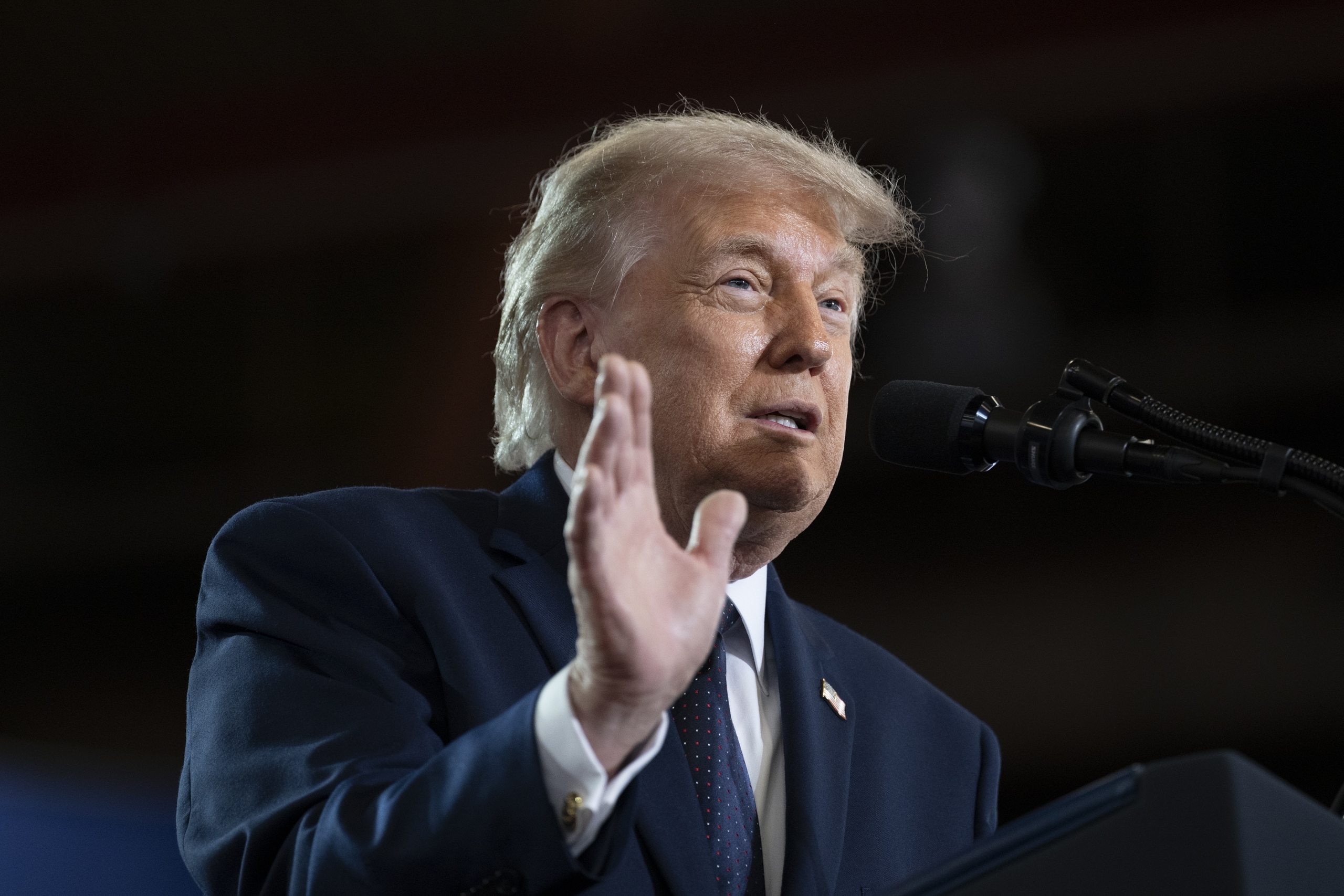
President Donald Trump stated that the systemic risks of artificial intelligence can be effectively managed and indicated an openness to establishing federal guardrails during an interview broadcast on CBS’s “60 Minutes”. The remarks mark a pragmatic rhetorical pivot from earlier dismissals of safety anxieties, arriving immediately after the U.S. midterm elections altered the balance of power in Washington. Unfolding against the backdrop of last week’s $2.5 trillion global technology liquidation and mounting scrutiny over utility grid strain, the White House stance signals an effort to construct an executive regulatory baseline before newly empowered congressional committees enact restrictive statutory mandates.
Executive Pragmatism to Preempt Fragmented Legislative Overreach
The president’s calculated concession reflects mounting political and financial realities following the November midterms. With Democrats capturing the governor’s mansion in Texas and making decisive gains on Capitol Hill, legislative momentum for environmental oversight on multi-gigawatt data centers and rigorous safety audits has accelerated. By publicly expressing willingness to accept targeted guardrails, the administration is positioning its intergovernmental Super Intelligence Task Force to steer the regulatory agenda, aiming to protect commercial innovation while neutralizing bipartisan criticism regarding national security vulnerabilities and domestic energy disruption.
The market reaction across equity and credit desks was cautiously constructive following days of acute multiple compression. Technology strategists noted that while investors historically disfavor state regulation, the primary driver of last week’s 5.5% Nasdaq plunge was the threat of chaotic, state-level permitting freezes and open-ended liability traps. A unified federal framework championed by the executive branch offers institutional capital predictable rules of engagement, potentially establishing safe harbors for hyperscale infrastructure expenditures after cloud operators deployed an unprecedented $200 billion in capex last quarter.
Cross-Border Transmission and Repercussions for Israeli Tech Corridors
The White House’s readiness to codify federal standards carries direct strategic read-throughs for global asset allocators and Israel’s enterprise technology ecosystem. As a primary exporter of dual-use artificial intelligence, cybersecurity architecture, and algorithmic optimization to North American defense and enterprise channels, Israeli startups depend heavily on cross-border regulatory alignment. Transparent federal guardrails from Washington establish an actionable export and deployment template for Israeli developers seeking commercial and government procurement contracts, removing compliance ambiguity around frontier model integration.
On the Tel Aviv Stock Exchange (TASE), domestic technology allocators viewed the shift as a necessary step toward stabilizing equity multiples. With benchmark 10-year U.S. Treasury yields holding near 4.90% and the New Israeli Shekel (NIS) consolidating around 3.14 per dollar, local pension and provident fund managers have maintained a defensive posture. Israeli institutional desks are increasingly favoring software providers that embed compliance-by-design and transparent data governance, recognizing that access to U.S. hyperscale computing networks will increasingly hinge on meeting codified federal security standards.
Outlook: Legislative Hearings, Defense Guidance, and Valuation Support
Moving through November, market participants will monitor whether congressional leaders accept the White House’s executive framework or push ahead with independent statutory investigations. Key catalysts to track include the Pentagon’s formal publication of existing legal obligations governing artificial intelligence laboratories later this month, alongside preliminary committee agendas from the incoming Congress. If the administration successfully anchors a balanced regulatory compromise, it could establish a durable valuation floor for battered semiconductor and infrastructure constituents; however, any emergence of hostile legislative deadlock could prolong volatility across global technology benchmarks.
Comparison, examination, and analysis between investment houses
Leave your details, and an expert from our team will get back to you as soon as possible
* This article, in whole or in part, does not contain any promise of investment returns, nor does it constitute professional advice to make investments in any particular field.
To read more about the full disclaimer, click here
- Arik Arkadi Sluzki
- •
- 7 Min Read
- •
- ago 3 days
SKN | Google Commits $17 Billion to Wyoming Data Center as Political Resistance Grows
Alphabet's Google plans to invest $17 billion to build its first data center in Wyoming, advancing a major artificial
- ago 3 days
- •
- 7 Min Read

Alphabet's Google plans to invest $17 billion to build its first data center in Wyoming, advancing a major artificial

- Lior mor
- •
- 7 Min Read
- •
- ago 3 days
SKN | SpaceX and Tesla Extend Losses as Midterm Results Cloud AI Data-Center and Merger Outlook
Shares of Elon Musk's SpaceX and Tesla extended their losses on Thursday as investors reassessed the outlook for AI
- ago 3 days
- •
- 7 Min Read
Shares of Elon Musk's SpaceX and Tesla extended their losses on Thursday as investors reassessed the outlook for AI

- sagi habasov
- •
- 7 Min Read
- •
- ago 3 days
SKN | U.S. Data-Center Curbs Could Put Major AI Infrastructure Projects Under Pressure After Democratic Gains
Democratic victories in several key U.S. states are increasing expectations of tighter oversight for data-center development, creating a new
- ago 3 days
- •
- 7 Min Read

Democratic victories in several key U.S. states are increasing expectations of tighter oversight for data-center development, creating a new

- Ronny Mor
- •
- 7 Min Read
- •
- ago 3 days
SKN | Nvidia AI Chips Pile Up in Hong Kong as China Withholds Import Approval
About 600,000 Nvidia H200 artificial intelligence chips are reportedly being held in Hong Kong while awaiting approval for shipment
- ago 3 days
- •
- 7 Min Read
About 600,000 Nvidia H200 artificial intelligence chips are reportedly being held in Hong Kong while awaiting approval for shipment
