





- Ronny Mor
- •
- 6 Min Read
- •
- 9 seconds ago


Key Points
- President Donald Trump said Chinese automakers could build vehicles in the United States, despite opposition from some lawmakers and domestic auto companies.
- The potential entry of Chinese car manufacturers highlights shifting global automotive strategies as companies seek local production and access to major markets.
- U.S. automakers face increased competitive pressure as foreign manufacturers expand their presence through domestic factories and supply chains.
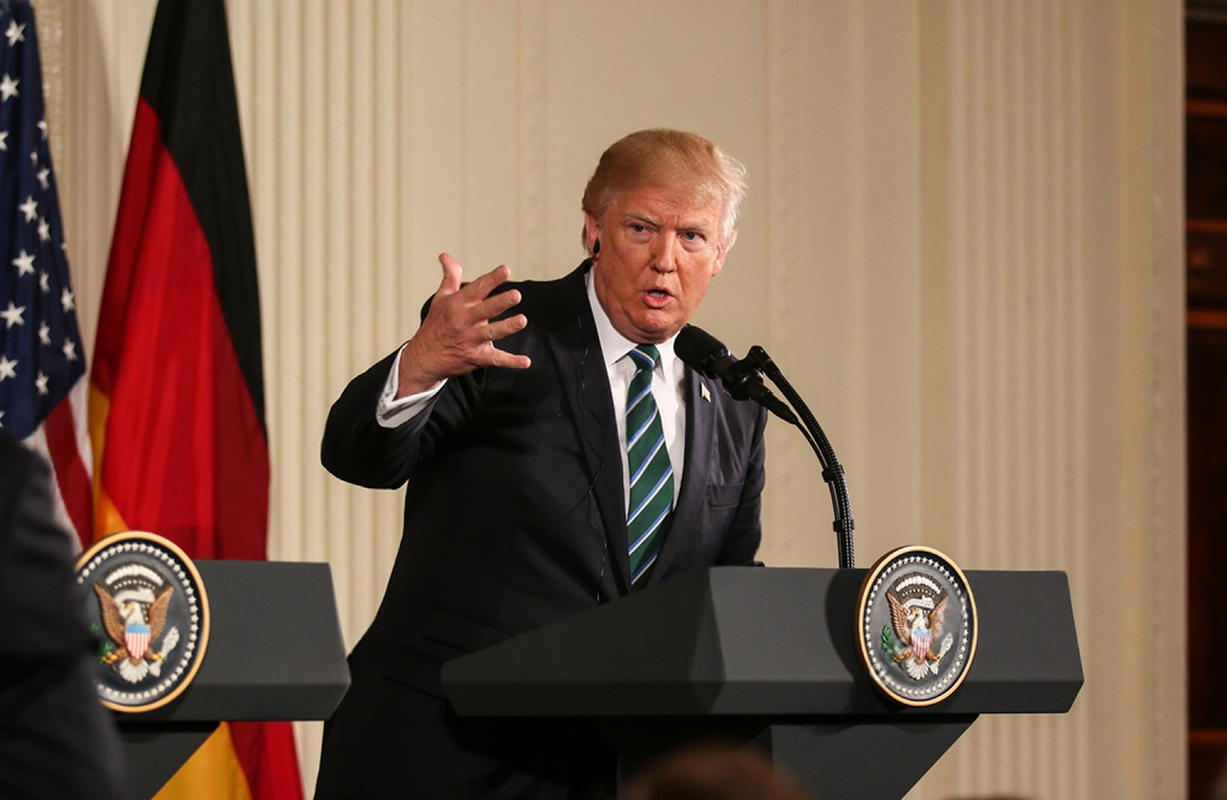
President Donald Trump’s comments that he would accept Chinese automakers building vehicles in the United States have introduced a new dimension into the ongoing debate over automotive trade, industrial policy and foreign investment. The statement comes as the global auto industry undergoes a major transformation driven by electric vehicles, supply chain restructuring and increasing competition from Chinese manufacturers.
While Chinese vehicle makers have faced significant political resistance in Washington, the possibility of local production represents a potential shift in how international automotive companies approach the U.S. market. The issue also reflects broader tensions between protecting domestic industries and attracting foreign investment that creates jobs and manufacturing capacity.
Chinese Automakers Could Consider US Production Strategy
In an interview with Fox News, Trump said he would not oppose Chinese companies opening factories in the United States, emphasizing that the key factor would be employment creation. He compared the possibility to Japanese automakers, which established U.S. manufacturing operations and hired American workers.
The approach reflects a broader trend in the automotive sector, where global manufacturers increasingly build vehicles closer to major consumer markets to reduce logistical risks and navigate trade barriers. Companies from Japan, South Korea and Europe have already developed significant production networks in North America.
For Chinese automakers, entering the U.S. market through domestic manufacturing could provide a way to overcome tariffs and political restrictions that have limited direct vehicle imports. However, any expansion would likely face regulatory, security and political scrutiny.
Competition Pressure Builds for Traditional Automakers
The potential arrival of Chinese manufacturers adds another layer of competition for established U.S. automakers including Ford and General Motors. Domestic companies are already investing heavily in electric vehicles, battery technology and software-driven automotive platforms while facing pressure from lower-cost global competitors.
Chinese automakers have gained market share internationally, particularly in electric vehicles, where companies have benefited from extensive battery supply chains and competitive production costs. Their expansion into additional markets has become a strategic concern for many traditional automotive manufacturers.
At the same time, foreign investment in U.S. manufacturing could bring economic benefits through factory construction, employment and supply chain development. The challenge for policymakers is balancing industrial protection with the advantages of attracting global capital.
Trade Policy and Automotive Investment Remain Key Market Themes
The automotive sector has become a central focus of global trade discussions as governments attempt to strengthen domestic manufacturing capabilities. The United States has previously introduced measures aimed at supporting local production of electric vehicles and critical technologies.
Trump’s comments do not represent a formal policy change, but they highlight the continuing debate over how the U.S. should approach foreign manufacturers. Any future Chinese automotive investment would likely depend on regulatory approvals, market conditions and negotiations surrounding trade relationships.
The global automotive landscape is expected to remain shaped by manufacturing localization, electric vehicle competition and supply chain diversification. Investors and industry participants will continue monitoring whether Chinese automakers pursue U.S. production opportunities, how domestic manufacturers respond, and whether trade policies evolve toward greater openness or additional restrictions.
Comparison, examination, and analysis between investment houses
Leave your details, and an expert from our team will get back to you as soon as possible
* This article, in whole or in part, does not contain any promise of investment returns, nor does it constitute professional advice to make investments in any particular field.
To read more about the full disclaimer, click here
- Ronny Mor
- •
- 7 Min Read
- •
- ago 42 minutes
SKN | Hang Seng Index Contracts 3.30% Weekly to 24,805.63: Are Offshore Chinese Equities Consolidating Amid Rate-Hike Concerns?
The Hang Seng Index (^HSI) experienced significant downside pressure across Hong Kong trading sessions over the week, ultimately settling
- ago 42 minutes
- •
- 7 Min Read
The Hang Seng Index (^HSI) experienced significant downside pressure across Hong Kong trading sessions over the week, ultimately settling

- sagi habasov
- •
- 6 Min Read
- •
- ago 2 hours
SKN | US Solar Tariffs Escalate as Washington Targets Asian Imports and Reshapes Clean Energy Supply Chains
The United States has intensified its efforts to protect domestic solar manufacturing by imposing significant new trade barriers on
- ago 2 hours
- •
- 6 Min Read
The United States has intensified its efforts to protect domestic solar manufacturing by imposing significant new trade barriers on

- orshu
- •
- 7 Min Read
- •
- ago 2 hours
SKN | US Senate Weighs New AI Safety Rules as Lawmakers Seek Greater Accountability From Technology Firms
The rapid expansion of artificial intelligence has moved regulation to the center of technology policy discussions, with U.S. lawmakers
- ago 2 hours
- •
- 7 Min Read
The rapid expansion of artificial intelligence has moved regulation to the center of technology policy discussions, with U.S. lawmakers

- Arik Arkadi Sluzki
- •
- 7 Min Read
- •
- ago 2 hours
SKN | HDFC Bank Moves Toward CEO Transition as India’s Largest Private Lender Submits Candidates
India’s largest private-sector lender, HDFC Bank, has taken a key step in its leadership transition by submitting the names
- ago 2 hours
- •
- 7 Min Read

India’s largest private-sector lender, HDFC Bank, has taken a key step in its leadership transition by submitting the names

