




- Ronny Mor
- •
- 7 Min Read
- •
- 32 seconds ago


Key Points
- President Donald Trump signed an executive proclamation exempting specific Canadian imports from punitive 50% tariffs while imposing new duties on valves, carpets, and industrial waste effective October 30, 2026.
- Exemptions target corrugated paper, packing containers, refrigeration equipment, and machinery utilized by blueberry, potato, apple, and aquaculture growers across Maine following advocacy by Republican Senator Susan Collins.
- The tariffs, levied under Section 338 of the Tariff Act of 1930 and stacked on Section 232 duties, face legal challenges at the U.S. Court of International Trade contesting administrative authority.
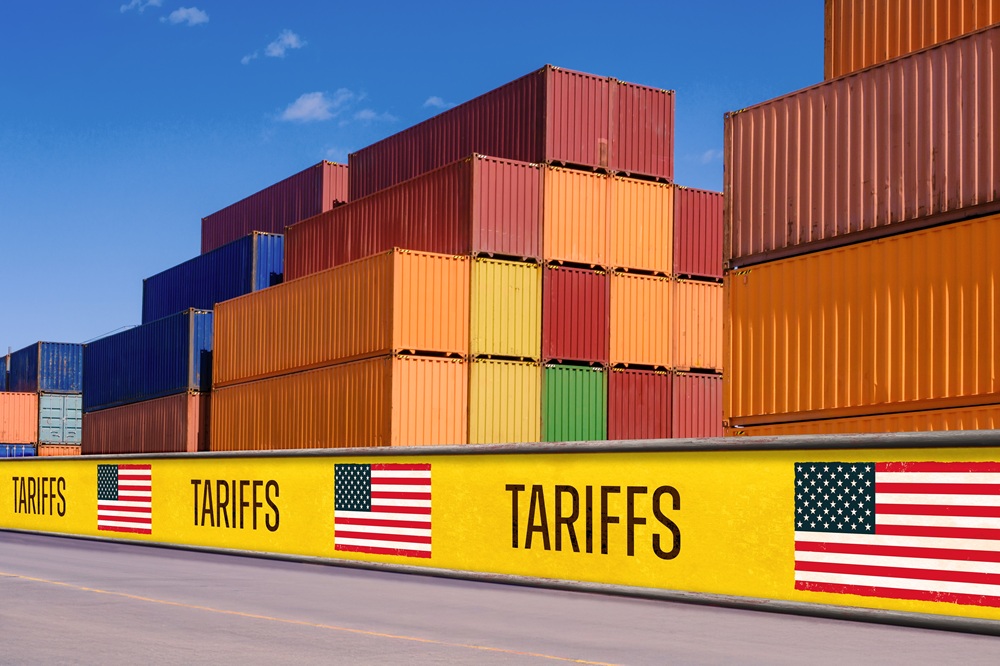
The Economic Mechanism: Section 338 Authority and Agricultural Cost Rollover
The economic dynamics governing this tariff revision center on upstream supply chain disruption and corporate cost rollover mechanics. Deployed under Section 338 of the Tariff Act of 1930—an authority empowering punitive action against trading partners that discriminate against U.S. commerce—these duties apply universally regardless of United States-Mexico-Canada Agreement (USMCA) origination and stack on top of preexisting Section 232 metals duties. The initial inclusion of packaging materials, refrigeration assets, and agricultural machinery triggered an immediate cost surge for northeastern growers lacking near-term domestic substitutes. By removing packing boxes, corrugated paper, and cooling gear from the 50% penalty schedule, the administration relieves operating margins for regional agricultural producers; however, newly added duties on industrial valves and carpeting promptly roll these inflationary costs onto commercial manufacturing and building sectors.
Market Psychology: Eradicating Policy Certainty and Tracking Election Catalysts
On a psychological level, the proclamation dismantles baseline assumptions regarding rigid tariff continuity, highlighting vulnerability to targeted political intervention. The tightly contested reelection battle facing Senator Susan Collins against Democrat Troy Jackson in Maine proved that local producer outrage can force administrative compromises. Nevertheless, capital markets harbor no sustained optimism bias; institutional participants recognize that selective exemptions represent tactical vote-preservation rather than a durable diplomatic detente with Ottawa. Concurrently, litigation initiated by Gellert Global Group at the U.S. Court of International Trade—alleging presidential overreach under Section 338—amplifies institutional hedging, as enterprise supply chain managers struggle with erratic regulatory parameters that undermine forward capital budgeting.
Strategic Asset Allocation and Cross-Border Sector Rebalancing
For global portfolio managers, Quartz’s October 2026 report serves as a primary catalyst for strategic asset allocation adjustments within consumer staples, agribusiness, and industrial hardware sleeves. Persistent supply-chain policy friction requires investment committees to attach elevated geopolitical risk premiums to equities exposed to Canadian cross-border inputs, favoring enterprises possessing flexible multi-jurisdictional sourcing alternatives.
In conclusion, the late-October recalibration of Canadian tariffs confirms that trade friction has entered a granular phase of micro-targeted regulatory carve-outs. Corporate resilience will depend on agile supply chain substitution and the capacity to absorb localized input price increases. For professional asset managers, monitoring federal trade court injunction rulings and broader post-election USMCA renegotiation talks remains paramount to evaluating equity valuations across trade-exposed sectors throughout upcoming quarters.
Comparison, examination, and analysis between investment houses
Leave your details, and an expert from our team will get back to you as soon as possible
* This article, in whole or in part, does not contain any promise of investment returns, nor does it constitute professional advice to make investments in any particular field.
To read more about the full disclaimer, click here
- Lior mor
- •
- 8 Min Read
- •
- ago 22 hours
SKN | Fed Rate Signals Leave Investors Uncertain as Inflation Data Challenges Policy Guidance
Investors entered October expecting the Federal Reserve to hold interest rates steady, following a series of public comments from policymakers
- ago 22 hours
- •
- 8 Min Read

Investors entered October expecting the Federal Reserve to hold interest rates steady, following a series of public comments from policymakers
- Lior mor
- •
- 6 Min Read
- •
- ago 2 days
SKN | U.S. Business Activity Cools as Strong Demand Fuels Fresh Price Pressures
U.S. business activity slowed modestly in October, but resilient demand allowed companies to raise prices for goods and services,
- ago 2 days
- •
- 6 Min Read

U.S. business activity slowed modestly in October, but resilient demand allowed companies to raise prices for goods and services,

- orshu
- •
- 6 Min Read
- •
- ago 3 days
SKN | London Stocks End Lower as Oil Surge and UK Budget Uncertainty Weigh on Markets
London stocks ended lower on Friday as surging oil prices reduced risk appetite and investors turned increasingly cautious ahead
- ago 3 days
- •
- 6 Min Read

London stocks ended lower on Friday as surging oil prices reduced risk appetite and investors turned increasingly cautious ahead

- Ronny Mor
- •
- 7 Min Read
- •
- ago 3 days
SKN | Could Higher Interest Rates Add Nearly $6 Trillion to U.S. Deficits by 2036?
The U.S. government faces a growing fiscal challenge as elevated borrowing costs threaten to increase the cost of servicing
- ago 3 days
- •
- 7 Min Read

The U.S. government faces a growing fiscal challenge as elevated borrowing costs threaten to increase the cost of servicing
