





- orshu
- •
- 8 Min Read
- •
- 3 months ago


Key Points
- Global energy markets continue facing supply risks despite recent stabilization in oil and natural gas prices.
- Geopolitical tensions, tight inventories, and underinvestment in traditional energy infrastructure remain major concerns for investors.
- Higher energy costs could continue influencing inflation, central bank policy, and global economic growth in the coming quarters.

The global energy crisis that reshaped inflation, monetary policy, and industrial production over the past several years may not be over yet. Although oil and natural gas prices have retreated from their extreme peaks, analysts continue warning that structural supply challenges, geopolitical instability, and rising global energy demand could trigger renewed volatility across energy markets.
Energy remains one of the most strategically important sectors within the global economy, influencing everything from transportation and manufacturing to inflation expectations and central bank policy decisions. Investors are increasingly reassessing whether current market conditions reflect a temporary stabilization or the early stages of another potential energy supply shock.
Supply Constraints Continue Pressuring Energy Markets
One of the primary concerns facing global energy markets is the growing imbalance between long-term demand and constrained supply growth. Years of underinvestment in traditional oil and gas infrastructure, combined with stricter environmental policies and capital discipline among energy producers, have limited the pace of new production expansion.
Major producers within OPEC+ continue managing supply carefully, while geopolitical instability across the Middle East and disruptions involving Russian energy exports remain important sources of uncertainty. Global crude inventories in parts of Asia and Europe have also tightened significantly, raising concerns regarding energy security ahead of seasonal demand increases.
At the same time, energy demand continues growing in emerging markets despite slower economic activity in some developed economies. Industrial activity, aviation demand, transportation growth, and expanding data center infrastructure tied to artificial intelligence are all contributing to long-term energy consumption trends.
Analysts note that even modest supply disruptions could create outsized price movements if inventories remain low. Shipping route disruptions, refinery outages, or unexpected geopolitical escalations could quickly tighten global energy balances further.
Energy Prices Remain Closely Linked to Inflation Risks
The energy sector continues playing a major role in shaping inflation trends globally. Higher oil and natural gas prices directly affect transportation costs, manufacturing expenses, electricity pricing, and consumer spending power across major economies.
Central banks including the Federal Reserve and the European Central Bank remain highly sensitive to energy-driven inflation pressures. Although inflation has moderated from earlier peaks, policymakers continue monitoring energy costs closely because renewed price spikes could complicate interest rate decisions and delay monetary easing expectations.
For Europe, energy security remains especially critical following the restructuring of energy supply chains after the reduction of Russian gas imports. While Europe successfully diversified energy sourcing, the region remains vulnerable to global LNG price volatility and external supply disruptions.
Israeli investors are also closely watching energy market developments due to Israel’s strategic role within Eastern Mediterranean gas infrastructure and broader regional geopolitical dynamics. Energy price fluctuations can significantly influence inflation, currency markets, industrial costs, and investor sentiment across Israeli and international markets.
Transition to Renewable Energy Creates New Challenges
The global shift toward renewable energy continues reshaping long-term investment strategies across the energy sector. Governments and corporations worldwide are increasing investment in solar, wind, battery storage, hydrogen, and grid modernization technologies as part of broader decarbonization efforts.
However, analysts increasingly argue that the energy transition itself may contribute to volatility during the coming decade. Demand for traditional fossil fuels remains substantial, while renewable infrastructure expansion may not yet be sufficient to fully replace conventional energy systems at global scale.
Critical mineral shortages, electricity grid limitations, and rising demand from artificial intelligence infrastructure are adding additional complexity to global energy planning. Data centers supporting AI systems require enormous electricity consumption, further increasing pressure on already strained power networks.
Institutional investors are therefore balancing long-term renewable investment opportunities with continued exposure to traditional energy producers benefiting from strong cash flow conditions and tighter commodity markets.
Looking ahead, investors will closely monitor global oil inventories, OPEC+ production policy, geopolitical developments, inflation trends, and renewable infrastructure investment for signals regarding the future direction of energy markets. While recent price stabilization has eased some immediate concerns, persistent supply constraints and rising long-term demand suggest that energy volatility could remain a defining feature of the global economy for years to come.
Comparison, examination, and analysis between investment houses
Leave your details, and an expert from our team will get back to you as soon as possible
* This article, in whole or in part, does not contain any promise of investment returns, nor does it constitute professional advice to make investments in any particular field.
To read more about the full disclaimer, click here
- Arik Arkadi Sluzki
- •
- 6 Min Read
- •
- ago 60 minutes
SKN | Oil Prices Reach Three-Week High as US-Iran Tensions Increase Supply Risks
Oil prices climbed to their highest level in more than three weeks on Tuesday as fading expectations for a
- ago 60 minutes
- •
- 6 Min Read

Oil prices climbed to their highest level in more than three weeks on Tuesday as fading expectations for a

- omer bar
- •
- 6 Min Read
- •
- ago 20 hours
SKN | Oil Prices Rise as U.S.-Iran Peace Hopes Fade and Supply Risks Mount
Oil prices moved higher as deteriorating prospects for a U.S.-Iran peace agreement renewed concerns about global energy supplies. The latest
- ago 20 hours
- •
- 6 Min Read
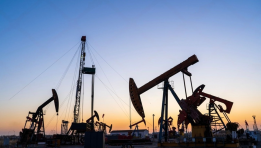
Oil prices moved higher as deteriorating prospects for a U.S.-Iran peace agreement renewed concerns about global energy supplies. The latest
- omer bar
- •
- 6 Min Read
- •
- ago 23 hours
SKN | China’s Oil Throughput Shows First Monthly Recovery Since Iran War, but Demand Remains Weak
China’s crude oil processing activity showed a modest recovery in July, providing an early sign that the world’s largest
- ago 23 hours
- •
- 6 Min Read

China’s crude oil processing activity showed a modest recovery in July, providing an early sign that the world’s largest
- omer bar
- •
- 6 Min Read
- •
- ago 1 day
SKN | NexGen Energy Seeks $1 Billion to Advance Major Uranium Project as BHP Talks Continue
NexGen Energy is moving into a critical financing phase for its Rook I uranium project in Saskatchewan's Athabasca Basin,
- ago 1 day
- •
- 6 Min Read

NexGen Energy is moving into a critical financing phase for its Rook I uranium project in Saskatchewan's Athabasca Basin,

