


- Ronny Mor
- •
- 7 Min Read
- •
- 34 seconds ago
Key Points
- Oil prices dropped nearly 5% as investors reacted to growing optimism surrounding potential peace negotiations between the United States and Iran.
- Brent crude and WTI both fell to their lowest levels since early May despite continued uncertainty surrounding the Strait of Hormuz.
- Analysts warned that even if a diplomatic agreement is reached, global oil supply disruptions could persist for months due to damaged infrastructure and restricted energy flows.
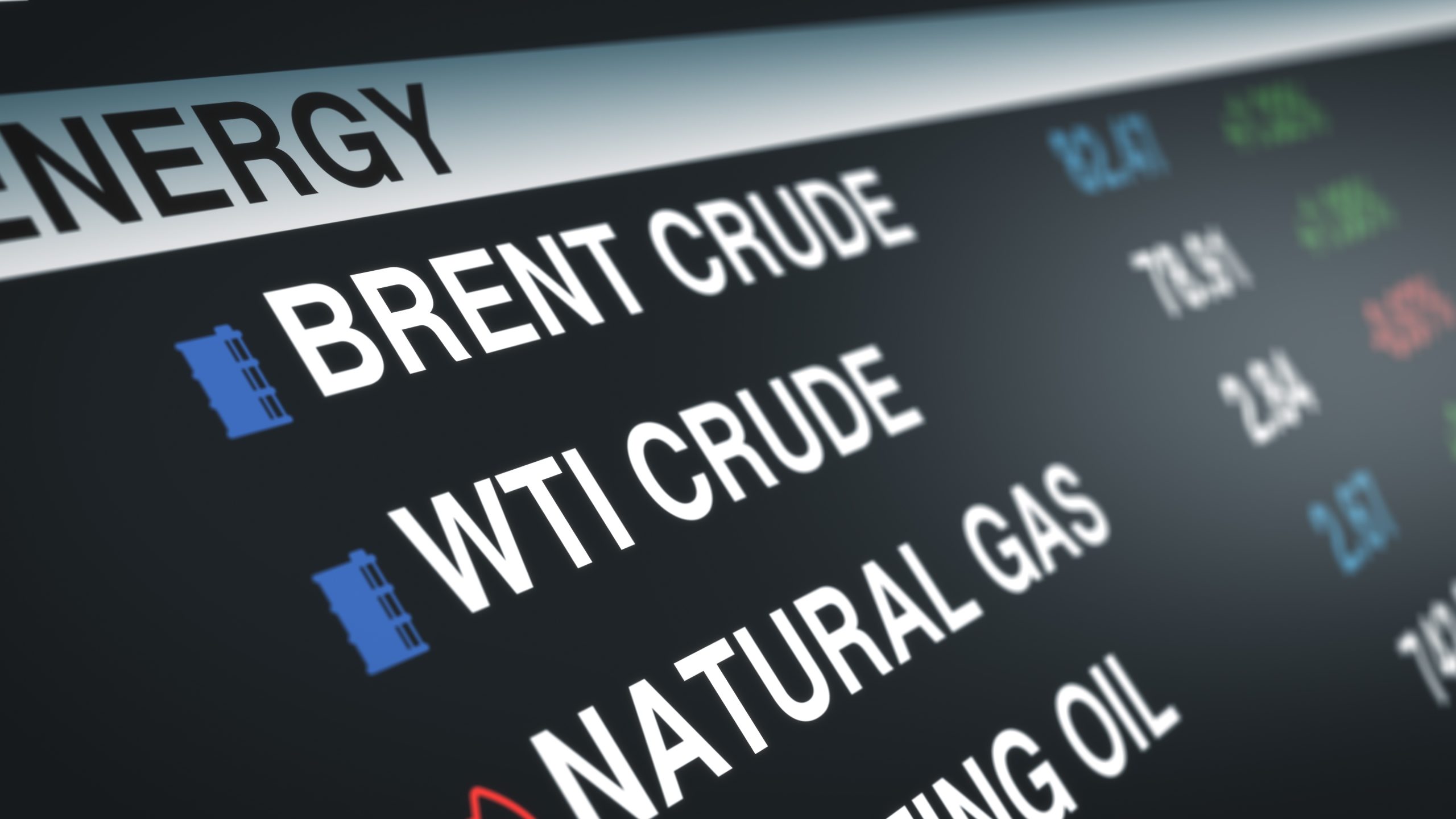
Global oil markets experienced another sharp reversal on Monday as crude prices fell to two-week lows amid renewed optimism that Washington and Tehran may be moving closer toward a diplomatic agreement capable of easing one of the largest energy supply disruptions in modern history.
Brent crude futures declined nearly 5% to trade below $99 per barrel, while West Texas Intermediate crude dropped to roughly $92 per barrel as traders increasingly priced in the possibility that oil flows through the strategically vital Strait of Hormuz could gradually resume.
The latest decline reflects how heavily energy markets remain driven by geopolitical headlines rather than traditional supply-and-demand fundamentals, with investors rapidly shifting positions based on every development tied to the three-month-long conflict.
Diplomatic Progress Improves Market Sentiment
Investor sentiment improved after reports emerged that senior Iranian officials were engaged in discussions in Doha alongside Qatari mediators regarding a potential framework to halt the ongoing conflict.
According to officials familiar with the negotiations, both Washington and Tehran have made progress toward a memorandum of understanding that could temporarily freeze hostilities while allowing negotiators additional time to finalize a broader agreement.
President Donald Trump added to the optimism after stating that talks with Iran were progressing “nicely,” although he also warned that military action could resume if negotiations fail.
The White House also renewed calls for broader regional normalization agreements under the Abraham Accords framework, which analysts believe could materially reduce geopolitical risk premiums across Middle Eastern energy markets.
Markets interpreted the diplomatic momentum as a potential first step toward eventually reopening the Strait of Hormuz, which historically handled nearly 20% of global oil and liquefied natural gas shipments before the conflict disrupted flows.
Supply Constraints Continue to Limit Downside
Despite the sharp decline in oil prices, many analysts caution that physical supply shortages remain severe and unlikely to disappear quickly.
Industry estimates suggest that roughly 10 to 11 million barrels per day of crude supply remain disrupted due to infrastructure damage, shipping restrictions, and reduced production capacity throughout the Gulf region.
Analysts at Sparta Commodities noted that even under an optimistic diplomatic scenario, global inventories will likely continue drawing down for several more months before regional production and export systems fully recover.
UBS analysts similarly emphasized that physical oil flows remain the most important variable for markets, with shipments through Hormuz still operating at heavily restricted levels.
Recent ship-tracking data has shown some gradual movement returning to the waterway, including LNG tankers heading toward China, India, and Pakistan, along with crude shipments leaving Iraq after extended delays.
Volatility Remains the Dominant Market Theme
The sharp swings in crude prices over recent weeks continue highlighting the fragile balance between geopolitical optimism and structural energy risk.
While hopes for diplomacy have reduced some of the extreme risk premiums embedded in oil markets earlier this month, investors remain cautious given the repeated history of negotiations deteriorating unexpectedly.
Energy markets are also attempting to assess the longer-term inflation implications tied to elevated fuel prices, particularly as central banks worldwide increasingly warn about renewed inflationary pressures tied to energy shocks.
Looking ahead, traders will remain highly focused on developments surrounding the Strait of Hormuz, the pace of infrastructure repairs across the Gulf region, and whether ongoing diplomatic discussions can evolve into a durable agreement capable of stabilizing global energy flows.
Comparison, examination, and analysis between investment houses
Leave your details, and an expert from our team will get back to you as soon as possible
* This article, in whole or in part, does not contain any promise of investment returns, nor does it constitute professional advice to make investments in any particular field.
To read more about the full disclaimer, click here
- Ronny Mor
- •
- 8 Min Read
- •
- ago 20 hours
SKN | Alaska’s Oil Revival Reignites Arctic Energy Race Amid Trump’s Expansion Push
Alaska’s long-struggling oil sector is undergoing a dramatic revival as rising geopolitical energy pressures, new geological discoveries, and aggressive federal
- ago 20 hours
- •
- 8 Min Read

Alaska’s long-struggling oil sector is undergoing a dramatic revival as rising geopolitical energy pressures, new geological discoveries, and aggressive federal

- Lior mor
- •
- 8 Min Read
- •
- ago 3 days
SKN | High-Yield Energy Stocks Surge as Wall Street Bets on Cash Flow and Dividend Strength
High-yielding energy companies have emerged as some of the strongest performers in global equity markets as investors increasingly rotate
- ago 3 days
- •
- 8 Min Read

High-yielding energy companies have emerged as some of the strongest performers in global equity markets as investors increasingly rotate
- Ronny Mor
- •
- 8 Min Read
- •
- ago 3 days
SKN | Oil Prices Rise as Markets Question Chances of Fast US-Iran Peace Breakthrough
Oil markets regained some ground on Friday as traders reassessed the probability of a near-term diplomatic breakthrough between Washington and
- ago 3 days
- •
- 8 Min Read
Oil markets regained some ground on Friday as traders reassessed the probability of a near-term diplomatic breakthrough between Washington and

- omer bar
- •
- 8 Min Read
- •
- ago 4 days
SKN | Oil Stabilizes After Sharp Drop as Markets React to U.S.-Iran Negotiation Optimism
Oil prices edged modestly higher on Thursday after suffering one of their sharpest declines in months, as investors continued reacting
- ago 4 days
- •
- 8 Min Read

Oil prices edged modestly higher on Thursday after suffering one of their sharpest declines in months, as investors continued reacting

