




- Lior mor
- •
- 6 Min Read
- •
- 2 minutes ago


Key Points
- Bank of Japan Governor Kazuo Ueda said underlying inflation is quite close to the central bank’s 2% target, with a tight labor market and a modest economic recovery supporting price pressures.
- Strong global demand for artificial intelligence is boosting Japanese investment and exports, adding to inflationary pressures.
- The BOJ’s next policy meeting, scheduled for late October, and its updated economic forecasts could offer clues about the timing of its next interest rate increase.
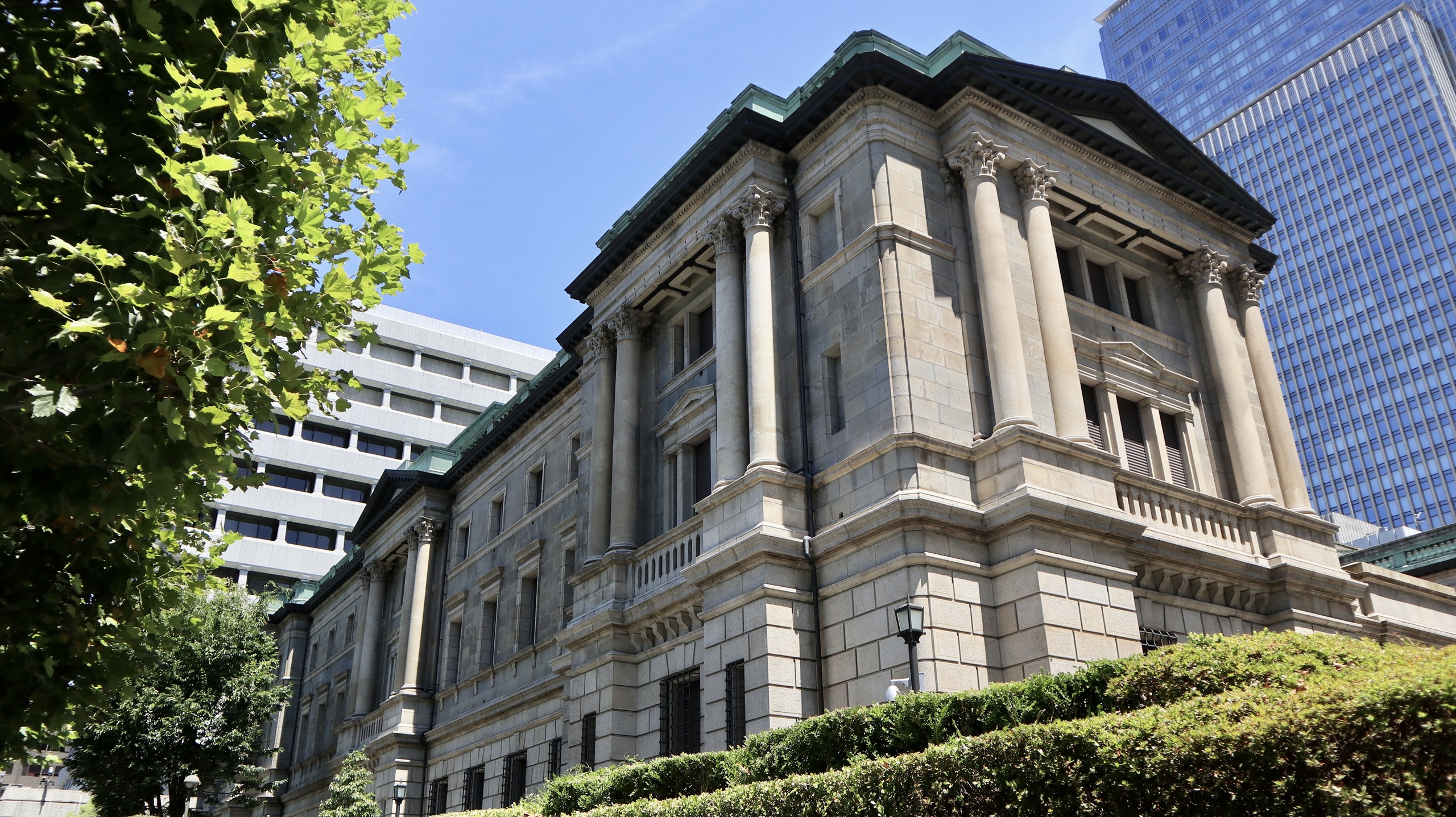
The Bank of Japan (BOJ) is approaching a critical point in its monetary policy, after Governor Kazuo Ueda said underlying inflation is quite close to the central bank’s 2% target. His remarks to parliament on October 19, 2026, reflect a changing economic environment in Japan, where price pressures are being driven not only by raw material costs but also by resilient domestic and global demand. For markets, the central question is whether the BOJ will need to continue raising interest rates to maintain price stability.
Price Pressures Extend Beyond Energy Costs
Ueda said higher raw material costs, amid the conflict in the Middle East, are adding to inflationary pressures. At the same time, a tight labor market and a modest economic recovery are supporting demand and putting further pressure on prices. This combination makes it harder for the central bank to rely solely on a potential easing in cost pressures to bring inflation back to a stable level.
Another factor is particularly strong global demand for artificial intelligence (AI). According to Ueda, this demand is encouraging capital investment and exports in Japan, contributing to price increases across a broader range of goods. This suggests inflation could receive support from business activity and investment, rather than being driven exclusively by temporary increases in raw material costs.
BOJ Seeks to Prevent Inflation From Overshooting Its Target
Ueda emphasized that as underlying inflation moves closer to 2%, anchoring inflation expectations around the target becomes increasingly important. He warned that if the central bank fails to adjust interest rates at an appropriate pace, concerns about inflation overshooting the target could lead to a sharp rise in long-term bond yields. In his view, gradual and appropriate rate adjustments could help reduce the risk of abrupt movements in the bond market.
His comments highlight the challenge facing policymakers. Accommodative financial conditions can support economic activity, but if underlying inflation continues to approach or exceed the target, the BOJ may need to tighten policy further. On the other hand, raising rates too quickly could weigh on credit, investment and domestic demand.
October Policy Decision in Focus
The BOJ’s next meeting, scheduled for late October, will include updated quarterly forecasts for economic growth and inflation. Investors are likely to scrutinize the projections for clues about how policymakers assess the price outlook and when the next rate increase might occur. Alongside domestic data, developments in the Middle East, AI-related demand and exchange-rate movements could also influence the decision.
Markets will also monitor wage growth, domestic demand and companies’ ability to pass higher costs on to consumers. If inflationary pressures remain broad-based and persistent, the case for further monetary policy normalization could strengthen. Conversely, easing cost pressures and softer demand could allow the central bank to proceed cautiously. The updated forecasts and Ueda’s guidance will therefore be central to assessing Japan’s interest rate trajectory and its implications for bonds, the yen and global markets.
Comparison, examination, and analysis between investment houses
Leave your details, and an expert from our team will get back to you as soon as possible
* This article, in whole or in part, does not contain any promise of investment returns, nor does it constitute professional advice to make investments in any particular field.
To read more about the full disclaimer, click here
- sagi habasov
- •
- 7 Min Read
- •
- ago 11 minutes
SKN | RBA Signals Faster Labour Market Cooling as Australia’s Rate-Hike Debate Intensifies
Australia’s central bank is seeing signs that the labour market is losing momentum more quickly than expected, adding a new
- ago 11 minutes
- •
- 7 Min Read
Australia’s central bank is seeing signs that the labour market is losing momentum more quickly than expected, adding a new

- omer bar
- •
- 6 Min Read
- •
- ago 2 days
SKN | Warsh’s Comments Reduce Market Expectations for an October Fed Rate Hike
Warsh Avoids Signaling the Fed’s Next Move Federal Reserve Chair Warsh refrained from indicating whether policymakers would raise interest rates
- ago 2 days
- •
- 6 Min Read
Warsh Avoids Signaling the Fed’s Next Move Federal Reserve Chair Warsh refrained from indicating whether policymakers would raise interest rates
- sagi habasov
- •
- 7 Min Read
- •
- ago 2 days
SKN | U.S. Import Prices Surge as Inflation Pressures Broaden Beyond Energy
x The latest figures followed stronger consumer and producer inflation readings earlier in the week, reinforcing concerns that price
- ago 2 days
- •
- 7 Min Read

x The latest figures followed stronger consumer and producer inflation readings earlier in the week, reinforcing concerns that price
- omer bar
- •
- 7 Min Read
- •
- ago 2 days
SKN | U.S. Import Prices Rise 1.1% as Export Prices Jump 2.2% in September
Import Prices Accelerate Sharply U.S. import prices rose 1.1% in September, more than doubling the revised 0.5% increase recorded in
- ago 2 days
- •
- 7 Min Read

Import Prices Accelerate Sharply U.S. import prices rose 1.1% in September, more than doubling the revised 0.5% increase recorded in
