





- sagi habasov
- •
- 6 Min Read
- •
- 10 seconds ago


Key Points
- Tesla plans to begin selling its two-seat, fully autonomous Cybercab to customers by the end of 2026, according to its vehicle engineering leadership.
- The vehicle has no steering wheel, pedals or mirrors, prompting a federal safety investigation into compliance with existing vehicle standards.
- The commercial rollout could strengthen Tesla’s ambitions in robotaxis and AI, but regulatory approval, production scaling and safety remain key uncertainties.
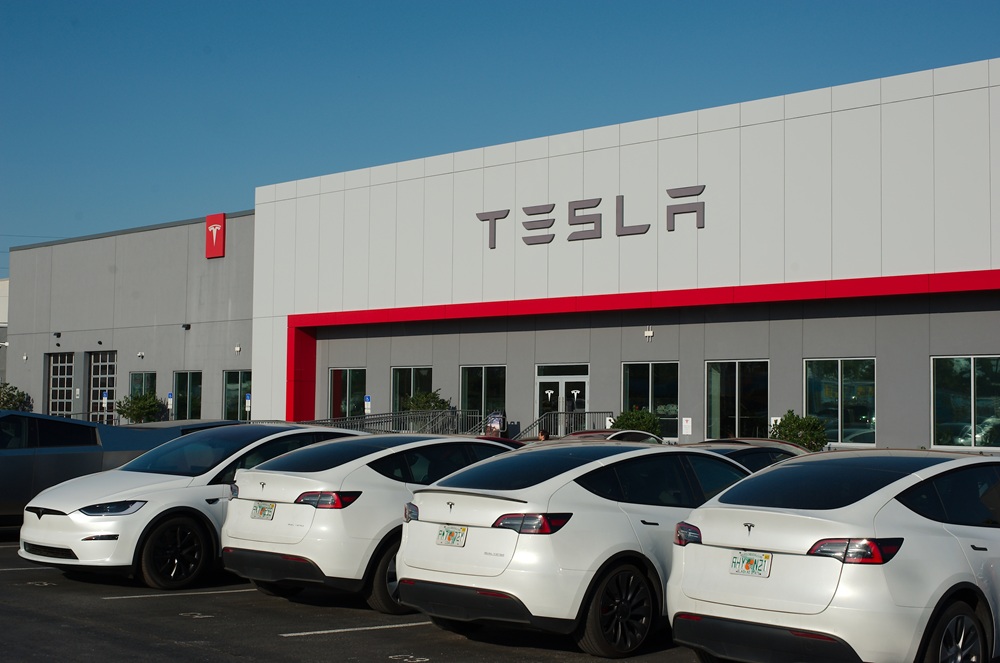
Tesla plans to begin selling its Cybercab autonomous vehicle to customers by the end of 2026, marking a potential shift from operating a company-controlled robotaxi service toward commercial sales of a purpose-built driverless vehicle. The announcement comes as the electric-vehicle maker seeks to expand beyond traditional car manufacturing into AI-driven transportation, while regulatory scrutiny and the challenges of scaling autonomous technology remain significant obstacles.
A Driverless Vehicle Designed Around a Different Business Model
Tesla’s Cybercab is a two-seat electric vehicle designed specifically for autonomous transportation. Unlike conventional cars, it has no steering wheel, pedals or mirrors, reflecting the company’s intention to build a vehicle that does not require a human driver. Tesla’s vice president of vehicle engineering, Lars Moravy, outlined the year-end sales target during the company’s third-quarter earnings call.
The design represents a strategic departure from Tesla’s existing passenger vehicles. Rather than relying solely on individual consumers purchasing cars for personal use, the company aims to make autonomous vehicles a central component of its Robotaxi network. If the model can be produced at scale and operated reliably, it could create opportunities for recurring transportation revenue and a broader role for Tesla’s software and AI capabilities.
Safety Rules Could Determine the Launch Timeline
The Cybercab’s unconventional design also presents a regulatory challenge. The US National Highway Traffic Safety Administration is investigating whether the vehicle complies with existing safety standards, many of which were developed around vehicles controlled by human drivers. The absence of traditional controls raises questions about how a fully autonomous vehicle can meet requirements designed for conventional cars.
Regulators have proposed changes intended to accommodate autonomous vehicles, but the approval process remains a key uncertainty. Tesla’s stated target is therefore not a guarantee that unrestricted commercial sales will begin on schedule. The company will need to navigate applicable safety requirements while demonstrating that the vehicle can operate reliably without a driver taking control.
Robotaxi Expansion Offers Growth Potential but Carries Execution Risks
Tesla has already begun offering limited paid Cybercab rides in Austin, Texas, and plans to expand the service to Dallas in November. These operations provide a pathway toward broader deployment, but expanding a service is different from selling vehicles to customers who may operate them commercially. Fleet management, insurance, maintenance, remote support and local operating permissions could all influence the economics of the business.
The company also faces the challenge of increasing production while maintaining quality and safety. A successful launch could strengthen Tesla’s position in autonomous mobility and diversify its revenue opportunities beyond vehicle sales. However, delays, regulatory restrictions or slower-than-expected adoption could postpone the financial benefits.
Investors will be watching for confirmation of the sales timeline, details on pricing and purchasing arrangements, production volumes and progress on regulatory approval. The Cybercab could become an important part of Tesla’s long-term AI and transportation strategy, but its commercial significance will depend on whether the company can turn its year-end target into a scalable, legally compliant and economically viable business.
Comparison, examination, and analysis between investment houses
Leave your details, and an expert from our team will get back to you as soon as possible
* This article, in whole or in part, does not contain any promise of investment returns, nor does it constitute professional advice to make investments in any particular field.
To read more about the full disclaimer, click here
- omer bar
- •
- 6 Min Read
- •
- ago 3 minutes
SKN | Meta faces an Australian class action alleging its social media platforms harm children, adding to legal and regulatory risks for the company.
Meta Platforms, the parent company of Facebook and Instagram, is facing a class action lawsuit in Australia over allegations that
- ago 3 minutes
- •
- 6 Min Read

Meta Platforms, the parent company of Facebook and Instagram, is facing a class action lawsuit in Australia over allegations that

- Ronny Mor
- •
- 7 Min Read
- •
- ago 5 hours
SKN | Europe’s Financial Regulators Question Google Over Cloud Outage That Disrupted Banks
European financial regulators are questioning Google following a cloud computing outage that left millions of bank customers unable to
- ago 5 hours
- •
- 7 Min Read
European financial regulators are questioning Google following a cloud computing outage that left millions of bank customers unable to

- Arik Arkadi Sluzki
- •
- 7 Min Read
- •
- ago 5 hours
SKN | BlackRock Expands AI ETF Lineup With New Robotics Fund
BlackRock is expanding its presence in the rapidly growing market for artificial intelligence-themed exchange-traded funds, launching a new robotics-focused
- ago 5 hours
- •
- 7 Min Read

BlackRock is expanding its presence in the rapidly growing market for artificial intelligence-themed exchange-traded funds, launching a new robotics-focused

- sagi habasov
- •
- 6 Min Read
- •
- ago 6 hours
SKN | Nasdaq Surges as SpaceX and Super Micro Revive Investor Confidence in AI Stocks
The Nasdaq led Wall Street sharply higher on Wednesday as stronger corporate results from SpaceX and Super Micro Computer
- ago 6 hours
- •
- 6 Min Read

The Nasdaq led Wall Street sharply higher on Wednesday as stronger corporate results from SpaceX and Super Micro Computer

