




- Lior mor
- •
- 5 Min Read
- •
- 3 minutes ago


Key Points
- Taiwan's stock market suffered an 18% decline in one week, marking its steepest weekly drop in 35 years, according to the supplied report.
- Regulators are introducing restrictions on short selling, including a requirement that short-sale prices meet a 150% margin requirement relative to the previous closing price.
- Taiwan's $15 billion stock stabilization fund is reportedly purchasing shares as authorities attempt to contain selling pressure and restore market stability.
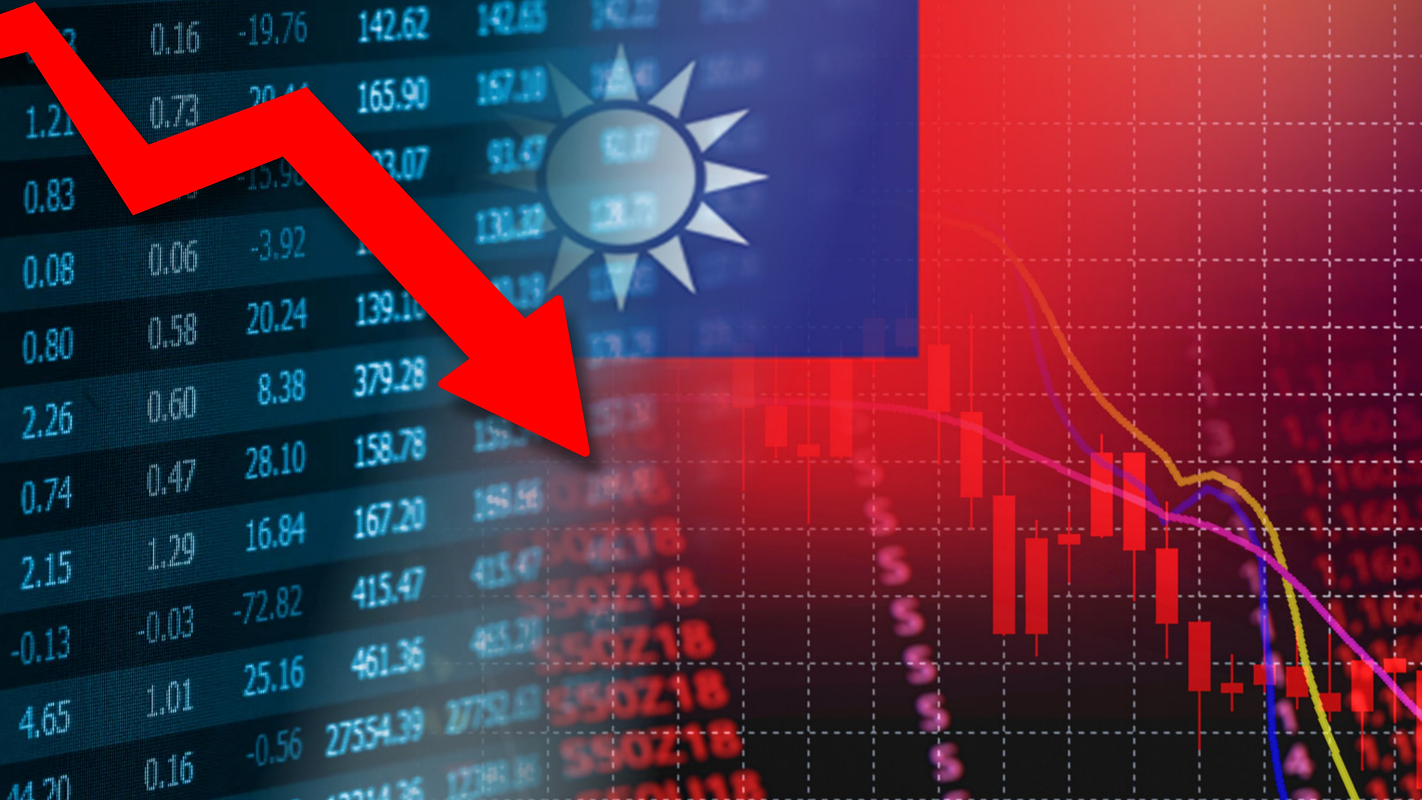
Taiwanese authorities are introducing emergency market measures following an exceptionally sharp sell-off that pushed the country’s stock market down approximately 18% in a single week, its steepest weekly decline in 35 years. The intervention reflects growing concerns over market stability as regulators seek to limit speculative pressure, strengthen trading safeguards and support investor confidence amid heightened volatility.
Short-Selling Restrictions Introduced Amid Market Turmoil
Effective Monday, regulators are expected to implement restrictions on short selling, including a requirement that short-sale prices comply with a margin threshold of 150% of the previous closing price, according to the supplied report. The measure is intended to constrain certain short-selling activities during a period of unusually intense market pressure.
Restrictions on short selling are among the regulatory tools authorities can deploy during periods of extreme volatility. However, while such measures may limit some speculative activity and potentially reduce immediate downward pressure, their effectiveness in stabilizing markets ultimately depends on broader investor sentiment, liquidity conditions and the underlying economic and financial environment.
$15 Billion Stabilization Fund Moves to Support Equities
Alongside the regulatory changes, Taiwan’s $15 billion stock stabilization fund has reportedly been purchasing shares to support the market. The intervention represents an additional effort to counter the recent sell-off and potentially help stabilize prices following the market’s substantial weekly decline.
Stabilization funds can provide additional liquidity and act as a counterweight to selling pressure during periods of disorderly trading. Nevertheless, their impact may depend on the scale of market selling, the duration of intervention and whether investors regain confidence in the broader market outlook.
Market Stability Versus Long-Term Investor Confidence
The combination of short-selling restrictions and government-backed market purchases underscores the urgency of the response to Taiwan’s recent equity-market turmoil. Such interventions may help temper volatility in the short term, but they do not necessarily address the underlying factors driving investors to reduce exposure to equities.
Market participants will likely monitor the effectiveness of the new restrictions, the activity of the stabilization fund and whether trading conditions begin to normalize following the intervention. The coming sessions will be particularly important in assessing whether the measures help restore confidence or whether additional volatility continues to pressure Taiwanese equities.
Comparison, examination, and analysis between investment houses
Leave your details, and an expert from our team will get back to you as soon as possible
* This article, in whole or in part, does not contain any promise of investment returns, nor does it constitute professional advice to make investments in any particular field.
To read more about the full disclaimer, click here
- Ronny Mor
- •
- 6 Min Read
- •
- ago 3 minutes
SKN | Semiconductor Stocks Lose Ground Relative to the S&P 500 as Sector Volatility Intensifies
Semiconductor stocks are experiencing a pronounced period of relative weakness against the broader U.S. equity market, with the Semiconductor
- ago 3 minutes
- •
- 6 Min Read

Semiconductor stocks are experiencing a pronounced period of relative weakness against the broader U.S. equity market, with the Semiconductor

- sagi habasov
- •
- 6 Min Read
- •
- ago 1 hour
SKN | U.S. Economic Surprise Index Surges to Its Highest Level Since 2023, Signaling Stronger Economic Momentum
Recent U.S. economic data has increasingly exceeded market expectations, pushing the Economic Surprise Index to approximately 71 points, its
- ago 1 hour
- •
- 6 Min Read

Recent U.S. economic data has increasingly exceeded market expectations, pushing the Economic Surprise Index to approximately 71 points, its

- Arik Arkadi Sluzki
- •
- 6 Min Read
- •
- ago 1 hour
SKN | The World’s 10 Largest Companies Lose Nearly $3 Trillion in Combined Market Value in One Week
The world's largest publicly traded companies have experienced a substantial decline in market value over the past week, with
- ago 1 hour
- •
- 6 Min Read
The world's largest publicly traded companies have experienced a substantial decline in market value over the past week, with

- orshu
- •
- 6 Min Read
- •
- ago 1 hour
SKN | SoftBank Explored a Potential $1 Trillion SK Hynix Deal Before Abandoning the Idea
SoftBank founder Masayoshi Son reportedly explored an extraordinary potential transaction involving South Korean semiconductor manufacturer SK Hynix, with the
- ago 1 hour
- •
- 6 Min Read

SoftBank founder Masayoshi Son reportedly explored an extraordinary potential transaction involving South Korean semiconductor manufacturer SK Hynix, with the
