




- orshu
- •
- 7 Min Read
- •
- 3 minutes ago


Key Points
- The TA-125 Index advanced 2.81%, or 104.58 points, to close at 3,823.63 on Friday, November 6, 2026, following a reported weekly decline of 2.86%.
- The benchmark traded between 3,721.54 and 3,833.25, after opening at 3,721.77, recovering from levels close to Thursday's 3,719.05 finish.
- Trading volume reached 64.97 million shares, below the reported three-month daily average of 75.42 million. The index remained within its 52-week range of 3,357.51–4,588.51, with a reported one-year gain of 12.81%.
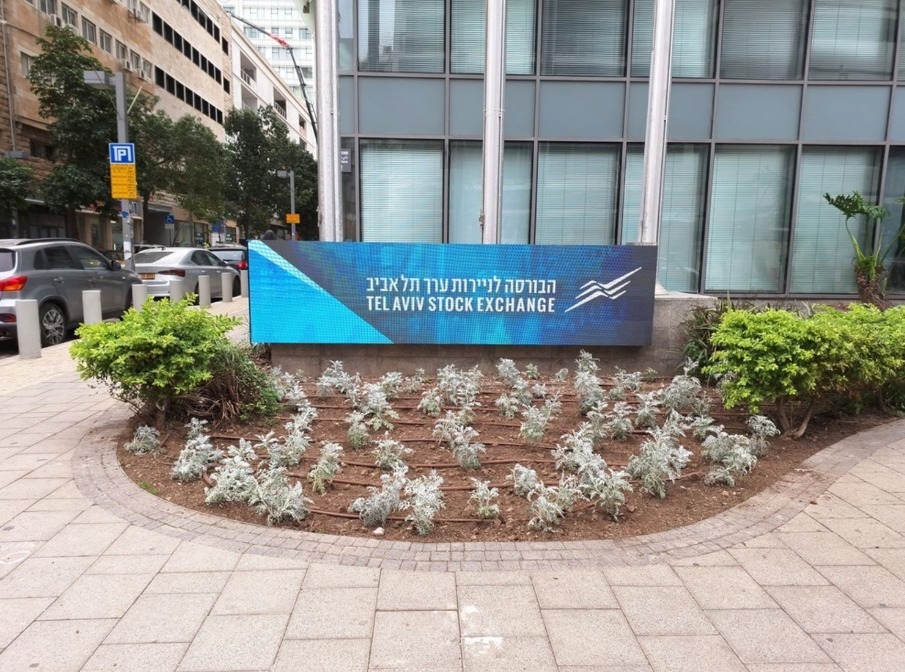
The TA-125 Index ended the trading week with a strong rebound, gaining 2.81%, or 104.58 points, to close at 3,823.63 on Friday. The advance helped reduce the benchmark’s reported five-session decline to 2.86%, following several sessions of selling pressure. Although the recovery restored the index above the 3,800 level, the weekly performance indicates that market sentiment remained under pressure despite Friday’s positive finish.
Intraday Recovery Lifts the Index Back Above 3,800
The benchmark opened at 3,721.77, close to its session low of 3,721.54, before advancing to an intraday high of 3,833.25. It subsequently eased slightly to finish at 3,823.63. The 104.58-point gain was measured against the previous close of 3,719.05, placing the index comfortably above the level recorded at the end of Thursday’s session.
Trading volume totaled 64,973,875 shares, compared with a reported three-month daily average of 75,421,901. Activity therefore remained below the stated benchmark average despite the substantial price advance. The index also remained within its reported 52-week range of 3,357.51 to 4,588.51, while retaining a 12.81% gain over the one-year period. These figures provide broader context for the recovery but do not, on their own, establish that the recent decline has ended.
Banking, Technology and the Broader Israeli Equity Market
The TA-125 tracks a broad group of companies listed on the Tel Aviv Stock Exchange, giving it exposure to major sectors of the Israeli economy, including financial services, technology, industry and energy. Movements in these sectors can influence the benchmark’s overall direction, while differences in individual company performance may produce uneven results beneath the headline index level.
The index also serves as an important reference for Israeli investment products and long-term savings portfolios, including pension funds, study funds and exchange-traded products. Its fluctuations can therefore affect the reported value of domestic equity exposure held by institutional and retail investors. However, the available index data do not establish which sectors or companies were primarily responsible for Friday’s rebound. Sector-level trading and company performance figures would be needed to substantiate claims of broad-based buying or particular industry leadership.
Interest Rates, the Shekel and Regional Risk Remain in Focus
Domestic monetary and fiscal developments remain important considerations for the Israeli equity market. Inflation trends, the Bank of Israel’s interest-rate decisions and government budget policy can influence financing costs, corporate earnings expectations and investor demand for local assets. Movements in the shekel, particularly against the U.S. dollar and euro, can also affect companies with significant import, export or foreign-currency exposure.
Regional security developments remain another potential source of market volatility. Changes in geopolitical risk perceptions can influence foreign investor participation, currency trading and valuations across multiple sectors. International equity-market performance and global interest-rate expectations may add further pressure or support, depending on broader financial conditions.
Friday’s advance brought the TA-125 back above 3,800, but the reported weekly decline shows that the recovery has not yet fully reversed the preceding weakness. Further progress will depend on whether buying interest persists, corporate earnings expectations remain supportive and domestic economic conditions provide a more stable backdrop. The 3,700 area may remain a market reference following the latest rebound, while a sustained move toward 4,000 would require continued upward momentum. Investors will also be monitoring inflation data, interest-rate expectations, currency movements and regional developments for signals about the next phase of trading.
Comparison, examination, and analysis between investment houses
Leave your details, and an expert from our team will get back to you as soon as possible
* This article, in whole or in part, does not contain any promise of investment returns, nor does it constitute professional advice to make investments in any particular field.
To read more about the full disclaimer, click here
- Ronny Mor
- •
- 6 Min Read
- •
- ago 30 minutes
SKN | WTI Crude Oil Futures Edge Up 0.34% to $90.83 After 12.76% Weekly Decline
WTI crude oil futures edged higher on Friday, settling at $90.83 per barrel after gaining 0.34%, or $0.31. The
- ago 30 minutes
- •
- 6 Min Read

WTI crude oil futures edged higher on Friday, settling at $90.83 per barrel after gaining 0.34%, or $0.31. The

- omer bar
- •
- 7 Min Read
- •
- ago 1 hour
SKN | Brent Crude Oil Futures Hold Near $98.32 After 16.42% Weekly Decline as Energy Markets Assess Supply and Demand Risks
Brent crude oil futures ended the November 6 session almost unchanged, gaining just 0.03% to settle at $98.32 per
- ago 1 hour
- •
- 7 Min Read

Brent crude oil futures ended the November 6 session almost unchanged, gaining just 0.03% to settle at $98.32 per

- Lior mor
- •
- 7 Min Read
- •
- ago 2 hours
SKN | Platinum January 2027 Futures Rise 0.95% to $1,536.90, Recovering After 5.46% Weekly Decline
Platinum futures recorded a modest recovery on November 6, with the January 2027 contract advancing 0.95% to settle at
- ago 2 hours
- •
- 7 Min Read

Platinum futures recorded a modest recovery on November 6, with the January 2027 contract advancing 0.95% to settle at

- Arik Arkadi Sluzki
- •
- 6 Min Read
- •
- ago 3 hours
SKN | COMEX Copper December 2026 Futures Fall 0.52% to $6.2375, Extending Weekly Loss to 3.42%
COMEX Copper December 2026 futures ended the November 6 session lower, declining 0.52% to settle at $6.2375 per pound.
- ago 3 hours
- •
- 6 Min Read

COMEX Copper December 2026 futures ended the November 6 session lower, declining 0.52% to settle at $6.2375 per pound.
