




- orshu
- •
- 7 Min Read
- •
- 1 hour ago


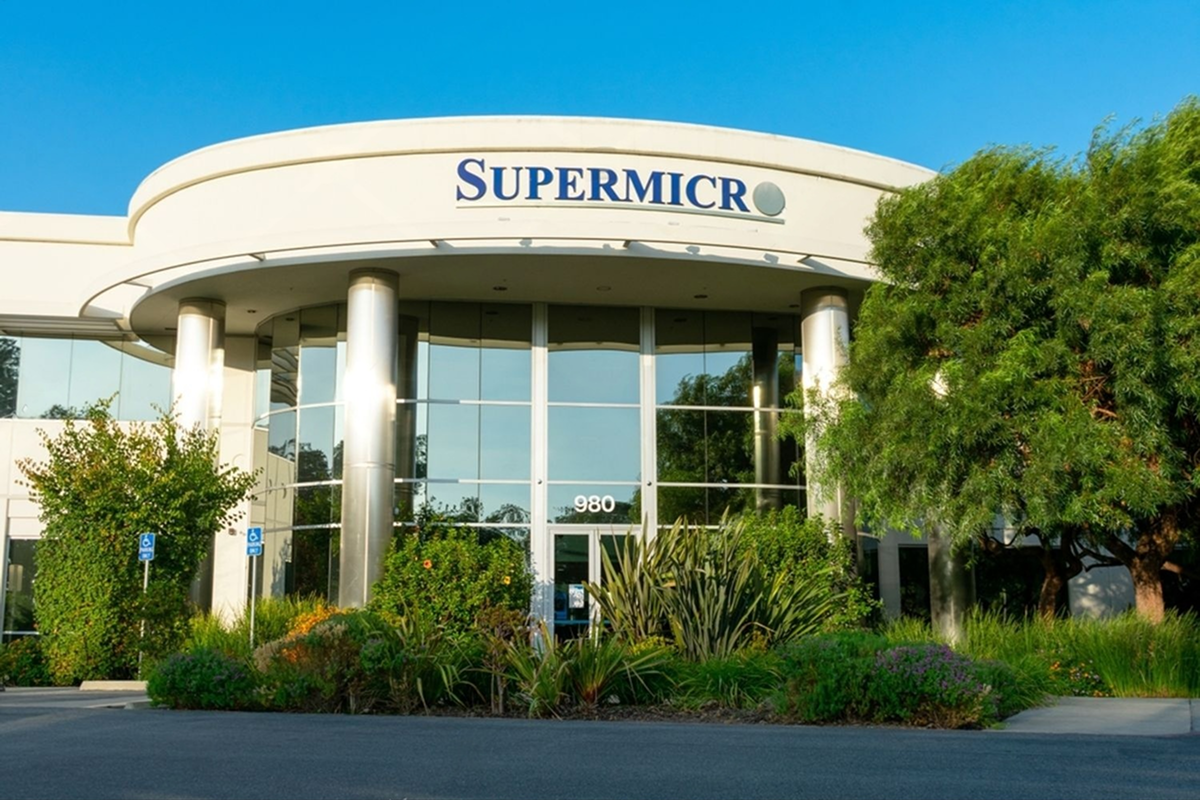
Supermicro’s latest quarterly results highlight the scale of demand for infrastructure supporting artificial intelligence and high-performance computing. The company reported a substantial increase in revenue and earnings, reflecting the expansion of its data center business as technology companies continue investing in computing capacity, networking equipment and advanced server systems. However, the results also raise questions about profitability, operating efficiency and the capital requirements associated with sustaining this growth.
Revenue Growth Reflects Expanding AI Infrastructure Demand
Supermicro reported first-quarter fiscal 2027 revenue of $19.9 billion, substantially exceeding the company’s previous-year level and representing a 298% year-over-year increase. Adjusted earnings per share reached $1.81, compared with the estimated $1.62, marking an increase of 417% from the corresponding period a year earlier.
The performance reflects the growing importance of specialized computing infrastructure in the global technology investment cycle. As businesses expand their AI capabilities, demand has increased for high-density servers, accelerated computing platforms and integrated data center solutions. Supermicro’s position in this market allows it to participate in a major infrastructure expansion, although the pace of demand does not automatically translate into proportionate improvements in profitability.
The company also reported adjusted EBITDA of $2.2 billion, indicating a significant increase in operating earnings. Nevertheless, the distinction between revenue expansion and sustainable cash generation remains central to assessing the quality of its growth.
Fiscal 2027 Outlook Signals Continued Expansion
Management projected full-year fiscal 2027 revenue of $72 billion to $82 billion, above the estimated $69.17 billion referenced in the earnings highlights. For the second quarter, Supermicro forecast revenue between $19.5 billion and $21.5 billion, alongside GAAP earnings per share of $1.59 to $1.83 and adjusted earnings per share of $1.66 to $1.90.
The guidance suggests that management expects demand for its data center solutions to remain strong. The company’s strategy increasingly extends beyond individual server products toward integrated AI and IT data center solutions, including its Data Center Building Block Solutions (DCBBS) offering. This approach could strengthen its role in larger infrastructure projects by combining hardware, software, networking and deployment capabilities.
However, the forecast also creates a demanding execution target. Maintaining revenue growth at this scale will depend on customer investment plans, production capacity, component availability and the company’s ability to deliver increasingly complex systems on schedule.
Profitability and Cash Flow Remain Key Considerations
Despite the strong earnings performance, Supermicro reported a 12.7% GAAP gross margin and a 12.8% non-GAAP gross margin. These figures indicate that revenue growth is occurring alongside relatively narrow margins, making cost management and operational efficiency particularly important.
The company also recorded $434 million in cash used in operating activities during the quarter, while cash and cash equivalents stood at $6.9 billion. The difference between reported earnings and operating cash flow deserves attention because it can reflect working-capital requirements, including inventory accumulation, customer receivables and supplier payment timing. The available earnings highlights do not provide enough detail to attribute the cash usage to any single factor.
For a company operating in a rapidly expanding hardware market, the ability to convert accounting earnings into operating cash is an important measure of financial resilience. Strong demand can support higher sales, but the associated inventory, manufacturing and delivery requirements may also increase financing needs.
Looking ahead, investors will be monitoring whether Supermicro can deliver on its full-year revenue guidance while improving margins and strengthening cash conversion. Its exposure to AI infrastructure offers considerable growth potential, but competition, component costs, customer concentration and execution risks could influence future results. The next reporting periods will help determine whether the company’s exceptional revenue expansion can develop into consistently stronger profitability and sustainable free cash flow.
Comparison, examination, and analysis between investment houses
Leave your details, and an expert from our team will get back to you as soon as possible
* This article, in whole or in part, does not contain any promise of investment returns, nor does it constitute professional advice to make investments in any particular field.
To read more about the full disclaimer, click here
- sagi habasov
- •
- 6 Min Read
- •
- ago 27 minutes
SKN | Block Raises 2026 Profit Outlook as Cash App Growth Drives Strong Third-Quarter Results
Cash App and Square Support Quarterly Growth Block, the fintech company led by Jack Dorsey, raised its full-year gross profit
- ago 27 minutes
- •
- 6 Min Read

Cash App and Square Support Quarterly Growth Block, the fintech company led by Jack Dorsey, raised its full-year gross profit

- Lior mor
- •
- 8 Min Read
- •
- ago 1 hour
SKN | AMD Forecasts 2027 Revenue Growth Above Estimates as AI Data Center Demand Accelerates
AMD Raises Growth Expectations as AI Demand Accelerates Advanced Micro Devices (AMD) forecast 2027 revenue growth above Wall Street expectations
- ago 1 hour
- •
- 8 Min Read

AMD Raises Growth Expectations as AI Demand Accelerates Advanced Micro Devices (AMD) forecast 2027 revenue growth above Wall Street expectations
- sagi habasov
- •
- 7 Min Read
- •
- ago 1 hour
SKN | Arista Networks Delivers 58.5% Revenue Growth as AI Infrastructure Demand Drives Strong Earnings
Arista Networks delivered a strong third-quarter 2026 performance, supported by expanding demand for networking infrastructure used in cloud computing
- ago 1 hour
- •
- 7 Min Read

Arista Networks delivered a strong third-quarter 2026 performance, supported by expanding demand for networking infrastructure used in cloud computing

- Ronny Mor
- •
- 6 Min Read
- •
- ago 1 hour
SKN | Meta Raises $15 Billion in Bond Offering as 30-Year Debt Yield Reaches 7.5%
Meta has entered the bond market with a $15 billion debt offering, securing financing across maturities extending from five
- ago 1 hour
- •
- 6 Min Read
Meta has entered the bond market with a $15 billion debt offering, securing financing across maturities extending from five
