





- omer bar
- •
- 6 Min Read
- •
- 7 minutes ago


Key Points
- Middle East crude exports have rebounded toward and, on some days, above pre-war levels, easing immediate supply concerns.
- Iranian attacks on commercial vessels are increasing, leaving the Strait of Hormuz exposed to renewed disruptions despite stronger oil flows.
- Higher shipping, insurance and security costs continue to support a geopolitical risk premium in energy markets and could keep oil prices elevated.
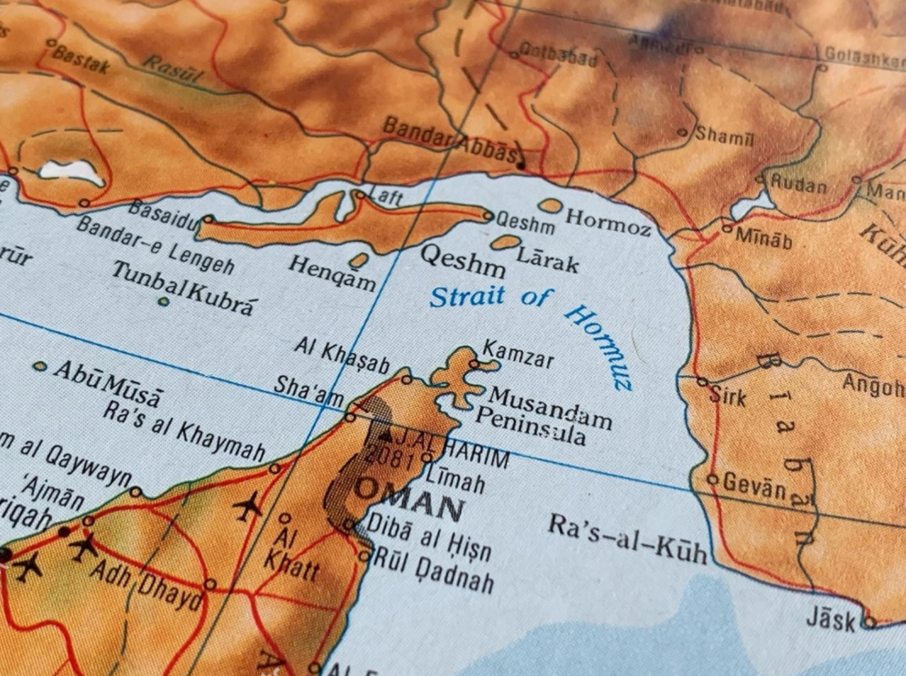
The recovery in Middle East oil exports is providing some relief to global energy markets, but the improvement remains highly vulnerable to renewed disruption around the Strait of Hormuz. Crude flows have strengthened significantly in recent weeks, yet the rise in tanker attacks is highlighting the gap between higher export volumes and genuinely secure energy transportation.
Oil Exports Are Recovering, but the Route Remains Fragile
Regional crude exports exceeded pre-war levels on several days toward the end of September, with flows reaching as high as roughly 19.5 million to 22.5 million barrels per day on individual days. The seven-day average reached about 18.5 million barrels per day in early October, indicating that producers and shipping operators have adapted to an unusually difficult operating environment.
However, the recovery does not mean that normal conditions have returned. A growing share of crude is being redirected through alternative infrastructure, while ship-to-ship transfers and more complicated tanker movements are being used to reduce exposure to the most vulnerable sections of the waterway. This has allowed physical supply to recover without eliminating the underlying security risk.
Iranian Attacks Add a New Layer of Supply Risk
The key concern for energy markets is the increasing frequency of attacks on commercial vessels. Nearly 20 commercial ships, mostly tankers, have reportedly come under attack during the past month around the Strait of Hormuz, the Persian Gulf and waters near Oman.
For oil markets, the significance extends beyond the direct loss of individual cargoes. Even limited attacks can raise insurance premiums, increase tanker costs and encourage shipping companies to delay or reroute voyages. That creates a form of supply disruption through higher transportation costs and reduced logistical capacity, even when headline crude production remains relatively strong.
Why Oil Prices Can Stay Elevated Despite Higher Flows
The unusual market dynamic is that stronger exports have not fully eliminated the risk premium embedded in crude prices. Brent crude remains close to the $100-per-barrel level, reflecting concerns over the reliability and cost of delivering Middle Eastern supplies to global consumers.
For European and Asian refiners, the implications are particularly important. Higher freight and insurance expenses can offset some of the benefit from increased crude availability, while disruptions to refined-product flows may remain more consequential than headline crude volumes. For Israeli investors, developments in the Gulf also matter through their potential effects on global inflation, transportation costs, currency volatility and expectations for interest rates.
Looking ahead, the sustainability of the oil-export recovery will depend less on whether tankers can move through Hormuz on individual days and more on whether the security environment becomes sufficiently stable to support consistent commercial traffic. Further tanker attacks, damage to alternative export infrastructure or a broader regional escalation could quickly rebuild the oil risk premium. Conversely, sustained shipping security and continued use of alternative routes could gradually reduce logistical pressure. Investors will therefore be watching crude-flow data, tanker activity, freight costs and diplomatic developments closely as indicators of whether the current rebound represents a durable normalization or only a temporary improvement under exceptionally high risk.
Comparison, examination, and analysis between investment houses
Leave your details, and an expert from our team will get back to you as soon as possible
* This article, in whole or in part, does not contain any promise of investment returns, nor does it constitute professional advice to make investments in any particular field.
To read more about the full disclaimer, click here
- orshu
- •
- 6 Min Read
- •
- ago 3 hours
SKN | Diesel Prices Could Stay Elevated Through 2027 as Refining Capacity Becomes the New Energy Constraint
The global energy market entered the week with a sharp distinction between recovering crude flows and increasingly constrained refined-product
- ago 3 hours
- •
- 6 Min Read

The global energy market entered the week with a sharp distinction between recovering crude flows and increasingly constrained refined-product

- Ronny Mor
- •
- 6 Min Read
- •
- ago 14 hours
SKN | Oil Prices Hold Near $100 as Middle East Exports Offset Gulf Supply Risks
Oil prices edged lower on Tuesday as traders balanced stronger Middle East crude exports and additional emergency supplies against renewed
- ago 14 hours
- •
- 6 Min Read

Oil prices edged lower on Tuesday as traders balanced stronger Middle East crude exports and additional emergency supplies against renewed

- sagi habasov
- •
- 7 Min Read
- •
- ago 19 hours
SKN | Oil Market Turmoil Could Persist for Years as Supply Rebuilding Takes Time
Global oil-market disruptions could persist well beyond 2026 as shipping bottlenecks, reduced refinery output and depleted inventories create a
- ago 19 hours
- •
- 7 Min Read

Global oil-market disruptions could persist well beyond 2026 as shipping bottlenecks, reduced refinery output and depleted inventories create a

- Lior mor
- •
- 6 Min Read
- •
- ago 20 hours
SKN | Oil Prices Slip as Middle East Exports Rise and G7 Moves to Boost Supply
Oil prices fell by roughly $2 a barrel on Monday as rising Middle Eastern crude exports and a pledge
- ago 20 hours
- •
- 6 Min Read
Oil prices fell by roughly $2 a barrel on Monday as rising Middle Eastern crude exports and a pledge

