




- Ronny Mor
- •
- 7 Min Read
- •
- 44 seconds ago


Key Points
- Saudi Arabia could lose access to around 4 million barrels per day of export capacity if its East-West pipeline remains offline, equivalent to roughly 4% of global oil supply.
- Yanbu holds only five to seven days of export stocks, increasing pressure on Riyadh to restore pipeline operations or risk a sharper decline in global supply.
- Higher energy prices are intensifying inflation and bond-market pressure, adding another complication for central banks already facing elevated yields.

Saudi Arabia’s pipeline outage is emerging as a significant new threat to an already constrained global oil market, with the potential loss of up to 4% of global supply if the disruption persists. The development comes as Middle East oil flows remain severely impaired, increasing the risk that a temporary infrastructure outage could develop into a broader energy and inflation shock.
Saudi Export Infrastructure Faces a Critical Timeline
Drone attacks forced Saudi Arabia to shut its major East-West oil pipeline on Friday, disrupting a key alternative route for moving crude from the kingdom’s eastern production areas to the Red Sea. The pipeline has allowed Saudi Arabia to bypass the Strait of Hormuz, where wartime disruptions have sharply reduced regional oil flows.
Saudi Arabia has been rerouting approximately 4 million barrels per day through the pipeline to the port of Yanbu. Reuters reported that Yanbu currently has enough stocks to maintain exports for only five to seven days, according to industry sources familiar with Saudi shipments. Additional stocks are available through Egypt’s Ain Sukhna and Sidi Kerir ports, but those inventories are also limited and are not sufficient to replace the pipeline indefinitely.
Supply Loss Could Deepen an Already Severe Oil Shortage
The timing is particularly significant because Saudi oil production has already fallen substantially. Riyadh told OPEC that production declined to 6.2 million barrels per day in August, compared with 10.9 million barrels per day in February before the war. The International Energy Agency has also reported that Saudi oil supply reached a more than three-decade low as flows through the Hormuz and Red Sea corridors deteriorated.
Reuters reported that estimates for repairing the pipeline vary considerably. One industry source said the damage could require five to six weeks to repair, while another indicated that pumping could resume sooner, potentially on a partial basis while repairs continue. Saudi authorities have not publicly provided a detailed timetable, leaving markets to price a wide range of potential supply outcomes.
Energy Inflation Adds Pressure to Global Markets
The broader macroeconomic implications extend beyond crude prices. The Middle East supplied approximately 22 million barrels per day before the war, while flows through the Strait of Hormuz have fallen to an estimated 6 million to 9 million barrels per day. The IEA expects global oil supply to decline by 5.7 million barrels per day, or about 6%, this year, underscoring how limited additional disruptions could have an outsized impact on prices and physical availability.
Higher energy costs can feed directly into transportation, industrial production and consumer prices, complicating monetary policy decisions. At the same time, rising inflation expectations can place upward pressure on government bond yields, increasing financing costs for companies and governments. The combination of tighter physical energy supply and higher borrowing costs therefore creates a broader macroeconomic risk than an oil-price shock alone.
What Markets Will Watch Next
The immediate focus will be the speed at which Saudi Arabia can restore the East-West pipeline and whether partial pumping can begin before export inventories are depleted. Market participants will also monitor Saudi stock levels, developments around the Strait of Hormuz and Red Sea shipping routes, and any coordinated response from OPEC and major consuming nations. If the outage is resolved quickly, the disruption could remain manageable; if repairs extend into several weeks, the loss of Saudi export capacity could amplify energy inflation and reinforce pressure across global commodities, currencies and bond markets.
Comparison, examination, and analysis between investment houses
Leave your details, and an expert from our team will get back to you as soon as possible
* This article, in whole or in part, does not contain any promise of investment returns, nor does it constitute professional advice to make investments in any particular field.
To read more about the full disclaimer, click here
- Lior mor
- •
- 7 Min Read
- •
- ago 24 hours
SKN | Canadian Boycott of U.S. Products Forces Grocers to Diversify Supply Chains
A growing Canadian consumer boycott of U.S. products is beginning to reshape supermarket supply chains, adding a new commercial
- ago 24 hours
- •
- 7 Min Read

A growing Canadian consumer boycott of U.S. products is beginning to reshape supermarket supply chains, adding a new commercial

- omer bar
- •
- 7 Min Read
- •
- ago 24 hours
SKN | U.S. Inflation Accelerates as August Consumer Prices Strengthen the Case for a Federal Reserve Rate Hike
U.S. consumer inflation accelerated in August, reinforcing expectations that the Federal Reserve will raise interest rates at its September policy
- ago 24 hours
- •
- 7 Min Read
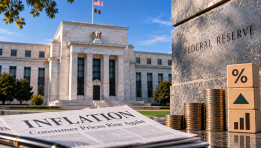
U.S. consumer inflation accelerated in August, reinforcing expectations that the Federal Reserve will raise interest rates at its September policy

- sagi habasov
- •
- 7 Min Read
- •
- ago 2 days
SKN | U.S. 10-Year Treasury Yield Pulls Back From 5% as Inflation Data Eases Bond Market Pressure
The global bond selloff eased on September 11 after the latest U.S. inflation report broadly matched economist expectations, giving
- ago 2 days
- •
- 7 Min Read

The global bond selloff eased on September 11 after the latest U.S. inflation report broadly matched economist expectations, giving
- omer bar
- •
- 7 Min Read
- •
- ago 2 days
SKN | Oil Prices Stay Above $100 as Supply Disruptions Drive 8% Weekly Gain and U.S. Diesel Hits Record
Oil prices declined on Friday but remained on course for their strongest weekly advance in months as escalating disruptions
- ago 2 days
- •
- 7 Min Read

Oil prices declined on Friday but remained on course for their strongest weekly advance in months as escalating disruptions
