


- Ronny Mor
- •
- 7 Min Read
- •
- 48 seconds ago
Key Points
- Former US President Donald Trump’s positioning on Iran’s potential actions in the Strait of Hormuz raises geopolitical tensions ahead of a planned meeting with Xi Jinping.
- Energy markets remain sensitive to any developments affecting the Hormuz corridor, a critical artery for global oil flows.
- Investors are reassessing risk premiums across commodities, shipping, and equities tied to Middle East supply routes.
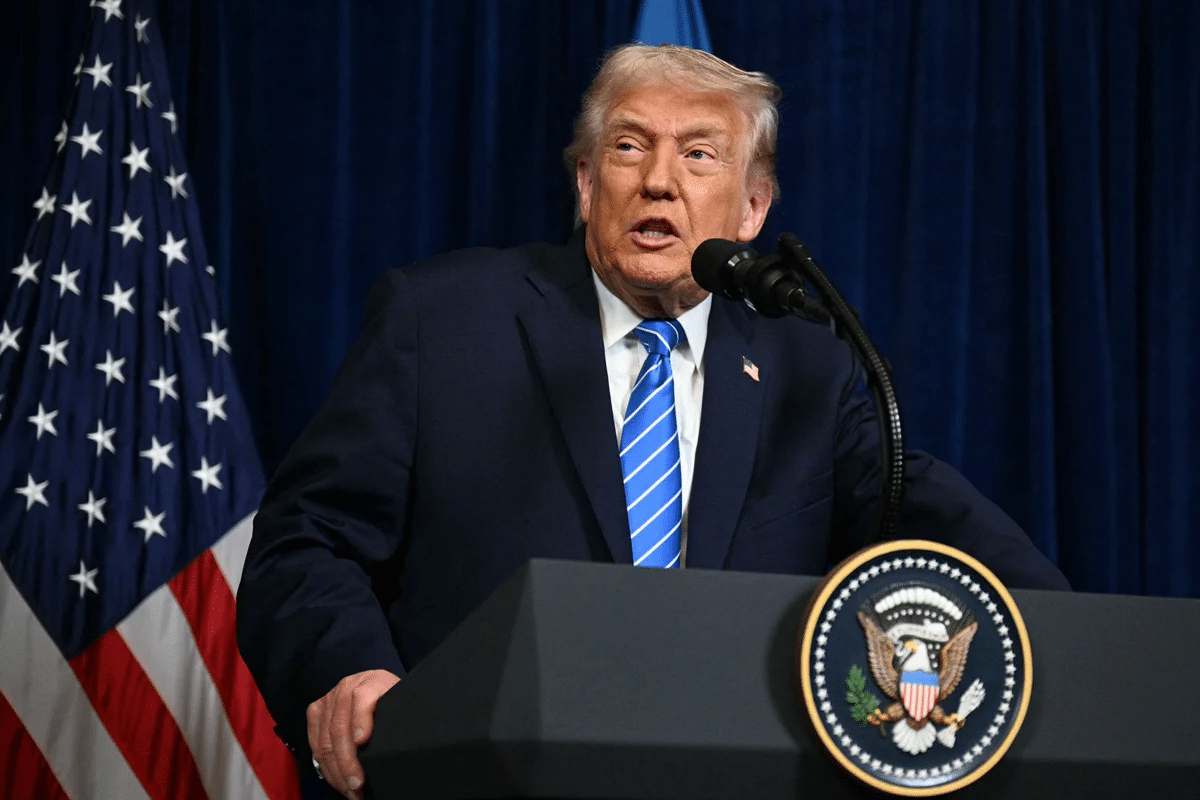
Global markets are closely monitoring rising geopolitical friction after signals that Donald Trump’s stance on Iran-related developments in the Strait of Hormuz could heighten tensions with China ahead of a potential summit with President Xi Jinping. The Strait of Hormuz remains one of the world’s most strategically sensitive energy chokepoints, handling a significant share of global crude oil and liquefied natural gas shipments. Any perceived escalation in the region tends to immediately ripple through oil prices, shipping costs, and broader risk sentiment.
Hormuz Corridor Returns to the Center of Energy Risk Pricing
The Strait of Hormuz has long been a focal point for global energy security due to its role in facilitating a large portion of seaborne oil exports from the Gulf region. Even limited disruptions or threats to shipping lanes can trigger rapid repricing in crude oil benchmarks such as Brent and West Texas Intermediate, as traders factor in potential supply interruptions.
Recent geopolitical signals tied to Iran’s regional positioning have revived concerns that the corridor could once again become a flashpoint. For markets, the key issue is not only physical disruption but also the risk premium embedded in energy contracts. Historically, periods of heightened tension in the region have led to sharp but often temporary spikes in oil volatility, particularly when diplomatic clarity is lacking.
US–China Diplomatic Layer Adds Complexity to Market Sentiment
The timing of these developments is particularly sensitive as Washington and Beijing navigate broader strategic competition across trade, technology, and energy security. Any escalation linked to Middle East shipping routes introduces an additional layer of complexity into already delicate bilateral relations.
China, as one of the largest importers of crude oil transported through Hormuz, maintains a direct economic interest in ensuring uninterrupted flow through the channel. As a result, any perceived risk to shipping security can influence Beijing’s diplomatic positioning and energy strategy. For the United States, maintaining stability in global energy routes remains a core strategic objective, particularly in coordination with allies in the Gulf region.
Market participants are closely watching whether heightened rhetoric translates into policy shifts, naval activity adjustments, or diplomatic signaling that could influence risk sentiment across energy-linked assets.
Energy Markets and Broader Risk Asset Sensitivity
Oil markets have become increasingly reactive to geopolitical developments, with traders pricing in both immediate supply risks and longer-term scenario-based disruptions. Even without actual supply losses, volatility tends to rise when the Strait of Hormuz enters the geopolitical spotlight.
Beyond crude oil, related sectors such as shipping, insurance, and energy equities often experience secondary effects. Higher freight rates and war-risk insurance premiums can feed into global logistics costs, while energy producers may see short-term valuation shifts based on perceived pricing strength.
For broader financial markets, the key transmission channel is risk sentiment. Elevated geopolitical tension typically supports safe-haven flows into assets such as the US dollar and gold, while pressuring higher-beta equities and emerging market exposure.
Outlook: Diplomatic Signals and Energy Volatility in Focus
Looking ahead, market direction will depend on whether diplomatic engagement between the United States and China can offset rising geopolitical uncertainty linked to the Strait of Hormuz. Any clarification around military posture, shipping security assurances, or diplomatic coordination could stabilize risk premiums in energy markets.
However, risks remain elevated as long as the region is framed within broader geopolitical competition narratives. Unexpected escalations, policy miscommunication, or disruptions in maritime activity could rapidly intensify volatility across oil and related asset classes.
Investors will likely continue to monitor energy price movements, official diplomatic statements, and shipping data for early signals of either de-escalation or renewed tension in one of the world’s most critical energy transit corridors.
Comparison, examination, and analysis between investment houses
Leave your details, and an expert from our team will get back to you as soon as possible
* This article, in whole or in part, does not contain any promise of investment returns, nor does it constitute professional advice to make investments in any particular field.
To read more about the full disclaimer, click here
- Lior mor
- •
- 7 Min Read
- •
- ago 2 days
SKN | Will Oil Prices Stabilize as US–Iran Talks Offset Strait of Hormuz Blockade Risks?
Global oil markets moved lower as traders reacted to a shifting geopolitical backdrop in which the United States and Iran
- ago 2 days
- •
- 7 Min Read
Global oil markets moved lower as traders reacted to a shifting geopolitical backdrop in which the United States and Iran

- orshu
- •
- 7 Min Read
- •
- ago 2 days
SKN | Southern Copper Leadership Transition—What Oscar Gonzalez Rocha’s Passing Means for Strategy and Markets?
Southern Copper Corporation faces a critical leadership transition following the passing of its long-serving CEO, Oscar Gonzalez Rocha. The
- ago 2 days
- •
- 7 Min Read

Southern Copper Corporation faces a critical leadership transition following the passing of its long-serving CEO, Oscar Gonzalez Rocha. The

- omer bar
- •
- 7 Min Read
- •
- ago 3 days
SKN | Will US Naval Blockade of Iranian Ports Trigger a New Energy Shock?
The United States’ reported decision to block ships entering and leaving Iranian ports beginning Monday marks a significant escalation in
- ago 3 days
- •
- 7 Min Read

The United States’ reported decision to block ships entering and leaving Iranian ports beginning Monday marks a significant escalation in

- sagi habasov
- •
- 7 Min Read
- •
- ago 3 days
SKN | Oil Prices Jump as Geopolitical Tensions Flare After Trump Threatens Strait of Hormuz Disruption
Oil prices moved higher in global trading after heightened geopolitical tensions escalated following remarks attributed to former US President Donald
- ago 3 days
- •
- 7 Min Read
Oil prices moved higher in global trading after heightened geopolitical tensions escalated following remarks attributed to former US President Donald


