


- Lior mor
- •
- 7 Min Read
- •
- 25 seconds ago
Key Points
- Oil prices declined as markets weighed renewed diplomatic discussions between the United States and Iran despite ongoing maritime restrictions in the Strait of Hormuz.
- The continued blockade-related measures have kept geopolitical risk elevated, but reduced escalation fears have eased immediate risk premiums in crude markets.
- Investors remain focused on whether negotiations can de-escalate tensions or whether supply-route constraints will reintroduce volatility across energy markets.
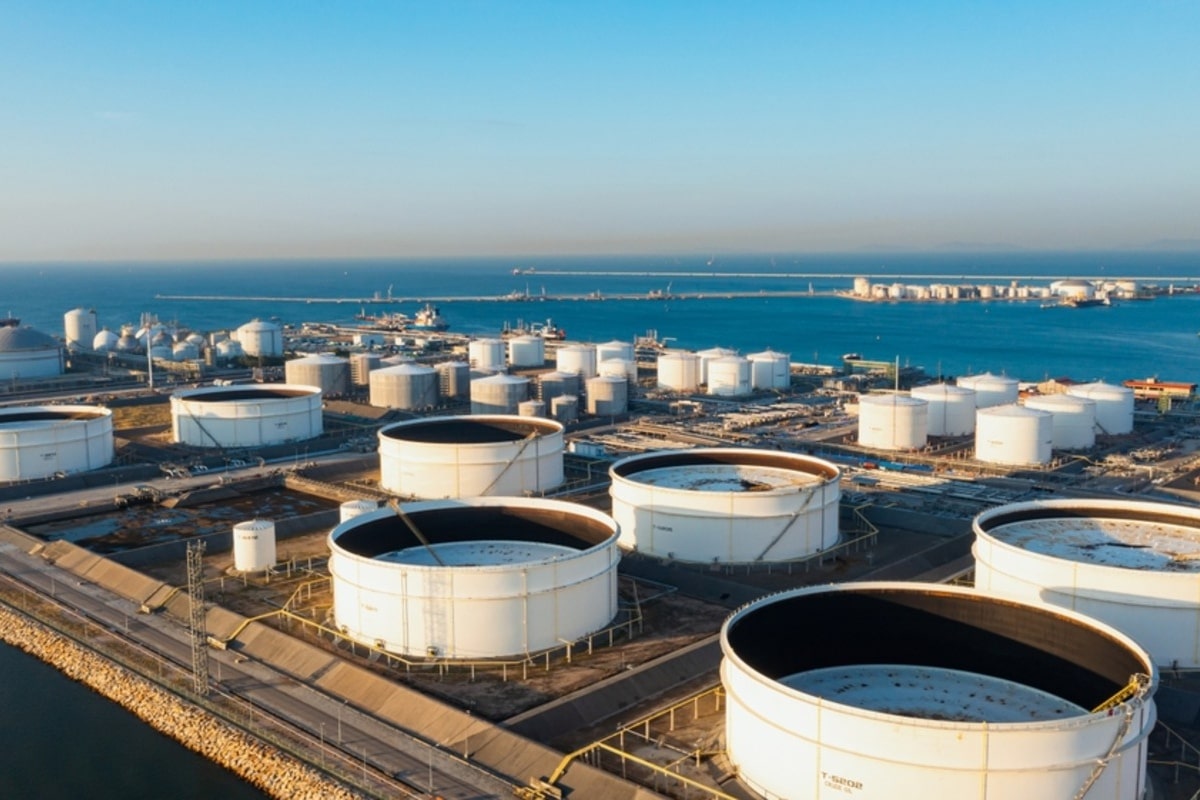
Global oil markets moved lower as traders reacted to a shifting geopolitical backdrop in which the United States and Iran are reportedly exploring renewed diplomatic engagement even as maritime restrictions linked to the Strait of Hormuz remain in place. The combination of partial escalation and tentative negotiations has created an uneven risk environment, prompting investors to reassess the short-term trajectory of crude prices within a highly sensitive supply corridor.
Geopolitical Risk Premium Eases Despite Ongoing Maritime Constraints
Oil benchmarks initially held elevated levels following reports of tighter enforcement actions in the Strait of Hormuz, a key passageway for global crude and liquefied natural gas flows. However, prices subsequently retreated as market participants focused on signals that diplomatic channels between Washington and Tehran remain active.
The easing of immediate escalation fears has reduced part of the geopolitical risk premium embedded in crude pricing. Brent and West Texas Intermediate futures reflected this adjustment, with traders scaling back aggressive positioning that had previously anticipated potential supply disruptions. While the maritime restrictions have not been fully lifted, the absence of confirmed large-scale flow interruptions has limited further upside pressure on prices.
Strait of Hormuz Dynamics Continue to Anchor Market Sensitivity
Despite the pullback in prices, the Strait of Hormuz remains a central variable in global energy market stability. Any restriction or perceived constraint in this corridor has a disproportionate impact on pricing due to the volume of global oil and LNG shipments passing through the region.
Shipping insurers and freight operators continue to price in elevated operational risk, even in the absence of direct supply disruptions. This has resulted in persistent but contained volatility across energy-linked derivatives. Market participants are closely monitoring vessel traffic patterns and insurance cost adjustments as indicators of whether risk conditions are improving or deteriorating.
Oil Markets Balance Diplomacy Against Supply Uncertainty
The current pricing environment reflects a tension between geopolitical de-escalation signals and unresolved structural risks. On one hand, renewed US–Iran dialogue has tempered expectations of immediate conflict escalation. On the other, ongoing maritime constraints prevent a full normalization of risk sentiment in energy markets.
Institutional investors are increasingly adopting scenario-based strategies, weighing both a negotiated de-escalation path and a potential re-escalation scenario that could rapidly tighten global supply conditions. This dual outlook has contributed to shorter investment horizons and increased sensitivity to political developments.
For Israeli and global investors, the situation remains particularly relevant given the region’s exposure to energy price fluctuations and their secondary effects on inflation expectations, shipping costs, and broader risk sentiment across emerging markets.
Outlook: What Markets Will Watch Next
Looking ahead, oil price direction will depend heavily on whether diplomatic discussions between the United States and Iran translate into measurable de-escalation in maritime restrictions. Any reduction in tensions around the Strait of Hormuz could further compress risk premiums, while renewed escalation would likely reverse recent price declines.
Traders will also monitor shipping activity, insurance pricing, and official policy statements for confirmation of either stabilization or further tightening. In the near term, volatility is expected to remain elevated as energy markets continue to balance geopolitical uncertainty with evolving diplomatic signals.
Comparison, examination, and analysis between investment houses
Leave your details, and an expert from our team will get back to you as soon as possible
* This article, in whole or in part, does not contain any promise of investment returns, nor does it constitute professional advice to make investments in any particular field.
To read more about the full disclaimer, click here
- orshu
- •
- 7 Min Read
- •
- ago 4 hours
SKN | Southern Copper Leadership Transition—What Oscar Gonzalez Rocha’s Passing Means for Strategy and Markets?
Southern Copper Corporation faces a critical leadership transition following the passing of its long-serving CEO, Oscar Gonzalez Rocha. The
- ago 4 hours
- •
- 7 Min Read

Southern Copper Corporation faces a critical leadership transition following the passing of its long-serving CEO, Oscar Gonzalez Rocha. The

- omer bar
- •
- 7 Min Read
- •
- ago 23 hours
SKN | Will US Naval Blockade of Iranian Ports Trigger a New Energy Shock?
The United States’ reported decision to block ships entering and leaving Iranian ports beginning Monday marks a significant escalation in
- ago 23 hours
- •
- 7 Min Read

The United States’ reported decision to block ships entering and leaving Iranian ports beginning Monday marks a significant escalation in

- sagi habasov
- •
- 7 Min Read
- •
- ago 23 hours
SKN | Oil Prices Jump as Geopolitical Tensions Flare After Trump Threatens Strait of Hormuz Disruption
Oil prices moved higher in global trading after heightened geopolitical tensions escalated following remarks attributed to former US President Donald
- ago 23 hours
- •
- 7 Min Read
Oil prices moved higher in global trading after heightened geopolitical tensions escalated following remarks attributed to former US President Donald
- omer bar
- •
- 7 Min Read
- •
- ago 1 day
SKN | Can Oil and Gas Markets Sustain the Surge as Hormuz Tensions Escalate Global Energy Risk?
Oil and natural gas prices climbed sharply as geopolitical tensions surrounding the Strait of Hormuz intensified, raising fears of potential
- ago 1 day
- •
- 7 Min Read

Oil and natural gas prices climbed sharply as geopolitical tensions surrounding the Strait of Hormuz intensified, raising fears of potential


