


- sagi habasov
- •
- 6 Min Read
- •
- 3 months ago
Key Points
- A possible rollback of steel and aluminum tariffs would mark another reversal in U.S. trade policy direction.
- Lower input costs could ease inflationary pressure across manufacturing, construction, and automotive sectors.
- Markets are weighing political strategy against industrial impact, with metals producers and downstream firms likely to diverge.
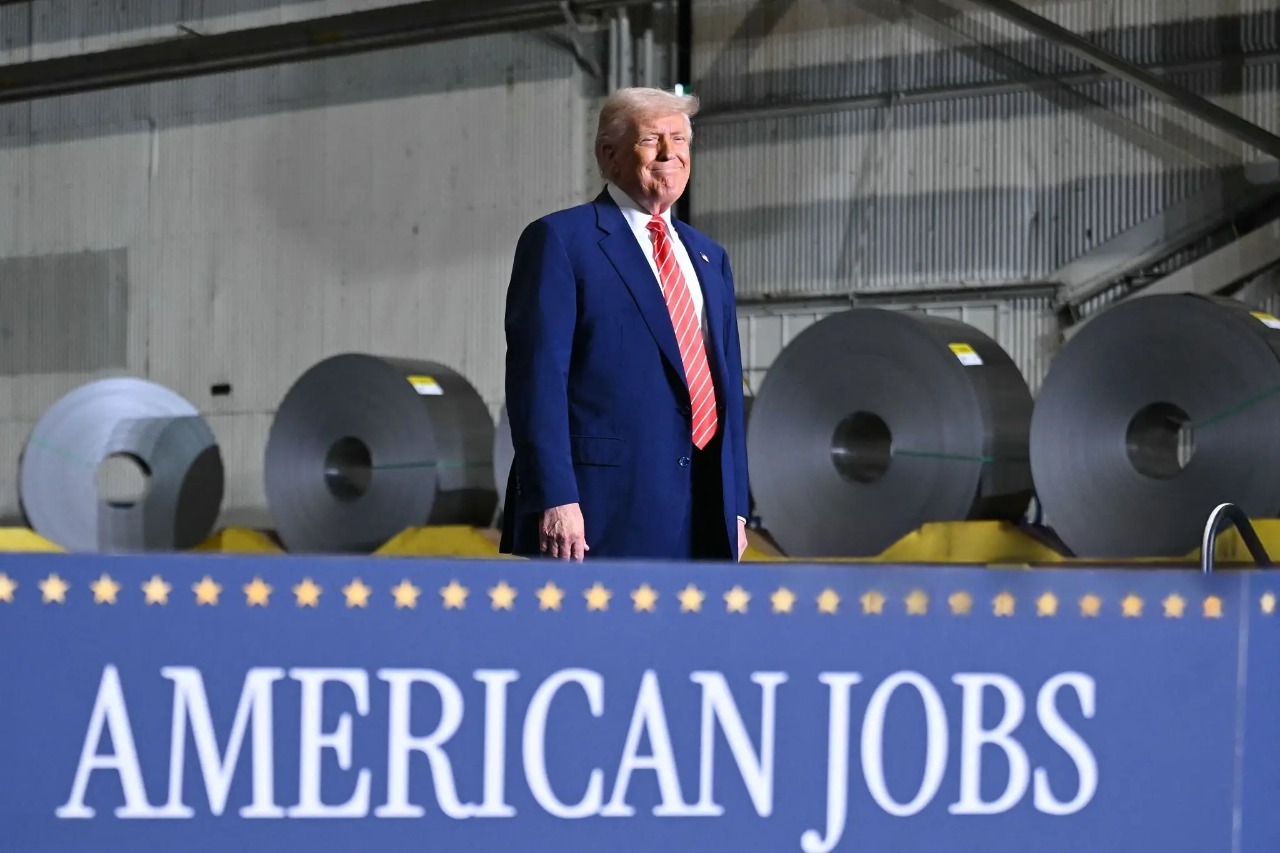
Markets are assessing reports that former President Donald Trump may consider rolling back steel and aluminum tariffs if re-elected, a move that would represent the latest shift in U.S. trade positioning. The potential adjustment aligns with a broader affordability narrative as policymakers grapple with inflation fatigue among consumers and businesses.
Tariff Policy Reversal and Inflation Implications
The original Section 232 tariffs on imported steel and aluminum, introduced in 2018, were designed to protect domestic producers by imposing duties of 25% on steel and 10% on aluminum. While supportive of U.S. metal manufacturers, the tariffs also raised costs for downstream industries such as construction, automotive manufacturing, and machinery production.
A rollback could reduce input expenses across these sectors, potentially translating into lower production costs and improved margin flexibility. From a macro perspective, easing tariff burdens may modestly relieve inflationary pressure, particularly in capital-intensive industries where materials account for a meaningful share of total costs. However, the magnitude of impact would depend on global pricing dynamics and supply conditions at the time of implementation.
Sectoral Divergence: Winners and Losers
Equity markets would likely respond unevenly to any formal announcement. Domestic steelmakers and aluminum producers could face renewed pricing pressure if import competition intensifies. In contrast, industrial conglomerates, automakers, and construction firms might benefit from reduced raw material costs.
The ripple effect could extend beyond the United States. Global commodity markets are highly interconnected, and changes in U.S. trade policy can influence pricing benchmarks worldwide. Israeli industrial exporters and infrastructure-linked firms with exposure to global supply chains may also experience indirect effects, particularly if lower material costs alter competitive dynamics.
For investors, the key variable is not only whether tariffs are rolled back but also how quickly markets reprice expectations. Metals futures and equities often respond rapidly to policy signals, even before legislative action is finalized.
Broader Affordability and Political Strategy
The potential rollback reflects a broader emphasis on consumer affordability, a theme that has gained prominence amid persistent cost-of-living concerns. Trade policy adjustments can serve as visible levers to address input prices without direct fiscal expenditure.
However, policy shifts carry strategic trade-offs. Tariffs are often linked to geopolitical positioning and domestic industrial policy objectives. Any move to reduce duties may require balancing competitiveness goals with inflation management. Markets will also consider how such changes align with broader fiscal and trade strategies, particularly in an election-driven environment.
Looking ahead, investors will monitor policy clarity, commodity price reactions, and sector-specific earnings guidance to gauge the practical implications of any tariff adjustment. Risks include political uncertainty and potential retaliation from trading partners, while opportunities may arise in downstream industries positioned to benefit from lower input costs. Ultimately, a tariff rollback would signal evolving priorities within U.S. economic policy, underscoring the intersection of trade strategy and affordability concerns in shaping market outcomes.
Comparison, examination, and analysis between investment houses
Leave your details, and an expert from our team will get back to you as soon as possible
* This article, in whole or in part, does not contain any promise of investment returns, nor does it constitute professional advice to make investments in any particular field.
To read more about the full disclaimer, click here
- Ronny Mor
- •
- 8 Min Read
- •
- ago 18 minutes
SKN | Could Panama’s Tougher Corporate Rules Reshape Multinational Investment Flows in Latin America?
Panama has introduced new legislation imposing tighter compliance and operational standards on multinational companies, signaling a significant shift in the
- ago 18 minutes
- •
- 8 Min Read

Panama has introduced new legislation imposing tighter compliance and operational standards on multinational companies, signaling a significant shift in the

- Arik Arkadi Sluzki
- •
- 8 Min Read
- •
- ago 8 hours
SKN | Russia Expands Central Bank Security Powers With New Anti-Drone Law
Russia has approved new legislation granting the country’s central bank expanded authority to respond to drone-related threats targeting financial
- ago 8 hours
- •
- 8 Min Read

Russia has approved new legislation granting the country’s central bank expanded authority to respond to drone-related threats targeting financial

- omer bar
- •
- 8 Min Read
- •
- ago 9 hours
SKN | Canada Redirects Aluminium Trade Toward Europe as Iran Conflict Drives Prices Higher
Global aluminium markets are experiencing renewed volatility as escalating geopolitical tensions involving Iran fuel concerns over supply disruptions, higher
- ago 9 hours
- •
- 8 Min Read

Global aluminium markets are experiencing renewed volatility as escalating geopolitical tensions involving Iran fuel concerns over supply disruptions, higher
- omer bar
- •
- 8 Min Read
- •
- ago 24 hours
SKN | Could New US Tariff Plans on USMCA Partners Reignite North American Trade Tensions?
The United States is reportedly evaluating new tariff measures involving countries covered under the United States-Mexico-Canada Agreement (USMCA), signaling renewed
- ago 24 hours
- •
- 8 Min Read

The United States is reportedly evaluating new tariff measures involving countries covered under the United States-Mexico-Canada Agreement (USMCA), signaling renewed


